In selecting sneakers, maintenance and durability are the core factors that determine a shoe's true long-term value. While style is the initial draw, these two elements dictate how a sneaker will look, feel, and hold up after months of wear, ultimately defining whether it was a smart investment or a fleeting purchase.
Choosing a sneaker is about more than its appearance on day one; it's an assessment of its future performance. True value is found in materials and construction that promise longevity and require a level of upkeep that matches your lifestyle.
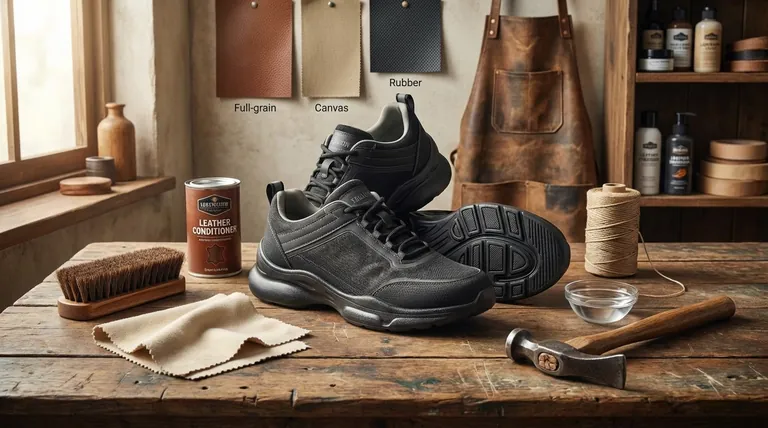
Deconstructing Durability: The Anatomy of a Long-Lasting Sneaker
A sneaker’s durability is a function of its entire construction, from the sole to the upper. Understanding these components allows you to look past marketing and assess the shoe's actual resilience.
The Upper Materials
The material of the upper is the most visible indicator of durability. Leather, especially full-grain leather, is famously resilient and can mold to your foot over time, though it requires occasional care.
Canvas is a lightweight and breathable alternative, common in classic designs. While strong, it is more susceptible to stains and abrasion than leather.
Synthetic materials and engineered knits offer a wide range of properties. High-quality synthetics can mimic leather's durability, while modern knits provide unparalleled comfort and breathability but may offer less structural support and be prone to snagging.
The Foundation: Midsole and Outsole
The midsole provides cushioning and support. Materials like EVA foam are lightweight but can compress and lose their supportive properties over time. Denser materials like polyurethane (PU) last longer but are heavier.
The outsole is the point of contact with the ground and is crucial for longevity. Look for high-density rubber in key wear areas like the heel and forefoot. A thin, soft outsole will wear down quickly, compromising the entire shoe.
Stitching and Adhesives
How the shoe is held together is a critical detail. Stitched construction, especially a "cupsole" where the upper is stitched directly to the rubber sole unit, is significantly more durable than relying on adhesives alone. Check the seams and bonding points for clean, consistent work.
The Maintenance Factor: Designing for Real Life
A durable sneaker is only valuable if you can keep it in good condition. The ease of maintenance is determined by both the materials and the complexity of the design.
Material Cleanability
Different materials require different levels of care. Smooth leather is the easiest to maintain, as most dirt can be wiped away with a damp cloth.
In contrast, materials with texture like suede, nubuck, or canvas are magnets for dirt and absorb stains easily, often requiring specialized cleaners and more effort to keep pristine.
Design and Color
A simple, streamlined design with fewer panels is inherently easier to clean than a complex one with intricate overlays, mesh, and textured inserts that trap dirt.
Similarly, darker colorways are more forgiving and will hide minor scuffs and stains, while all-white or light-colored sneakers demand constant attention to maintain their appearance.
Understanding the Trade-offs
Selecting the right sneaker always involves balancing competing priorities. Being aware of these trade-offs is key to making an informed decision.
Durability vs. Breathability
The most durable materials, like thick leather, are often the least breathable. Lightweight knit or canvas sneakers offer superior airflow and comfort in warm weather but provide less protection and wear out faster.
Simplicity vs. Style
Minimalist, easy-to-clean designs are practical but may not align with current, more complex sneaker trends. The most visually striking and hyped sneakers are often the most difficult to keep looking new.
Upfront Cost vs. Lifetime Value
A cheaper sneaker using lower-grade materials and simple glued construction may seem like a good deal. However, it will likely need to be replaced much sooner than a well-constructed shoe, making the more expensive option a better long-term financial investment.
Making the Right Choice for Your Lifestyle
Your primary use case should be the deciding factor. Analyze your needs objectively to select a sneaker that will serve you well.
- If your primary focus is daily commuting and heavy wear: Prioritize durable outsoles and robust upper materials like smooth leather or high-quality synthetics.
- If your primary focus is ease of maintenance: Choose simple designs in darker colors or materials like coated leather that can be easily wiped clean.
- If your primary focus is weekend style and occasional use: You can afford to choose more delicate materials like suede or complex designs, as they will be subject to less wear and tear.
By evaluating a sneaker's construction, not just its appearance, you ensure your choice is a lasting investment in both style and function.
Summary Table:
| Key Factor | What to Look For | Why It Matters |
|---|---|---|
| Upper Material | Full-grain leather, high-quality synthetics, reinforced canvas. | Determines resistance to wear, scuffs, and overall longevity. |
| Sole Construction | Stitched (cupsole) construction, high-density rubber outsoles. | Provides structural integrity and prevents the sole from separating. |
| Ease of Maintenance | Simple designs, dark colors, wipe-clean materials like smooth leather. | Reduces the effort and time needed to keep sneakers looking new. |
| Lifestyle Match | Align shoe durability and upkeep needs with your daily activities. | Ensures the sneaker's performance meets your real-world demands. |
Ready to Source Durable, High-Quality Sneakers?
As a large-scale manufacturer, 3515 produces a comprehensive range of footwear built for longevity. We specialize in crafting sneakers with durable materials and robust construction for distributors, brand owners, and bulk clients. Our expertise ensures your customers receive products that offer superior long-term value.
We can help you:
- Develop sneakers with material and construction choices that maximize durability.
- Create product lines that balance style with easy maintenance for different consumer lifestyles.
- Achieve consistent quality and reliable supply for your sneaker business.
Let's discuss your production needs. Contact our team today to get started.
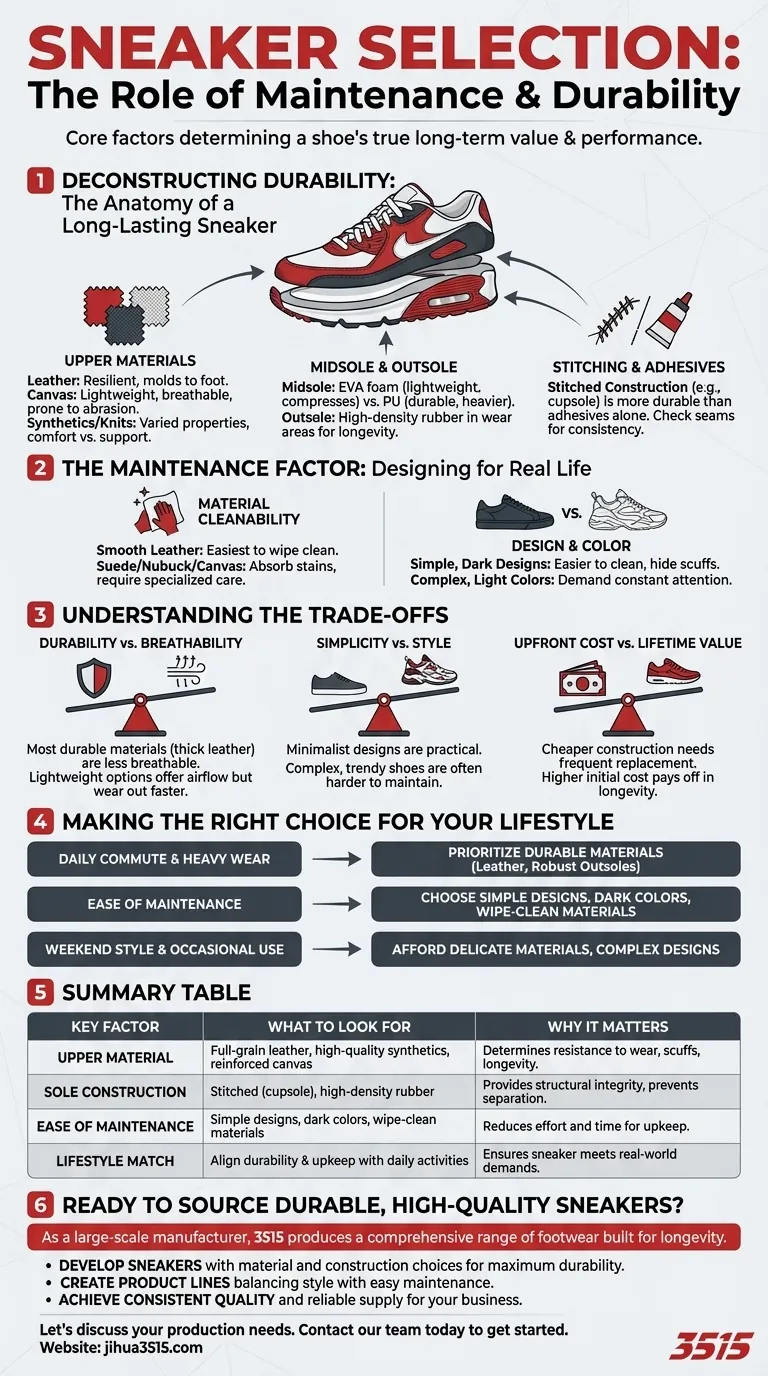
Visual Guide
Related Products
- Wholesale Breathable Athletic Sneakers - Custom Lightweight Cushioned Footwear Manufacturer
- Lightweight Breathable Sneakers with Wet-Traction Grip for Wholesale & Private Label
- Wholesale Lightweight Cushioned Athletic Sneakers for Custom Bulk Production
- Wholesale Smart Casual Sneakers with Dial Closure | Factory Direct Manufacturing
- Durable High-Traction Canvas Sneakers Wholesale & Custom Manufacturing
People Also Ask
- Why are breathable sneakers necessary for tropical commuting? Stay Cool and Dry in High Humidity
- What is the primary role of shoes in physical activities? Protection, Support & Performance
- In what ways do high-performance Athletic Shoes support stability and proprioception? Enhance Your Movement Precision
- Why are athletic shoes recommended for walking? The Key to Joint Protection and Injury Prevention
- What is the importance of grip in athletic footwear? Prevent Lower Limb Injuries with Optimal Slip Resistance