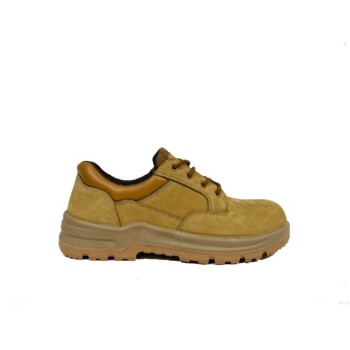
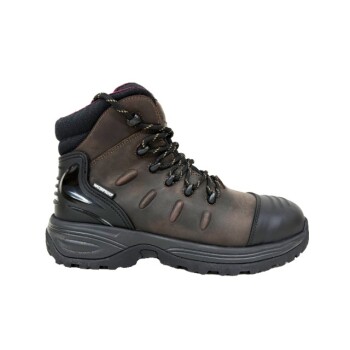
Industrial-grade safety shoes serve as the fundamental physical barrier between an operator and the mechanical hazards present during metal residue cleaning. They function primarily by neutralizing two distinct threats: crushing injuries from falling heavy stock, mitigated by impact-resistant steel toes, and penetration injuries from sharp metal shards, blocked by puncture-resistant midsoles.
Core Takeaway Cleaning operations in metalworking environments expose personnel to a high density of sharp debris and unstable heavy materials. Industrial-grade safety shoes act as critical PPE by combining structural reinforcements to prevent trauma with specialized materials that maintain stability and hygiene in hazardous zones.
Mechanical Defense Mechanisms
Impact Protection from Falling Residue
During the cleaning of cutting machines, heavy raw material remnants are frequently shifted or removed. Impact-resistant steel toes are integrated into these shoes to absorb and deflect the energy of heavy objects that may drop during this manual handling. This feature prevents crushing fractures that are common when clearing large-scale waste from machinery.
Puncture Resistance Against Floor Debris
The floor surrounding metal cutting machinery is inevitably scattered with sharp swarf, shavings, and offcuts. Industrial-grade safety shoes utilize puncture-resistant midsoles—often made of steel or high-strength composites—to create an impenetrable shield underfoot. This prevents sharp metal debris from piercing the sole and injuring the soft tissue of the foot.
Operational Stability and Hygiene
Traction Control on Slick Surfaces
Cleaning operations often involve fluid contaminants, such as cutting oils or coolants, mixed with loose metal dust. Anti-slip outsoles provide essential traction in these complex conditions. By maintaining grip, these shoes prevent falls that could result in the worker landing on the sharp metal residue they are attempting to clean.
Containment of Hazardous Dust
Beyond immediate physical injury, residue cleaning involves managing dust. High-quality upper materials on industrial footwear are designed to be easy to clean and non-retentive. This design minimizes the accumulation of metal dust on the shoe itself, reducing the risk of "secondary resuspension"—where hazardous particles are tracked out of the work zone and released into clean areas.
Understanding the Trade-offs
Weight vs. Operator Fatigue
While steel components offer maximum protection, they add significant weight to the footwear. In high-intensity cleaning operations requiring constant movement, heavy shoes can lead to increased leg fatigue, potentially slowing reaction times. Composite toe caps offer a lighter alternative but must be verified to meet the same impact ratings as steel.
Rigidity vs. Agility
The same puncture-resistant midsoles that protect the foot also make the sole rigid. This reduces the natural flexion of the foot, which can be uncomfortable during tasks that require crouching or kneeling to reach low clearance areas under cutting machines.
Making the Right Choice for Your Goal
When selecting safety footwear for metal cleaning operations, prioritize features based on your specific environment:
- If your primary focus is heavy scrap handling: Prioritize shoes with ASTM-rated steel toes to ensure maximum crush protection against dropped offcuts.
- If your primary focus is machining swarf and shavings: Ensure the footwear features a certified puncture-resistant midsole (steel or Kevlar) to block sharp penetration.
- If your primary focus is dust control and hygiene: Select shoes with smooth, synthetic uppers that can be wiped down easily to prevent cross-contamination.
The most effective safety shoe is one that balances impenetrable physical defense with the mobility required to perform cleaning tasks efficiently.
Summary Table:
| Feature | Protection Mechanism | Operational Benefit |
|---|---|---|
| Steel/Composite Toe | Impact & Crush Resistance | Prevents fractures from falling heavy scrap/offcuts. |
| Puncture-Resistant Midsole | Penetration Shield (Steel/Kevlar) | Blocks sharp metal swarf and shavings from piercing the foot. |
| Anti-Slip Outsole | Enhanced Traction Control | Prevents falls on surfaces slick with cutting oils and coolants. |
| Easy-Clean Uppers | Material Containment | Minimizes hazardous metal dust accumulation and cross-contamination. |
Secure Your Workforce with Industrial-Strength Footwear Solutions
As a leading large-scale manufacturer serving global distributors and brand owners, 3515 specializes in providing high-performance protective gear for the most demanding metalworking environments. Our flagship Safety Shoes series is engineered to meet rigorous international standards, ensuring your team is shielded against crushing, punctures, and slip hazards during critical cleaning and production tasks.
From heavy-duty work and tactical boots to agile training shoes and professional dress footwear, our comprehensive production capabilities allow us to fulfill bulk requirements with precision and reliability. Partner with 3515 to enhance your safety portfolio and offer your clients the ultimate in durability and comfort.
Ready to upgrade your inventory? Contact us today to discuss our wholesale options and custom manufacturing services.
References
- Luqman Hakim, Ali Masykuri. Identification of Workplace Accidents at PT XYZ In Sidoarjo Using The Job Safety Analysis (JSA) Method. DOI: 10.55732/jrt.v10i2.1536
This article is also based on technical information from 3515 Knowledge Base .
Related Products
- Premium Wheat Nubuck Safety Shoes for Bulk Distribution
- Premium Wholesale Waterproof Safety Boots High Performance Protection for Industrial Markets
- Premium Waterproof High-Cut Industrial Safety Boots for Wholesale and Bulk Orders
- Premium KPU Athletic Safety Shoes for Wholesale
- Premium Wholesale Tactical Style Safety Shoes Boots with Quick Lacing
People Also Ask
- What are the primary protective functions of safety shoes with steel toes in the automotive repair industry?
- What type of safety shoe is recommended for workers exposed to heavy machinery? Steel Toe Boots for Ultimate Protection
- What are the main materials used in steel toe safety shoes? A Guide to Protective Footwear Construction
- Why is it mandatory to wear safety shoes with steel toe protection during metal loading? Prevent Crushing Injuries
- What role do steel-toe safety shoes play in high-rise construction? Essential PPE for Vertical Build Security