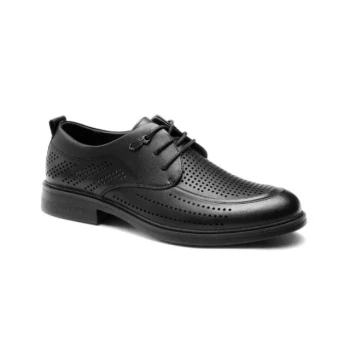
In short, casual shoes typically use leather and suede, while sneakers favor lightweight materials like canvas, mesh, and synthetics. The distinction lies in their intended purpose: leather and suede offer a more structured, classic look suitable for versatile or business-casual settings, whereas the materials in sneakers prioritize flexibility, breathability, and athletic comfort.
The material of a shoe is not just a detail—it is the defining factor that dictates its comfort, durability, style, and appropriate occasion. Understanding these materials moves you from simply choosing a shoe to making a strategic choice for your specific needs.
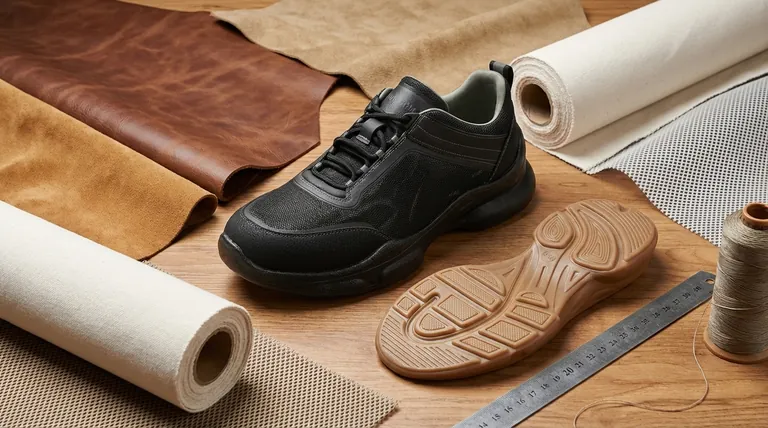
The Anatomy of a Shoe: Upper Materials
The "upper" is everything on the shoe that covers your foot. Its material is the primary driver of the shoe's character, dictating both its appearance and its feel.
Leather: The Classic Standard
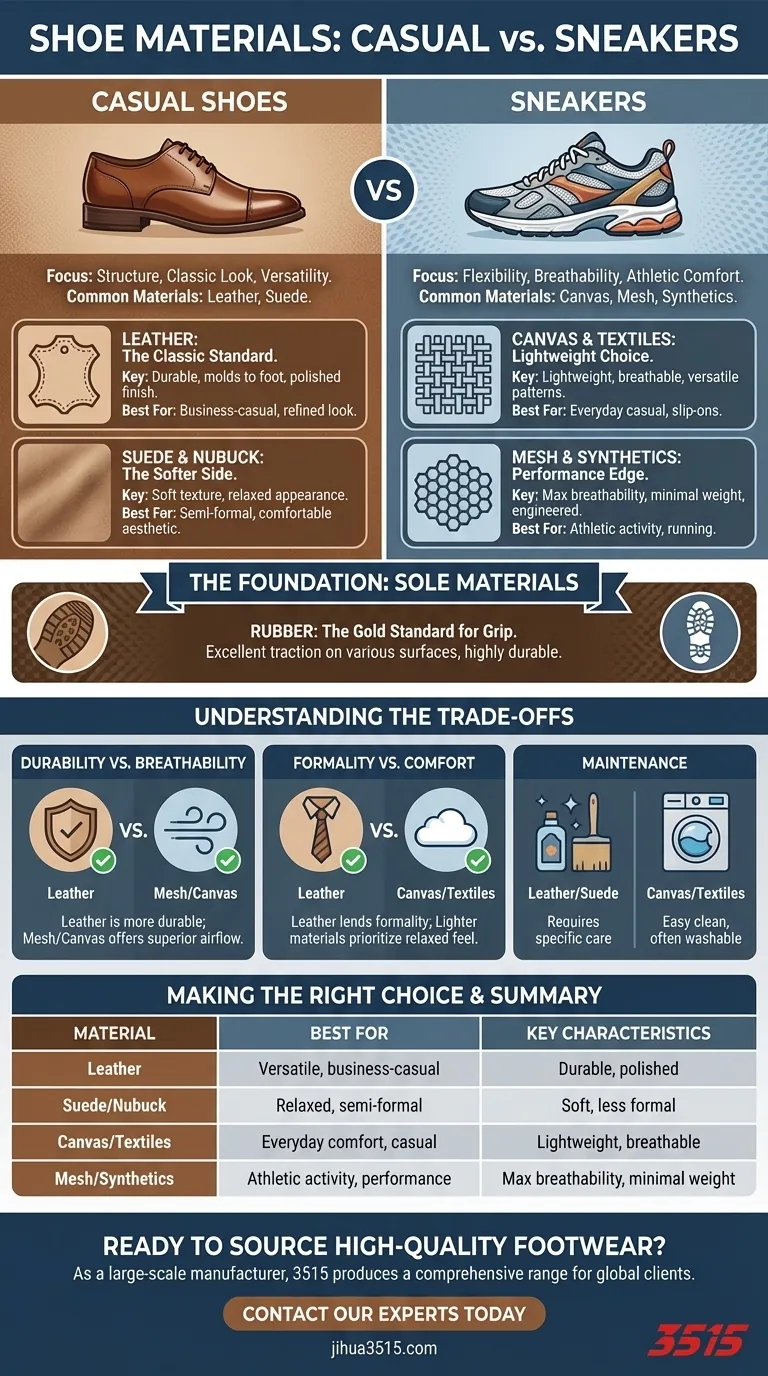
Leather is prized for its exceptional durability and ability to mold to the wearer's foot over time. This makes it a foundational material for many high-quality casual shoes, including dress sneakers and business-casual styles. Its polished finish provides a refined look that easily bridges the gap between casual and semi-formal.
Suede & Nubuck: The Softer Side of Leather
Suede and nubuck are types of leather that have been sanded to create a soft, velvety texture. While still durable, they present a more relaxed and less formal appearance than smooth leather. This makes them a popular choice for shoes that aim for a comfortable, semi-formal aesthetic.
Canvas & Textiles: The Lightweight Choice
Canvas, along with other textiles like cloth and linen, is a hallmark of truly casual footwear. These woven fabrics are lightweight, breathable, and highly versatile, allowing for a vast range of colors and patterns. They are the go-to material for classic, everyday sneakers and slip-ons.
Mesh & Synthetics: The Performance Edge
Primarily found in athletic sneakers, mesh and modern synthetics are engineered for performance. Their key properties are maximum breathability and minimal weight. These materials are designed to keep feet cool and comfortable during physical activity, making them the standard for running and sport-specific shoes.
The Foundation: Sole Materials
A shoe's sole provides the crucial interface between you and the ground, dictating traction, durability, and cushioning.
Rubber: The Gold Standard for Grip
Rubber is the most common material for the soles of both casual shoes and sneakers for one primary reason: excellent traction. Its high-friction properties provide a secure grip on various surfaces, while its durability ensures a long lifespan for the shoe.
Understanding the Trade-offs
Choosing the right material involves balancing competing benefits. No single material is perfect for every situation.
Durability vs. Breathability
Leather is highly durable but can be less breathable than fabric alternatives. Conversely, mesh and canvas offer superior airflow but may show wear and tear more quickly, especially under strenuous use.
Formality vs. Everyday Comfort
The structure and finish of leather lend an air of formality to any shoe. Lighter materials like canvas and textiles prioritize a relaxed feel and are better suited for purely casual environments.
Maintenance Requirements
Leather and suede require specific care, including cleaning and conditioning, to maintain their appearance and longevity. In contrast, many canvas or textile shoes can be easily cleaned, and some are even machine-washable, offering greater convenience.
Making the Right Choice for Your Needs
Your ideal material depends entirely on your primary goal for the footwear.
- If your primary focus is versatility and business-casual wear: Choose shoes made from leather or suede for their durable structure and refined appearance.
- If your primary focus is everyday comfort and relaxed style: Opt for canvas or other lightweight textiles that offer breathability and effortless wear.
- If your primary focus is athletic activity or maximum breathability: Select sneakers with mesh and synthetic uppers designed for performance and airflow.
Ultimately, understanding these core materials empowers you to select shoes that perfectly align with your lifestyle and intent.
Summary Table:
| Material | Best For | Key Characteristics |
|---|---|---|
| Leather | Versatile, business-casual wear | Durable, molds to foot, polished look |
| Suede/Nubuck | Relaxed, semi-formal style | Soft texture, durable, less formal |
| Canvas/Textiles | Everyday comfort, casual style | Lightweight, breathable, versatile |
| Mesh/Synthetics | Athletic activity, maximum breathability | Engineered for performance, minimal weight |
Ready to source high-quality footwear with the perfect materials?
As a large-scale manufacturer, 3515 produces a comprehensive range of footwear for distributors, brand owners, and bulk clients. Our production capabilities encompass all types of shoes and boots, ensuring you get the right combination of materials, durability, and style for your market.
Contact our experts today to discuss your manufacturing needs and get a quote!
Visual Guide
Related Products
- Wholesale Leather Business Casual Shoes with Dial Closure - Manufacturer of Comfort Dress Sneakers
- Wholesale Smart Casual Sneakers with Dial Closure | Factory Direct Manufacturing
- Wholesale Comfortable Business Casual Shoes Custom Manufacturing
- Dial Closure Leather Business Casual Shoes for Wholesale & Private Label
- Wholesale Modern Perforated Leather Derby Shoes with Chunky Sole for Custom Branding
People Also Ask
- What factors should be considered to ensure the right business casual shoe choice? A Guide to Professional Footwear
- What are the key characteristics of the best business casual shoes? Find Versatile, Professional Footwear
- How important is comfort in business casual shoes? The Key to All-Day Professional Performance
- What are some ways to style business casual shoes with skirts? Elevate Your Professional Wardrobe
- What materials are recommended for business casual shoes? Choose the Right Material for a Polished Look