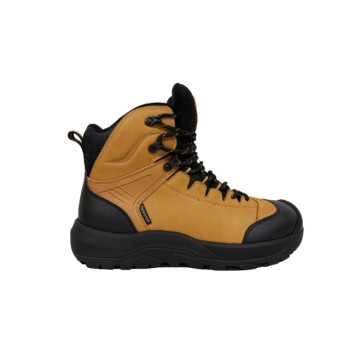
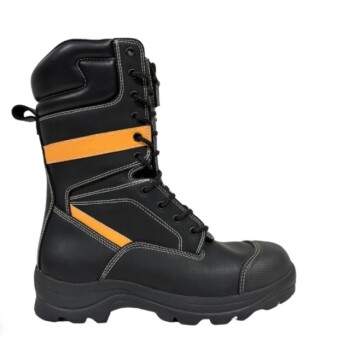
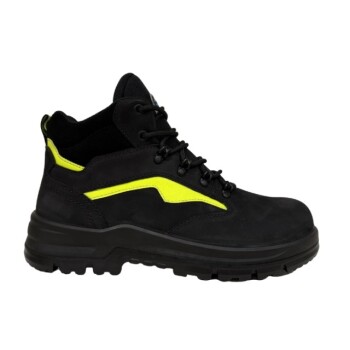
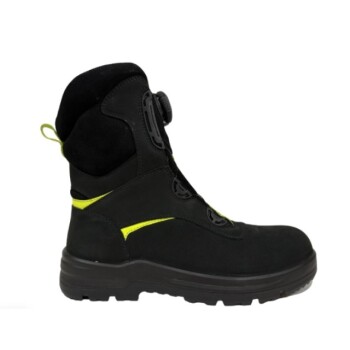
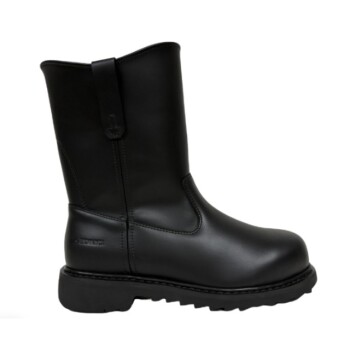
At its core, the 9-inch insulated waterproof boot is suitable for cold, wet environments because it functions as a complete system. It combines three critical elements: a waterproof barrier to block external moisture, thermal insulation to retain heat, and a durable, supportive construction to ensure safety and longevity in harsh conditions.
The effectiveness of a boot in cold, wet conditions is not defined by a single feature, but by its ability to manage two distinct challenges simultaneously: keeping environmental moisture out while allowing internal moisture—sweat—to escape.

The Core Principles of Environmental Protection
To understand why this boot works, you must look beyond the list of features and see how they solve the fundamental problems of staying warm and dry. The design addresses moisture, temperature, and terrain as interconnected challenges.
A Two-Front Defense Against Moisture
The primary threat in a wet environment is water. A boot must fight a battle on two fronts: blocking water from the outside and managing sweat on the inside.
This is achieved through a waterproof, breathable membrane. This technology acts as a barrier with pores small enough to block larger water molecules from rain and slush but large enough to allow smaller water vapor molecules from perspiration to escape.
Without this breathability, your feet would become soaked in their own sweat. Wet socks lose their insulating properties, leading to dangerously cold feet even in a well-insulated boot.
The Science of Thermal Insulation
Insulation's sole purpose is to slow the transfer of heat from your body to the cold environment. It works by trapping a layer of air, one of the most effective natural insulators, within its fibers.
The amount and type of insulation determine the boot's temperature rating. Materials like wool, shearling, or modern synthetic fills provide this thermal protection, creating a crucial barrier that keeps your feet warm.
This feature is a direct defense against cold-related health risks like frostbite.
The Foundation of Durability and Support
A boot's materials and construction provide the physical shield against the elements and the terrain. The 9-inch height, for example, offers crucial ankle support and creates a taller barrier against snow and water ingress.
Materials like denier Cordura offer excellent resistance to abrasion and tears without adding excessive weight. A polyurethane outsole provides a durable, non-slip grip on wet or icy surfaces and resists degradation from oils and chemicals.
Finally, a light and flexible cement construction, where the outsole is glued to the upper, allows for more comfortable movement compared to more rigid construction methods, reducing fatigue over a long day.
Understanding the Trade-offs
No single boot is perfect for every situation. Choosing the right gear requires understanding the inherent compromises in its design.
Waterproofing vs. Breathability
The most common trade-off is between blocking water and releasing sweat vapor. While modern membranes are highly effective, an extremely waterproof boot can sometimes feel less breathable than a non-waterproof alternative, especially during high-exertion work.
Insulation vs. Activity Level
More insulation is not always better. A boot designed for stationary work in extreme cold will cause overheating and excessive sweating if used for physically demanding tasks. It is critical to match the level of insulation to your expected activity level.
Durability vs. Flexibility
The most rugged and durable boots are often the stiffest. While a feature like cement construction promotes flexibility, there is always a balance. A boot built for maximum durability might require a longer break-in period and feel less agile than a lighter-duty alternative.
Making the Right Choice for Your Goal
To select the right boot, you must first define its primary purpose. Your specific environment and activity level are the most important factors.
- If your primary focus is stationary work in extreme cold: Prioritize maximum insulation and a fully waterproof design to prevent heat loss during periods of inactivity.
- If your primary focus is active work in mixed conditions: Seek a balance of moderate insulation, excellent waterproofing, and high breathability to manage sweat and stay comfortable while moving.
- If your primary focus is navigating wet, slippery terrain: Emphasize the outsole design for superior grip and a durable, waterproof construction to keep your feet dry from environmental moisture.
Ultimately, understanding how these components work together empowers you to choose the right tool for the job.
Summary Table:
| Key Feature | Function | Benefit |
|---|---|---|
| Waterproof Membrane | Blocks external water while allowing sweat vapor to escape. | Keeps feet dry from both outside moisture and inside perspiration. |
| Thermal Insulation | Traps body heat using materials like wool or synthetic fills. | Maintains warmth and prevents cold-related risks like frostbite. |
| Durable Construction | Combines a 9-inch height, abrasion-resistant materials, and a grippy outsole. | Provides ankle support, longevity, and slip resistance on harsh terrain. |
Need the right boot for your specific cold, wet environment?
As a large-scale manufacturer, 3515 produces a comprehensive range of durable footwear for distributors, brand owners, and bulk clients. Our production capabilities encompass all types of insulated and waterproof boots designed for maximum protection and comfort.
Contact our experts today to discuss your requirements and discover how we can provide the perfect footwear solution for your needs.
Visual Guide

Related Products
- High Performance Fire-Retardant Waterproof Safety Boots
- Premium Wholesale Waterproof Safety Boots High Performance Protection for Industrial Markets
- Premium Insulated Safety Boots and Shoes for Wholesale & Bulk Orders
- Premium Flame-Retardant Waterproof Safety Boots and Shoes
- Wholesale Premium Waterproof Nubuck Safety Shoes Boots
People Also Ask
- Why are waterproof safety boots recommended for certain work environments? Essential Protection for Wet & Hazardous Jobs
- What roles do 3D vision systems and industrial robots play in the manufacturing of fire safety boots? Smart Automation
- What is the advantage of one-piece construction in waterproof boots? Unbeatable Seamless Protection
- What is the difference between waterproof, water-resistant, and water-repellent boots? Choose the Right Protection for Your Feet
- How can you ensure your feet stay dry during winter walks? A Two-Part Defense System for Total Comfort