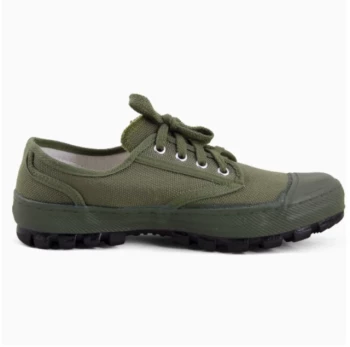
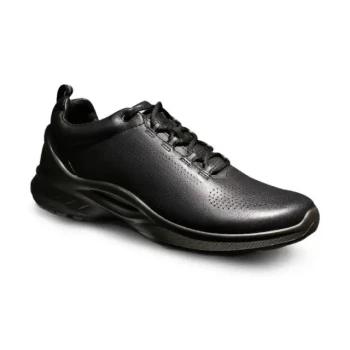
The right walking shoes are a critical investment in your health, providing immediate comfort, preventing a wide range of injuries, and supporting your body’s overall alignment. They achieve this through a combination of proper cushioning, structural support, and a design that complements the natural mechanics of your stride, ensuring your walks are beneficial rather than detrimental.
The core purpose of a proper walking shoe is not simply to cover your foot, but to work in harmony with your body. It acts as the foundational interface between you and the ground, directly influencing everything from foot fatigue to spinal posture.
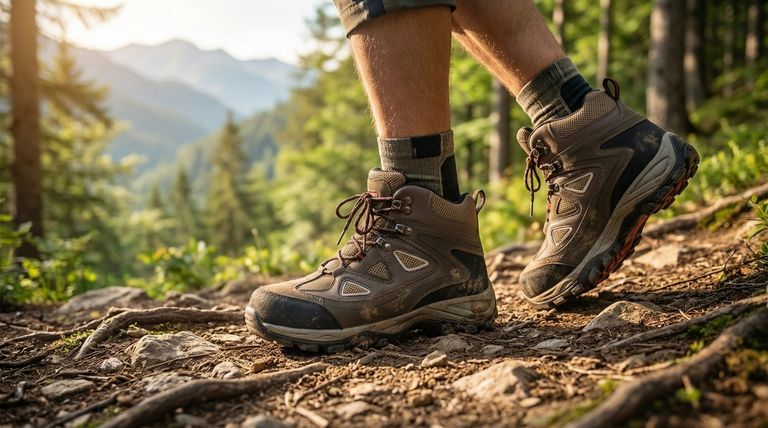
The Foundation of Your Movement: Beyond Basic Comfort
Choosing the right shoe goes far deeper than avoiding blisters. It's about maintaining the complex mechanical system that allows you to move efficiently and without pain.
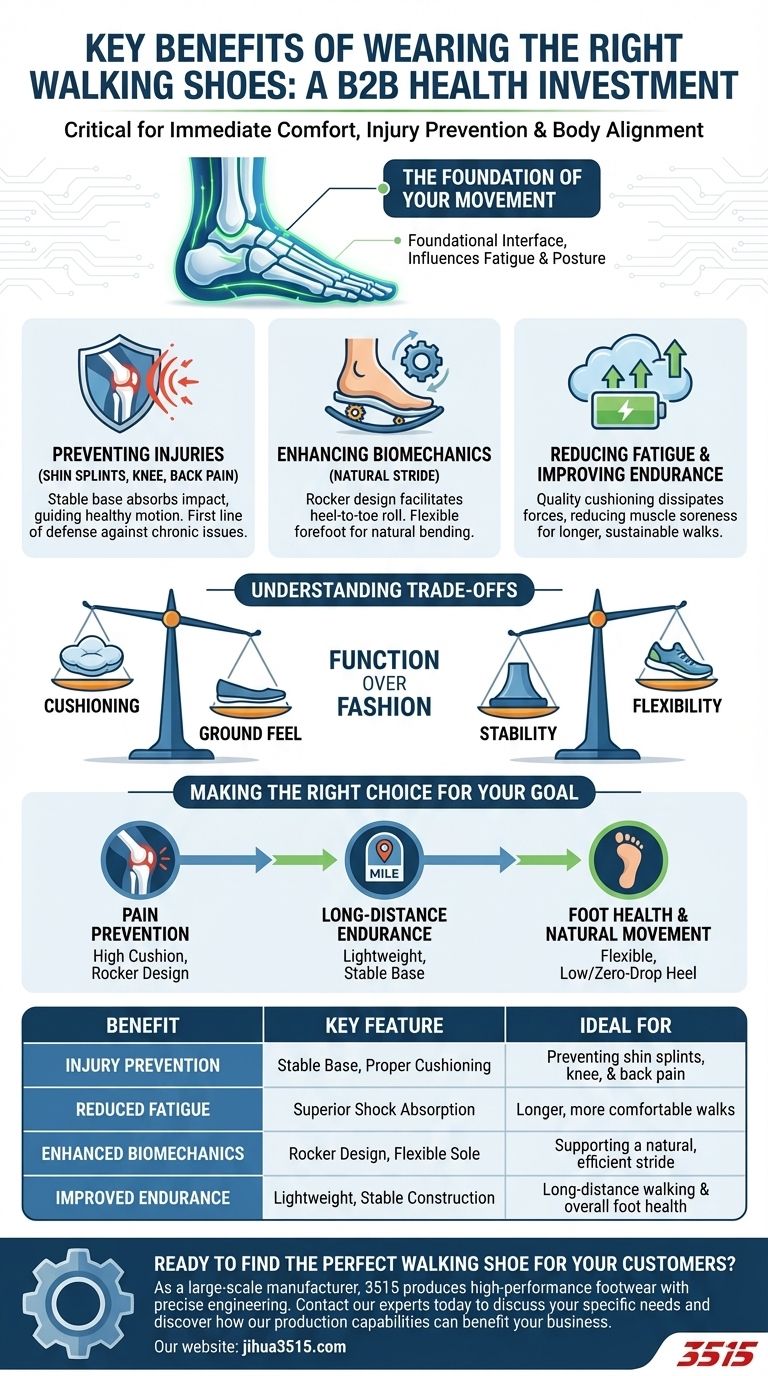
Preventing a Cascade of Injuries
An improper shoe forces your foot into an unnatural position, creating a ripple effect of stress up your body. This can lead to common ailments like shin splints, knee pain, and even hip and lower back problems.
A well-designed walking shoe provides a stable base, absorbing impact and guiding your foot through a healthy range of motion, which is your first line of defense against these chronic issues.
Enhancing Natural Biomechanics
The best walking shoes are engineered to facilitate your foot's natural stride. Features like a subtle "rocker" design help you roll effortlessly from heel to toe.
They should also be flexible at the ball of the foot, allowing your foot to bend where it needs to, rather than fighting against a stiff, unyielding sole.
Reducing Fatigue and Improving Endurance
Quality cushioning is not just about a soft feeling; it's about shock absorption. Every step sends impact forces through your joints.
Proper cushioning dissipates these forces, reducing muscle fatigue and soreness. This allows you to walk longer and more frequently, turning exercise into a sustainable habit rather than a painful chore.
Understanding the Trade-offs
The "perfect" shoe is not a one-size-fits-all solution. You must understand the key engineering compromises to find the right balance for your specific needs.
Cushioning vs. Ground Feel
While plush, thick cushioning provides maximum shock absorption, it can also create instability and disconnect you from the walking surface.
Conversely, some research suggests that thinner, more flexible soles may put less rotational stress on the knees. The choice depends on whether you need to prioritize impact protection or a more natural foot motion.
Stability vs. Flexibility
A shoe with a wide, stable base and a firm heel counter is excellent for preventing your foot from rolling inward or outward (pronation).
However, this added structure can feel rigid. A more flexible shoe offers a greater sense of freedom and movement but provides less corrective support for those who may need it.
Function Over Fashion
It is essential to prioritize the engineering and fit of the shoe over its appearance. The most effective walking shoes are designed for health and performance, which often means they won't be the most stylish option.
Making the Right Choice for Your Goal
To select the right shoe, start by identifying your primary objective. Then, match the shoe’s features to that goal. A shoe should feel comfortable immediately, with no "break-in" period required. Always ensure there is at least a finger's width of space between your longest toe and the end of the shoe.
- If your primary focus is preventing joint pain: Seek a shoe with excellent, high-quality cushioning and a rocker design to minimize impact forces.
- If your primary focus is long-distance endurance: Prioritize a lightweight design with a stable, wide base to reduce fatigue over many miles.
- If your primary focus is overall foot health and natural movement: Consider a more flexible shoe with a low or zero-drop heel to allow your foot to function as it was designed.
Investing in the right walking shoe is a direct investment in your long-term mobility and well-being.
Summary Table:
| Benefit | Key Feature | Ideal For |
|---|---|---|
| Injury Prevention | Stable base, proper cushioning | Preventing shin splints, knee, and back pain |
| Reduced Fatigue | Superior shock absorption | Longer, more comfortable walks |
| Enhanced Biomechanics | Rocker design, flexible sole | Supporting a natural, efficient stride |
| Improved Endurance | Lightweight, stable construction | Long-distance walking and overall foot health |
Ready to find the perfect walking shoe for your customers?
As a large-scale manufacturer, 3515 produces a comprehensive range of high-performance footwear designed with the precise engineering and health-focused features detailed above. We offer the quality, durability, and specialized designs that distributors, brand owners, and bulk clients need to meet the demands of health-conscious consumers.
Contact our experts today to discuss your specific needs and discover how our production capabilities can benefit your business.
Visual Guide
Related Products
- Durable Rubber Sole Outdoor Shoes Wholesale & Custom Manufacturing
- Wholesale Durable Camouflage Canvas Shoes with High-Traction Cleated Rubber Sole
- Premium Suede Sport Safety Shoes for Wholesale & Bulk Orders
- Wholesale Comfortable Business Casual Shoes Custom Manufacturing
- Premium Lightweight Safety Shoes for Wholesale & Bulk Orders
People Also Ask
- What is the function of the sole in outdoor shoes? Find the Perfect Grip and Support
- What role do outdoor shoes and sneakers play in navigating external terrains? Engineered Stability for Every Surface
- How is AI utilized in the design of outdoor and safety footwear? Harnessing Big Data for Market-Driven Shoe Innovation
- Why is durability important when selecting outdoor shoes? A Guide to Safety & Long-Term Value
- What are the key components of outdoor shoes that affect comfort and sturdiness? A Guide to Durable, High-Performance Footwear