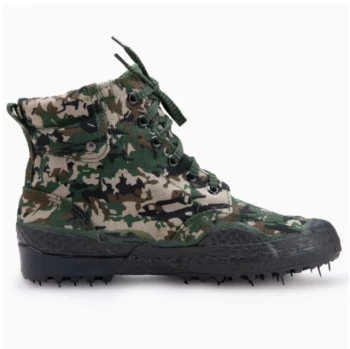
The selection of hunting boots is fundamentally an exercise in matching technical specifications to environmental realities. To ensure safety and performance, you must prioritize functional features such as waterproofing, insulation, durable outsoles, and ankle support. Ignoring these factors in favor of aesthetics or convenience can lead to physical injury and compromised field performance.
The most critical factor in choosing hunting boots is context: your footwear must be rigorously aligned with the specific terrain, weather conditions, and physical demands of your intended activity to prevent injury and ensure endurance.
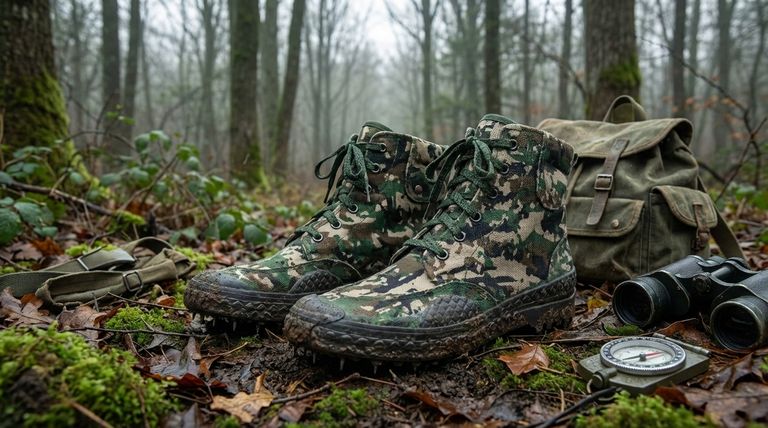
Matching Footwear to the Environment
Terrain Dictates Structure
The ruggedness of the ground you traverse determines the level of support required. For longer distances on uneven terrain, you require boots with higher construction.
High-cut boots provide essential ankle support and protection, significantly reducing the risk of twists and injuries. Conversely, for even ground, lower-cut walking shoes offer greater mobility and flexibility but sacrifice heavy-duty protection.
Weather Protection and Insulation
Your boot must act as a barrier against the elements. Features like waterproofing are non-negotiable for wet conditions to keep feet dry and healthy.
In colder temperatures, insulation and the boot's ability to retain warmth are vital for safety and comfort. However, in milder climates, you must prioritize breathability to regulate temperature and prevent overheating.
Stealth and Weight
For hunters, the auditory impact of movement is a tactical consideration. Look for quiet materials that minimize noise as you move through the field.
Additionally, consider the weight of the boot. Lightweight designs reduce fatigue over long distances, while heavier boots often provide necessary durability for harsh environments.
Critical Fit and Construction Features
The Necessity of Proper Fit
A proper fit is not merely about comfort; it is a safety requirement. You must ensure boots are not too short, as this causes toe trauma during descent.
Always try boots on before purchasing to verify the fit against your specific foot shape. Investing in high-quality socks that complement the boot’s moisture-wicking properties is equally important for blister prevention.
Durability and Grip
The outsole is your primary point of contact with the environment. You need durable, slip-resistant outsoles that provide traction on slick or loose surfaces.
Material quality, such as full-grain leather or specialized synthetics, directly impacts the lifespan of the boot. Regular maintenance and following manufacturer care instructions are required to preserve these materials.
The Break-In Requirement
Never take a new pair of boots directly into the field. You must allow ample break-in time to mold the materials to your feet.
failing to break in boots can lead to debilitating aches, pains, and potential injury miles away from support.
Understanding the Trade-offs
Support vs. Mobility
There is an inherent trade-off between heavy protection and agility. Boots that offer maximum ankle support and warmth often restrict quick movement and add weight to your stride.
If your activity requires enhanced flexibility for rapid movement, you may need to sacrifice some level of structural support. You must decide if stability or speed is your priority.
Waterproofing vs. Breathability
While modern membranes aim to do both, a fully waterproof boot will almost always be less breathable than a non-waterproof counterpart.
If you hunt in hot, dry environments, a heavy waterproof liner may cause excessive sweating, which leads to blisters. You must balance the need for dry feet against the need for ventilation.
Making the Right Choice for Your Goal
Selecting the correct boot is about specific application, not general quality. Use these guidelines to finalize your decision:
- If your primary focus is uneven, rugged terrain: Prioritize high-cut boots with rigid ankle support to prevent injury and retain warmth.
- If your primary focus is speed and mobility on flat ground: Choose lighter walking shoes that offer flexibility and are less obtrusive on the ankle.
- If your primary focus is wet or cold conditions: Select boots with dedicated waterproofing and insulation, ensuring you pair them with moisture-wicking socks.
Your footwear is the foundation of your hunt; choose a boot that solves the problems of your environment before you ever step foot in the field.
Summary Table:
| Feature | Key Consideration | Why It Matters |
|---|---|---|
| Terrain & Support | High-cut vs. low-cut construction | Prevents ankle injuries on uneven ground |
| Weather Protection | Waterproofing and insulation level | Keeps feet dry and warm in harsh conditions |
| Fit & Comfort | Proper sizing and break-in period | Avoids blisters and toe trauma |
| Durability & Grip | Slip-resistant outsole and material quality | Ensures traction and long-term use |
| Stealth & Weight | Quiet materials and overall boot weight | Reduces noise and fatigue during the hunt |
Ready to Equip Your Hunters with the Perfect Boot?
As a large-scale manufacturer, 3515 produces a comprehensive range of durable and performance-driven hunting boots for distributors, brand owners, and bulk clients. Our production capabilities ensure you get the right boot for every terrain and condition.
Partner with us to provide your customers with:
- Superior Durability: Built to withstand the toughest environments.
- Precise Technical Features: Including waterproofing, insulation, and ankle support.
- Reliable Supply: Consistent quality and volume for your business needs.
Let's discuss your specific requirements. Contact our team today to find the perfect hunting boot solution for your market!
Visual Guide

Related Products
- Wholesale Lightweight Tactical Boots Custom Manufacturer for Desert & Combat Use
- High-Traction Suede Tactical Boots Wholesale & Custom Manufacturing
- Durable Leather Tactical Boots Wholesale & Custom Manufacturing for Brands
- Durable Military Combat Boots with Water Drainage for Wholesale & OEM
- Wholesale Waterproof Tactical Boots Custom Suede & High-Traction Soles
People Also Ask
- What are the common types of combat boots? Find the Right Boot for Your Mission
- What specialized protections do tactical boots offer? Maximize Endurance with High-Performance Footwear
- What are the main construction similarities between tactical boots and tactical sneakers? Built for Performance & Durability
- What are the different types of tactical boots available? Find the Right Boot for Your Mission
- How is the compatibility of polymer materials demonstrated in smart footwear? Enhancing Tactical & Training Performance