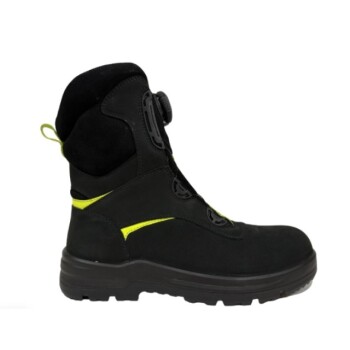
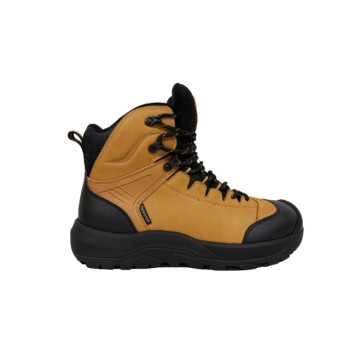
Professional safety boots serve as the primary thermal insulator between a worker's body and asphalt surfaces that can often exceed 50°C during extreme heatwaves. By combining thick sole structures with specialized heat-resistant materials, these boots effectively block direct conductive heat, acting as a critical barrier against both mechanical injury and thermal stress.
High-temperature environments transform footwear from simple protective gear into a vital component of the body's thermal resistance chain. By mitigating conductive heat transfer from the ground up, professional boots significantly reduce the risk of occupational illnesses associated with excessive thermal exposure.
Understanding the Thermal Challenge
Extreme Surface Temperatures
During heatwaves, the ambient air temperature does not reflect the true danger at ground level. Asphalt pavement absorbs solar radiation, frequently causing surface temperatures to rise above 50°C.
The Mechanism of Conductive Heat
The primary threat to workers on road surfaces is conductive heat transfer. Unlike radiant heat from the sun, this occurs through direct contact between the foot and the superheated road. Without a specialized barrier, this heat travels rapidly into the body.
How Professional Boots Block Heat
The Role of Sole Thickness
Professional safety boots utilize a specifically engineered thick sole structure. This physical thickness creates a necessary distance between the foot and the heat source, slowing the rate of thermal transfer.
Heat-Resistant Materials
Beyond thickness, the chemical composition of the sole is critical. Manufacturers employ heat-resistant materials designed to withstand high temperatures without degrading or conducting thermal energy.
Multi-Layered Insulation
Similar to protective gear used in other high-heat industries, such as motorcycling, these boots often employ multi-layered designs. These layers act as a thermal insulation barrier, ensuring that even if the outer layer heats up, the inner layers remain cooler.
The Physiological Impact
The Thermal Resistance Chain
In perceived temperature models, safety boots are identified as a vital link in the "thermal resistance chain." They function as the first line of defense, stopping heat before it can enter the body’s systemic regulation.
Preventing Occupational Illness
Excessive heat accumulation in the feet contributes to overall body heat stress. By reducing this specific intake of heat, professional boots lower the risk of heat-related occupational illnesses and fatigue.
Understanding the Trade-offs
Weight vs. Protection
To achieve high thermal resistance, boots often require thicker soles and denser materials. This can result in heavier footwear, potentially increasing leg fatigue during long shifts involving extensive walking.
Insulation vs. Breathability
The same properties that keep heat out (insulation) can also keep heat in. Highly insulated boots may reduce conductive heat from the road but might trap perspiration, requiring moisture-wicking socks to maintain foot health.
Making the Right Choice for Your Goal
Selecting the correct footwear requires balancing thermal protection with mobility needs.
- If your primary focus is maximum thermal protection: Prioritize boots with the thickest available sole structure and certified heat-resistant ratings to maximize the buffer against conductive heat.
- If your primary focus is reducing fatigue: Look for composite materials that offer heat resistance without the weight penalty of traditional heavy rubber, even if it means a slight reduction in insulation thickness.
Properly selected footwear is not just about compliance; it is a fundamental tool for physiological temperature regulation in extreme environments.
Summary Table:
| Feature | Protection Mechanism | Key Benefit |
|---|---|---|
| Thick Sole Structure | Physical Distance | Slows rate of thermal transfer from ground |
| Heat-Resistant Materials | Chemical Barrier | Prevents sole degradation & thermal conduction |
| Multi-Layered Design | Insulation Barrier | Keeps inner layers cool despite outer heat |
| Thermal Chain Role | Systemic Defense | Reduces risk of heat stress & fatigue |
Partner with 3515 for High-Performance Safety Footwear
As a premier large-scale manufacturer serving global distributors and brand owners, 3515 delivers the manufacturing excellence required to protect workers in extreme environments. Our flagship Safety Shoes series is engineered to withstand high-temperature road surfaces, providing the ultimate thermal barrier without compromising durability.
Our comprehensive production capabilities include:
- Work & Tactical Boots: Built for rugged durability and heat resistance.
- Outdoor & Training Shoes: Balancing protection with lightweight mobility.
- Dress & Formal Shoes: High-quality bulk solutions for professional uniforms.
Whether you need specialized heat-resistant asphalt boots or diverse bulk footwear for your brand, 3515 provides the expertise and scale to meet your requirements. Contact us today to discuss your bulk production needs!
References
- Hankyung Lee, Chaeyeon Yi. Estimation of Perceived Temperature of Road Workers Using Radiation and Meteorological Observation Data. DOI: 10.3390/rs15041065
This article is also based on technical information from 3515 Knowledge Base .
Related Products
- Premium High-Cut Waterproof Safety Boots Manufacturing & Wholesale Solutions
- Premium Insulated Safety Boots and Shoes for Wholesale & Bulk Orders
- Premium Wholesale Waterproof Safety Boots High Performance Protection for Industrial Markets
- High Performance Fire-Retardant Waterproof Safety Boots
- Premium Waterproof High-Cut Industrial Safety Boots for Wholesale and Bulk Orders
People Also Ask
- Which industries commonly use safety boots and why? Protect Your Workforce from Top Hazards
- What are the common hazards present in work environments that safety boots protect against? Find Your Perfect Match
- What future trends are emerging in safety boot technology? Discover Lighter, Smarter, and More Sustainable Footwear
- What are the slip resistance requirements for safety boots? Professional Grip Standards for Poultry Facility Cleaning
- Why is a high-precision 3D motion capture system necessary for measuring joint range of motion? Optimize Safety & Mobility