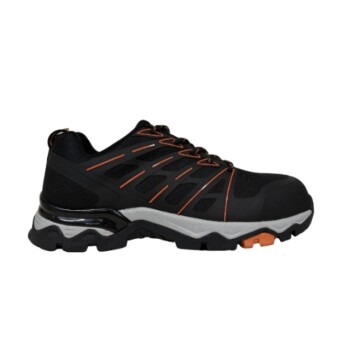
The integration of ergonomic design with industrial safety features provides a dual-layer defense system. Ergonomic elements, such as optimized arch support, minimize physiological fatigue to ensure workers maintain long-term compliance, while industrial protections like puncture resistance create a physical barrier against mechanical injuries and soil-borne pathogens.
The effectiveness of protective footwear relies on the intersection of physical capability and behavioral compliance; by reducing strain through ergonomics, you ensure the consistent application of the safety features required to prevent infection and injury in hazardous soil environments.
The Role of Ergonomics in Compliance and Stability
Reducing Fatigue to Ensure Usage
One of the greatest risks in safety management is non-compliance due to discomfort. Optimized arch support and orthopedic heel designs are critical for dispersing plantar pressure during long shifts.
By minimizing the physical toll of prolonged standing, these features reduce fatigue. This increases the likelihood that workers will consistently wear their protective gear, maintaining the safety barrier throughout the workday.
Enhancing Stability on Uneven Terrain
High-risk soil areas often present rugged or slippery surfaces. Slip-resistant outsoles are engineered to increase the friction coefficient against the ground, providing reliable grip on wet or oily surfaces.
Furthermore, features like secure heel straps and pre-set heel structures improve overall foot stability. This prevents the internal shifting of the foot, significantly reducing the risk of falls or twisted ankles in obstacle-filled environments.
Industrial Defenses Against Environmental Hazards
The Medical Barrier Function
In agricultural and high-risk soil settings, footwear serves as a preventative medical measure. Puncture resistance is essential not just to stop sharp objects, but to maintain the integrity of the barrier against soil-borne diseases.
By preventing the skin from coming into contact with contaminated soil or water, industrial-grade footwear mitigates the risk of infection.
Protection Against Thermal and Moisture Risks
Standard footwear often fails when exposed to extreme conditions found in industrial processing, such as palm oil sterilizer stations.
Professional footwear utilizes heat-resistant materials and waterproof construction. This shields the wearer from high-pressure steam, hot liquid splashes, and thermal burns, maintaining structural integrity where casual footwear would deteriorate.
Standardization as Risk Management
Relying on personal footwear introduces inconsistent safety variables. Standardized professional specifications eliminate this unpredictability.
By mandating footwear with verified slip resistance and impact protection levels, safety managers can enforce a predictable level of user protection. This facilitates more effective risk management across complex industrial sites.
Understanding the Trade-offs
While high-grade protective footwear is essential, it is important to recognize potential limitations regarding weight and specificity.
Protection often comes at the cost of weight. Heavy-duty puncture resistance and impact protection can make footwear heavier than standard options, potentially affecting agility over short sprints or climbing.
Additionally, specialization requires careful selection. Footwear designed for extreme heat and moisture (like in sterilizer stations) may lack the breathability required for dry, hot agricultural fields. Misaligning the feature set with the environment can lead to discomfort, promoting the very non-compliance ergonomics aim to solve.
Making the Right Choice for Your Goal
To maximize health and safety, you must match the specific features of the footwear to the primary hazards of your environment.
- If your primary focus is disease prevention: Prioritize puncture resistance and waterproof integrity to create an impermeable barrier against soil pathogens.
- If your primary focus is worker endurance: Select footwear with orthopedic arch support and pressure-dispersing heel designs to minimize fatigue-induced non-compliance.
- If your primary focus is fall prevention: Look for outsoles with a high friction coefficient and heel straps to ensure stability on slick or uneven terrain.
True safety is achieved when the equipment is robust enough to protect, yet comfortable enough to be worn without hesitation.
Summary Table:
| Feature Category | Specific Benefit | Impact on Worker Safety |
|---|---|---|
| Ergonomic Design | Optimized Arch Support & Heel Design | Reduces fatigue and ensures consistent PPE compliance. |
| Physical Protection | Puncture-Resistant Soles | Prevents mechanical injuries and blocks soil-borne pathogens. |
| Stability Features | Slip-Resistant Outsoles | Enhances grip and stability on uneven or slippery terrain. |
| Environmental Shield | Heat & Waterproof Materials | Protects against thermal burns and high-pressure steam exposure. |
| Standardization | Verified Industry Specs | Eliminates safety variables for predictable risk management. |
Secure Your Workforce with Premium Protective Footwear
Don't compromise on the safety and comfort of your team. As a large-scale manufacturer serving distributors and brand owners, 3515 offers comprehensive production capabilities for all footwear types, anchored by our flagship Safety Shoes series. Our extensive portfolio covers work and tactical boots, outdoor shoes, training shoes, and sneakers, as well as Dress & Formal shoes to meet diverse bulk requirements.
By partnering with 3515, you gain access to industrial-grade durability and ergonomic excellence that ensures long-term worker health and operational efficiency. Contact us today to discuss your specific safety requirements and let us provide the high-performance footwear solutions your business deserves!
References
- Lilian Nantume Wampande, Janna M. Schurer. Podoconiosis instruction at nursing schools in Kenya, Rwanda, and Uganda. DOI: 10.1186/s41182-022-00405-8
This article is also based on technical information from 3515 Knowledge Base .
Related Products
- Premium Suede Sport Safety Shoes for Wholesale & Bulk Orders
- Premium Lightweight Safety Shoes for Wholesale & Bulk Orders
- Wholesale Anti-Smash & Puncture-Proof Safety Shoes Custom Manufacturing for Brands
- Premium KPU Injection Athletic Style Safety Shoes
- Premium Safety Shoes with Rotating Buckle Safety Sneakers
People Also Ask
- What industries have specific OSHA footwear requirements? Ensure Compliance & Protect Your Workforce
- What are the primary functions of professional safety shoes? Maximize Safety in Water Supply Confined Spaces
- What role do specialized safety shoes play in preventing falls? Engineering Stability in Industrial Environments
- How does professional industrial cleaning equipment maintain the performance stability of safety shoes? Pro Maintenance
- How do I choose the best safety shoes? Match Certified Features to Your Hazards