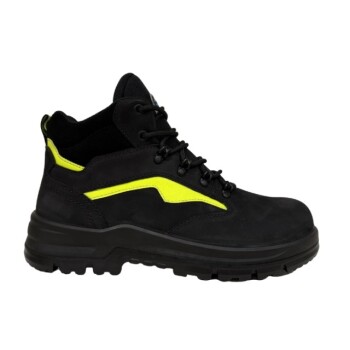
The significance of industrial Safety Shoes in wet processing environments lies in their ability to mechanically counteract the loss of traction caused by fluids like starch mucus. In facilities such as starch factories, these shoes utilize specialized tread patterns and material formulations to increase the coefficient of friction, effectively securing the worker against the floor despite the presence of water and cleaning agents.
By significantly increasing the coefficient of friction between the outsole and wet surfaces, anti-slip safety shoes prevent catastrophic falls and ensure operational continuity in high-risk processing zones.
The Unique Hazards of Starch Processing
Navigating Complex Surface Contaminants
Starch factories present a more complex hazard profile than standard wet environments. The floors are frequently coated not just with water, but with starch mucus.
This substance creates an exceptionally slick layer that standard rubber soles cannot penetrate. Without specialized gear, the risk of a slip is near-certain.
The Compound Effect of Cleaning Fluids
In addition to production byproducts, these environments rely heavily on chemical cleaning fluids. These fluids can interact with starch residues to further reduce surface friction.
Standard industrial footwear often degrades or loses grip when exposed to this specific chemical and organic mixture.
How Anti-Slip Technology Works
Increasing the Coefficient of Friction
The primary technical function of these safety shoes is to maximize the coefficient of friction. This is the physics principle that measures the resistance of motion between two surfaces.
By raising this coefficient, the shoe requires significantly more force to slide, allowing a worker to walk normally on a compromised surface.
Engineered Material Formulations
Manufacturers utilize specific outsole compounds designed for wet adhesion. These materials are formulated to remain soft enough to grip the floor microscopic level, even when wet.
They resist the hardening effects that can occur when standard plastics or rubbers are exposed to industrial fluids.
Strategic Tread Patterns
The geometry of the sole is just as critical as the material. Specialized tread patterns are designed to channel fluids away from the pressure points.
This acts similarly to a car tire on a wet road, preventing "hydroplaning" by ensuring the solid material of the shoe makes contact with the floor.
The Operational Impact on Safety and Efficiency
Preventing Secondary Accidents
While preventing slips is the primary goal, stability offers broader protection. A slip near heavy machinery can lead to mechanical impacts.
By ensuring footing, you prevent the secondary accidents that occur when a worker inadvertently falls into or against processing equipment.
Safeguarding Operational Efficiency
Safety directly correlates to uptime. Accidents in wet working zones inevitably lead to stoppages for investigation and medical response.
Reliable traction ensures that workers can move confidently and efficiently, maintaining the flow of production without interruption.
Understanding the Limitations
The Risk of Tread Clogging
Anti-slip shoes are not maintenance-free. In a starch factory, thick mucus or drying starch can clog the tread patterns.
If the channels are filled with residue, the shoe loses its ability to displace fluid, effectively rendering the anti-slip properties useless until cleaned.
Material Specificity
No single shoe is perfect for every contaminant. A shoe optimized for water might not perform as well on thick starch slime.
It is critical to verify that the "material formulation" of the shoe is tested specifically for the viscosity of fluids found in your specific plant.
Selecting the Right Gear for Your Facility
To maintain a safe and efficient starch factory, you must match the footwear to the specific daily risks of your floor.
- If your primary focus is Injury Prevention: Prioritize shoes with the highest available coefficient of friction rating tested against viscous fluids like starch mucus.
- If your primary focus is Long-Term Durability: Select footwear with material formulations resistant to the specific cleaning fluids used in your sanitation cycles.
investing in the correct anti-slip technology is not merely a compliance step; it is a fundamental requirement for a stable and efficient production line.
Summary Table:
| Feature | Starch Factory Requirement | Technical Solution |
|---|---|---|
| Surface Grip | Counteract starch mucus/slime | High Coefficient of Friction (CoF) outsoles |
| Fluid Control | Prevent hydroplaning on wet floors | Strategic tread patterns for fluid channeling |
| Chemical Resistance | Exposure to industrial cleaning fluids | Specialized rubber/synthetic material formulations |
| Durability | High-viscosity organic contaminants | Clog-resistant designs & easy-clean sole geometry |
| Worker Safety | Prevent falls near heavy machinery | Mechanical traction & stability support |
Secure Your Workforce with Premium Industrial Footwear
As a large-scale manufacturer serving distributors and brand owners, 3515 offers comprehensive production capabilities for all footwear types, anchored by our flagship Safety Shoes series. Our extensive portfolio covers work and tactical boots, outdoor shoes, training shoes, and sneakers, as well as Dress & Formal shoes to meet diverse bulk requirements.
Don't let workplace hazards compromise your operational continuity. Partner with 3515 for high-performance safety solutions tailored to your specific processing environment.
Contact Us Today to Discuss Your Bulk Requirements
References
- Nelci Esterlina Akely, Habel Taime. Analisis Resiko dan Program Keselamatan dan Kesehatan Kerja (K3) Pada Pabrik Sagu CV Makmur Timika. DOI: 10.52421/jurnal-esensi.v2i1.210
This article is also based on technical information from 3515 Knowledge Base .
Related Products
- Advanced KPU Athletic Safety Shoe with Steel Toe Cap Anti-Slip Rotary Lacing System
- Wholesale Anti-Smash & Puncture-Proof Safety Shoes Custom Manufacturing for Brands
- Wholesale Premium Waterproof Nubuck Safety Shoes Boots
- Durable Leather Moc Toe Work Boots for Wholesale & Custom Manufacturing
- Premium Suede Sport Safety Shoes for Wholesale & Bulk Orders
People Also Ask
- What are the key differences between steel toe and composite toe caps? Choose the Right Safety for Your Job
- What impact do steel toe caps have on toe skin health? Prevent Friction and Pressure in Your Safety Shoes
- What are the primary protective functions of safety shoes with steel toes in the automotive repair industry?
- What type of safety shoe is recommended for workers exposed to heavy machinery? Steel Toe Boots for Ultimate Protection
- How does defining specific friction interface models in FEA assist in predicting safety shoe toe cap failure modes?