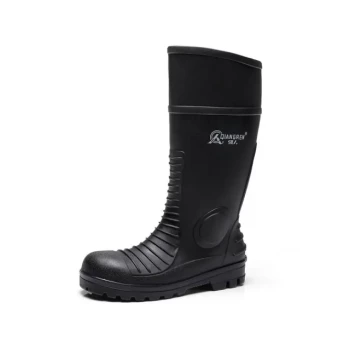
Scientific heel height design is the foundational engineering principle used to manage how the body's weight transfers through the foot. It ensures that gravity is distributed uniformly across the plantar surface, preventing the dangerous concentration of force that occurs with improper footwear geometry.
The primary function of calculated heel height is to prevent focal pressure. By balancing weight distribution, scientifically designed footwear mitigates the risk of localized tissue necrosis and chronic pain.
The Mechanics of Weight Distribution
Achieving Uniform Load
The human foot is a complex structure designed to bear weight, but it functions best when that weight is spread out. Scientific heel design aims to optimize the shoe's structure to match the foot's natural biomechanics.
When the heel height is calibrated correctly, the downward force of gravity is distributed evenly across the entire sole. This prevents any single area, particularly the heel or the ball of the foot, from bearing a disproportionate amount of the load.
The Dynamics of Gait
This distribution is critical not just when standing, but specifically during gait (walking).
As you move, the forces applied to your feet change rapidly. An optimized heel structure ensures that as weight transfers from heel to toe, the pressure remains balanced, maintaining stability and protecting the foot structure.
Consequences of Poor Design
The Dangers of Focal Pressure
When heel height is inappropriate—whether too high or too low—it disrupts the natural equilibrium of the foot.
This imbalance frequently causes the weight to be disproportionately borne by the heel. Instead of a distributed load, the heel bone takes the brunt of the impact with every step.
From Discomfort to Tissue Necrosis
The immediate result of this pressure imbalance is often localized pain or skin damage. However, the long-term consequences are far more severe.
Excessive focal pressure restricts blood flow to specific areas of the foot. Over time, this can lead to local tissue necrosis, a condition where the tissue dies due to lack of circulation and sustained trauma. Scientific design is the primary defense against this pathology.
Understanding the Trade-offs
Standardization vs. Individual Anatomy
While scientific design relies on data to create an "optimal" height, it is based on population averages.
A heel height that provides uniform distribution for the majority may not perfectly suit an individual with high arches or flat feet. Relying solely on a "scientifically standard" shoe without considering personal orthotic needs can still result in pressure points for some users.
The Limits of Static Design
A shoe designed for optimal walking mechanics may not be ideal for prolonged static standing.
Designers must balance the geometry to accommodate movement without compromising stability when stationary. In specialized protective footwear, prioritizing gait efficiency might slightly reduce static comfort, or vice versa.
Evaluating Footwear for Long-Term Health
To ensure you are selecting footwear that effectively protects tissue health, assess your specific requirements:
- If your primary focus is preventing chronic injury: Prioritize footwear with a certified heel structure explicitly designed to distribute gravity uniformly across the plantar surface.
- If your primary focus is managing existing sensitivity: Look for designs that emphasize shock absorption to further reduce the risk of focal pressure on already compromised tissue.
True protective footwear does not just cover the foot; it engineers the way the ground interacts with your body.
Summary Table:
| Feature | Impact on Foot Health | Biomechanical Benefit |
|---|---|---|
| Calibrated Heel Height | Prevents Focal Pressure | Distributes gravity uniformly across the plantar surface |
| Gait Optimization | Maintains Stability | Balances pressure during the heel-to-toe weight transfer |
| Tissue Protection | Prevents Necrosis | Ensures consistent blood flow by avoiding concentrated impact |
| Ergonomic Geometry | Reduces Chronic Pain | Matches shoe structure to the foot's natural biomechanics |
Partner with 3515 for Engineered Footwear Excellence
As a large-scale manufacturer serving global distributors and brand owners, 3515 leverages advanced biomechanical engineering to deliver footwear that prioritizes long-term wearer health. Our flagship Safety Shoes series is built with scientific heel height precision to eliminate focal pressure and ensure maximum durability in demanding environments.
From tactical boots and training sneakers to formal dress shoes, our comprehensive production capabilities provide you with high-quality, bulk footwear solutions that meet rigorous safety standards. Contact us today to discuss how our manufacturing expertise can enhance your product line and protect your customers' foot health.
References
- Yiru Wang, Wen Qin. Perceptions of protective shoes and recommendations from patients with diabetic foot ulcers. DOI: 10.35772/ghm.2023.01029
This article is also based on technical information from 3515 Knowledge Base .
Related Products
- Wholesale Customizable Safety Boots Durable & Protective Footwear Manufacturing
- Premium Suede Sport Safety Shoes for Wholesale & Bulk Orders
- Wholesale Anti-Smash & Puncture-Proof Safety Shoes Custom Manufacturing for Brands
- Premium Safety Shoes with Rotating Buckle Safety Sneakers
- Premium Lightweight Safety Shoes for Wholesale & Bulk Orders
People Also Ask
- Why are industrial safety boots with steel toes necessary for machine operators? Essential Foot Protection for Safety
- What is the history of steel toe work boots? From German Invention to Modern Safety Standard
- What are the different types of steel toe work boots? Choose the Right Boot for Your Job
- What are the pros and cons of steel toe work boots? A Guide to Maximum Protection vs. Comfort
- What common features do safety toe work boots share regardless of style? Essential Protection Explained