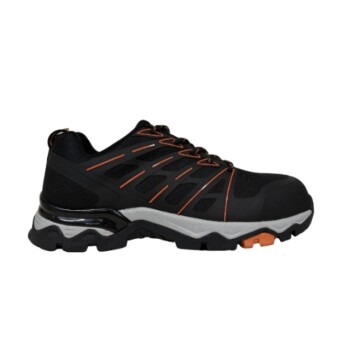
High-definition USB cameras function as the critical data entry point for automated safety monitoring systems. These sensors capture high-resolution imagery of tower personnel, providing the essential raw data that deep learning algorithms require to distinguish specific items like safety shoes from the surrounding environment. Without the clarity provided by HD resolution, the fine details of personal protective equipment (PPE) would be lost, rendering automated detection unreliable.
The efficacy of AI-driven PPE detection relies entirely on the quality of the source imagery; high-definition USB cameras provide the granular visual data necessary for deep learning models to accurately identify safety gear and mitigate on-site risks.
The Foundation of Visual Data Acquisition
Primary Visual Sensors for Personnel Monitoring
USB cameras act as the "eyes" of the safety system, capturing real-time, full-body images of workers. This visual stream is the first step in the safety pipeline, ensuring every individual on-site is documented for analysis.
Facilitating Feature Extraction for Deep Learning
Deep learning models rely on these raw images to recognize patterns, colors, and shapes. High-quality data allows the algorithm to extract "features"—the specific characteristics that define a safety shoe or a helmet versus standard attire.
Why Resolution Matters for Fine-Detail Equipment
Capturing Small-Scale Objects Like Safety Shoes
Items like safety shoes occupy a relatively small portion of a full-body image. High-definition resolution provides the pixel density needed to identify toe caps, tread patterns, or specific safety markings that indicate compliance.
Maintaining Accuracy at Distance
Tower work often involves cameras placed at varying heights and angles. High-definition sensors preserve detail even when the subject is several meters away, preventing the "pixelation" that often leads to false negatives in lower-resolution systems.
Improving Recognition of Reflective Gear
Protective equipment like reflective vests relies on specific light-return patterns. HD cameras capture the contrast and edges of these materials more effectively, allowing the algorithm to distinguish between a vest and a bright background.
Understanding Technical Trade-offs
Bandwidth and Processing Overhead
Higher resolution translates to larger file sizes and increased data throughput. Systems must be designed with sufficient processing power to handle this load without causing latency in safety alerts.
Lighting Sensitivity in Field Environments
While HD sensors provide more detail, they can sometimes struggle in extreme lighting conditions common on outdoor tower sites. Overexposure from direct sunlight or deep shadows can obscure the very gear the system is trying to detect.
Hardware Durability and Mounting
The cameras must be ruggedized for tower environments while maintaining a stable USB connection. Vibrations or lens smudges can degrade the high-definition feed, negatively impacting the performance of the detection algorithm.
Implementing Camera Solutions for Field Safety
Choosing the right hardware depends on the specific environmental and operational constraints of your tower site.
- If your primary focus is maximum detection accuracy: Prioritize cameras with the highest possible resolution and optical clarity to ensure fine details like shoe laces or helmet straps are captured.
- If your primary focus is real-time processing and alerts: Balance high resolution with hardware-side compression to ensure the AI can process the HD feed without significant lag.
- If your primary focus is low-light or variable environments: Select HD sensors with high dynamic range (HDR) capabilities to maintain image quality across varying sun positions and shadows.
By prioritizing high-definition visual input, you provide the necessary foundation for a robust, automated safety environment that protects every worker on-site.
Summary Table:
| Feature | Impact on PPE Detection | Benefit for Tower Sites |
|---|---|---|
| High Resolution | High pixel density for small objects | Accurately identifies safety shoe toe caps and treads |
| Feature Extraction | Captures distinct patterns and colors | Distinguishes compliant gear from standard clothing |
| Distance Performance | Prevents pixelation at long ranges | Maintains monitoring accuracy across heights/angles |
| HDR Capabilities | Manages high contrast and shadows | Ensures visibility in harsh outdoor sunlight environments |
Secure Your Workforce with Industry-Leading Protection
As a large-scale manufacturer serving distributors and brand owners, 3515 offers comprehensive production capabilities for all footwear types, anchored by our flagship Safety Shoes series. Our extensive portfolio covers work and tactical boots, outdoor shoes, training shoes, and sneakers, as well as Dress & Formal shoes to meet diverse bulk requirements.
Whether you are integrating AI-driven monitoring or need reliable footwear for high-risk tower environments, our expert team provides the quality and scale you need. Optimize your safety standards today—contact us now to discuss your bulk manufacturing needs!
References
- Sarah Putri Tauladani, Rachmad Saptono. Implementation YOLOv5 Method for Detecting Safety Equipment Completeness Images on Site Tower (Case Study: PT. Nexwave Surabaya). DOI: 10.33795/jartel.v14i2.5264
This article is also based on technical information from 3515 Knowledge Base .
Related Products
- Premium Suede Sport Safety Shoes for Wholesale & Bulk Orders
- Premium Lightweight Safety Shoes for Wholesale & Bulk Orders
- Wholesale Anti-Smash & Puncture-Proof Safety Shoes Custom Manufacturing for Brands
- Premium KPU Injection Athletic Style Safety Shoes
- Premium Safety Shoes with Rotating Buckle Safety Sneakers
People Also Ask
- What are the primary functions of professional safety shoes? Maximize Safety in Water Supply Confined Spaces
- What industries have specific OSHA footwear requirements? Ensure Compliance & Protect Your Workforce
- What role do specialized safety shoes play in preventing falls? Engineering Stability in Industrial Environments
- What are the main components of safety shoes? A Guide to Protective Footwear Design
- Why are customized foot sensors or professional safety shoes incorporated into biomechanical testing? Precision Insights