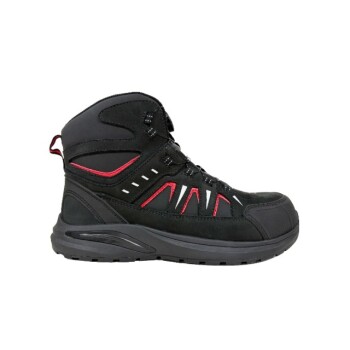
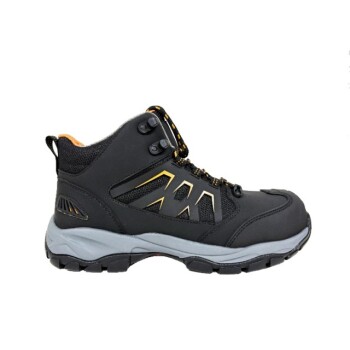
In the production of composite safety toe caps, liquid acrylic resin functions as the structural binder, while the hardener powder serves as the chemical catalyst. The resin flows to fill the voids between reinforcement fibers, acting as a thermoplastic matrix, while the hardener triggers the polymerization reaction that transforms this liquid mixture into a solid, rigid protective shell.
Core Takeaway The interaction between acrylic resin and hardener creates a solid matrix essential for transferring structural loads and protecting reinforcement fibers. Unlike traditional epoxy systems, this acrylic combination allows for low-temperature processing and easier material recycling, offering a balance of mechanical strength and manufacturing sustainability.
The Specific Function of Each Component
The Role of Liquid Acrylic Resin
Acting as the Matrix The primary function of the liquid acrylic resin is to act as a thermoplastic matrix material. It physically permeates the composite structure, filling the empty spaces between the structural fibers.
Binding the Unit Once applied, the resin binds loose fibers together into a single, cohesive unit. Without this binding agent, the fibers would lack the structural integrity required to maintain the toe cap's shape.
Environmental Protection Beyond structure, the resin encapsulates the fibers. This creates a barrier that protects the reinforcement material from environmental degradation, such as moisture or chemical exposure.
The Role of Hardener Powder
Initiating Polymerization The hardener powder is the catalyst for change. When added to the resin, it initiates a polymerization reaction, chemically altering the mixture.
Creating Rigidity This reaction transforms the resin from a malleable liquid state into a solid matrix. This phase change is responsible for establishing the specific rigidity and hardness required to meet safety standards.
Facilitating Load Transfer By solidifying the matrix, the hardener ensures the composite can effectively transfer structural loads. This distributes impact energy across the fibers rather than allowing it to concentrate on a single weak point.
Why Choose Acrylic Over Traditional Epoxies?
Low-Temperature Processing
One of the distinct advantages of this acrylic system is its ability to support low-temperature processing. This reduces the energy consumption and thermal stress typically associated with curing traditional epoxy resins.
Enhanced Recyclability
The acrylic resin acts as a thermoplastic matrix. This characteristic significantly facilitates easier material recycling compared to thermoset epoxies, aligning with modern sustainability goals.
Understanding the Trade-offs
Supply Chain Criticality
High-specification toe caps are classified as critical materials due to their impact on safety certifications. Because the number of suppliers capable of meeting these precise standards is limited, relying on advanced composites requires stable, strategic supply partnerships.
Processing Precision
While the acrylic system offers benefits, the interaction between resin and hardener relies on precise chemistry. Achieving the correct thickness and surface integrity requires strict adherence to industrial-grade standards, leaving little room for error in the mixing or curing process.
Making the Right Choice for Your Goal
When selecting a material system for safety shoe production, consider your specific manufacturing priorities:
- If your primary focus is Sustainability: Prioritize the acrylic resin system for its thermoplastic properties, which facilitate easier recycling compared to traditional epoxies.
- If your primary focus is Energy Efficiency: Utilize this acrylic-hardener combination to take advantage of low-temperature processing capabilities, reducing manufacturing energy costs.
- If your primary focus is Supply Stability: Establish partnership contracts early, as the high value and strict standards of these critical components limit the pool of capable suppliers.
Ultimately, the acrylic resin and hardener system offers a modernized alternative to steel and epoxy, providing a recyclable, energy-efficient path to achieving high-impact protection.
Summary Table:
| Component | Primary Role | Key Function |
|---|---|---|
| Liquid Acrylic Resin | Thermoplastic Matrix | Binds fibers, fills voids, and provides environmental protection. |
| Hardener Powder | Chemical Catalyst | Initiates polymerization and transforms resin into a rigid, solid shell. |
| Combined System | Structural Binder | Enables load transfer, impact resistance, and low-temp processing. |
Partner with 3515 for High-Performance Safety Footwear Solutions
As a large-scale manufacturer serving global distributors and brand owners, 3515 leverages advanced material science to deliver superior protection. Our safety shoes utilize innovative composite technologies—like the acrylic resin systems—to ensure your products meet the highest safety standards while optimizing for sustainability and energy efficiency.
Our Comprehensive Production Capabilities Include:
- Flagship Safety & Work Series: High-impact safety shoes and rugged work boots.
- Tactical & Outdoor: Durable tactical boots and performance outdoor footwear.
- Athletic & Training: Specialized training shoes and versatile sneakers.
- Dress & Formal: Professional footwear designed for bulk requirements.
Take advantage of our industrial-grade manufacturing expertise and secure your supply chain with a trusted partner. Contact us today to discuss your bulk requirements!
References
- Hendrix Noviyanto Firmansyah, Tegar Unggul Pratama. Karakterisasi Mekanik Komposit Carbon Fiber-Eglass Acrylic Sebagai Bahan Struktur Toe Cap pada Safety Shoes. DOI: 10.32497/jrm.v19i3.5931
This article is also based on technical information from 3515 Knowledge Base .
Related Products
- Advanced KPU Athletic Safety Shoe with Steel Toe Cap Anti-Slip Rotary Lacing System
- Wholesale Safety Footwear Manufacturer for Bulk & Custom OEM Orders
- Wholesale Mesh Steel Toe Safety Shoes with Dial Closure Factory Production
- Premium Wheat Nubuck Safety Shoes for Bulk Distribution
- Custom Safety Shoe Manufacturer for Wholesale & OEM Brands
People Also Ask
- What are the key differences between steel toe and composite toe caps? Choose the Right Safety for Your Job
- What impact do steel toe caps have on toe skin health? Prevent Friction and Pressure in Your Safety Shoes
- What are the primary protective functions of safety shoes with steel toes in the automotive repair industry?
- What type of safety shoe is recommended for workers exposed to heavy machinery? Steel Toe Boots for Ultimate Protection
- How does defining specific friction interface models in FEA assist in predicting safety shoe toe cap failure modes?