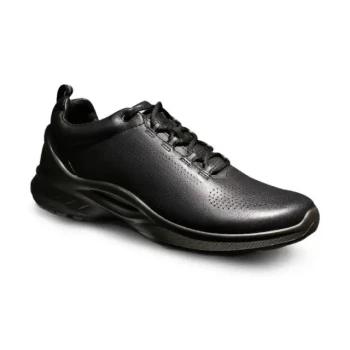
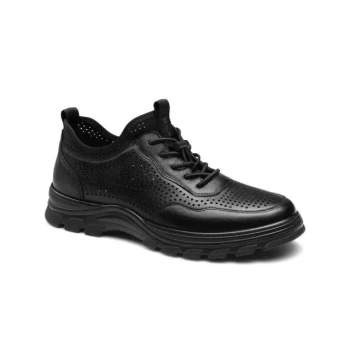
The primary purpose of designing experimental footwear with varying Heel-Toe Drop (HTD) gradients is to mechanically manipulate the body's center of gravity during gait. By utilizing specific configurations—such as Negative Heel Shoes (NHS), Normal Shoes (NS), and Positive Heel Shoes (PHS)—researchers can strictly control variables to observe how sole slope influences walking stability.
By simulating different shifts in the center of gravity, this research identifies how to regulate the forward shift of the center of mass. This analysis provides the essential technical basis for developing specialized ergonomic footwear designed to reduce the risk of falls.
The Biomechanics of Sole Gradients
Defining Heel-Toe Drop
Heel-Toe Drop (HTD) is the measurement of the height difference between the heel and the forefoot of a shoe.
In experimental settings, this is not merely a stylistic choice but a precise mechanical lever. It allows researchers to alter the angle of the foot relative to the ground.
Experimental Configurations
To conduct valid gait studies, researchers typically employ three distinct categories of footwear.
These include Negative Heel Shoes (NHS), where the heel is lower than the toes; Normal Shoes (NS), which represent a standard baseline; and Positive Heel Shoes (PHS), where the heel is elevated.
Regulating Stability and Mass
Simulating Center of Gravity Shifts
The core objective of using these varying gradients is to simulate shifts in the body's center of gravity (CoG).
By forcing the foot into different inclinations, the footwear acts as an external constraint that alters the body's natural balance point.
Controlling Center of Mass Displacement
The most critical outcome of this research is understanding how to regulate the "forward shift" of the center of mass.
Experimental designs reveal how specific slopes can accelerate or decelerate this forward momentum. This insight is crucial for maintaining equilibrium during the walking cycle.
Reducing Fall Risks
The ultimate application of this data is fall prevention.
By identifying which HTD gradients optimize stability, researchers can pinpoint the exact sole geometry required to keep the wearer upright and stable in dynamic environments.
Understanding the Trade-offs
Specificity of the Gradient
While varying HTD offers valuable data, it highlights a critical design trade-off: a slope that benefits one aspect of gait may compromise another.
If the sole slope is not calibrated correctly for the specific user's center of mass, the footwear fails to provide the intended stability.
The Risk of Incorrect Regulation
The research implies that while the correct gradient regulates mass shift effectively, an incorrect gradient can disrupt it.
Therefore, the "technical basis" derived from this research is vital; without it, specialized footwear could inadvertently increase instability rather than reduce it.
Making the Right Choice for Your Goal
Research into HTD gradients bridges the gap between theoretical biomechanics and practical product safety.
- If your primary focus is Gait Research: Use varying HTD gradients (NHS, NS, PHS) to isolate variables and observe how specific foot angles alter the center of gravity.
- If your primary focus is Product Development: Utilize the data regarding the "forward shift of center of mass" to engineer ergonomic soles that specifically target fall prevention.
Correctly leveraging HTD gradients transforms footwear from simple protective gear into an active stability device.
Summary Table:
| Shoe Type | Heel-Toe Drop (HTD) Configuration | Mechanical Impact | Research Application |
|---|---|---|---|
| Negative Heel (NHS) | Heel lower than forefoot | Shifts Center of Gravity (CoG) backward | Simulating balance challenges |
| Normal Shoe (NS) | Standard baseline height | Neutral mechanical lever | Establishing control data |
| Positive Heel (PHS) | Heel higher than forefoot | Shifts Center of Mass (CoM) forward | Analyzing forward momentum |
| Variable Gradient | Precision mechanical slope | Regulates mass displacement | Reducing fall risks in ergonomics |
Partner with 3515 for Advanced Ergonomic Footwear Solutions
As a leading large-scale manufacturer, 3515 provides distributors and brand owners with the technical expertise needed to turn biomechanical research into high-performance products. Whether you are developing specialized Safety Shoes, tactical boots, or ergonomic sneakers, our comprehensive production capabilities ensure precision in every sole gradient.
Our Value to You:
- Flagship Safety Expertise: Industry-leading safety and work footwear construction.
- Diverse Portfolio: From training shoes and sneakers to formal dress shoes.
- Bulk Manufacturing: Reliable, large-scale supply chains for global brands.
Ready to elevate your footwear line with science-backed stability? Contact us today to discuss your production needs!
References
- Xin Li, Yaodong Gu. The Influence of a Shoe’s Heel-Toe Drop on Gait Parameters during the Third Trimester of Pregnancy. DOI: 10.3390/bioengineering9060241
This article is also based on technical information from 3515 Knowledge Base .
Related Products
- Premium Wheat Nubuck Safety Shoes for Bulk Distribution
- Wholesale Mesh Steel Toe Safety Shoes with Dial Closure Factory Production
- Wholesale Durable Camouflage Canvas Shoes with High-Traction Cleated Rubber Sole
- Premium Lightweight Safety Shoes for Wholesale & Bulk Orders
- Durable Rubber Sole Outdoor Shoes Wholesale & Custom Manufacturing
People Also Ask
- What are the primary protective functions of safety shoes with steel toes in the automotive repair industry?
- What type of safety shoe is recommended for workers exposed to heavy machinery? Steel Toe Boots for Ultimate Protection
- What are the main materials used in steel toe safety shoes? A Guide to Protective Footwear Construction
- Why is it mandatory to wear safety shoes with steel toe protection during metal loading? Prevent Crushing Injuries
- What role do steel-toe safety shoes play in high-rise construction? Essential PPE for Vertical Build Security