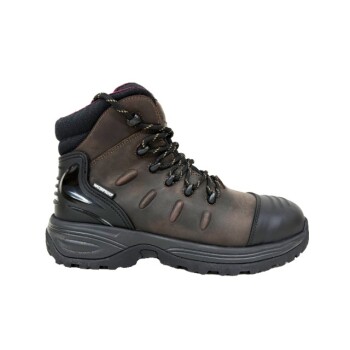
The primary purpose of industrial-grade safety shoes is to function as a critical physical barrier between the worker and complex manufacturing hazards. By shielding the foot against impacts from falling objects, punctures from sharp materials, and erosion from hazardous chemicals, this equipment plays a vital role in preventing work-related disabilities and ensuring long-term occupational health.
Core Takeaway: Industrial safety footwear is not merely a uniform requirement; it is a fundamental control measure designed to mitigate permanent injury. It serves as the last line of defense in heavy material handling and mechanical processing, preserving worker mobility and operational continuity.
The Mechanics of Protection
Impact and Crush Resistance
In environments involving heavy machinery or material handling, the risk of crushing injuries is significant. Industrial-grade shoes mitigate this by utilizing reinforced toe caps.
These components, often made of high-strength steel or advanced composite fibers, absorb and deflect the energy of falling objects. This prevents catastrophic damage to the toes when handling heavy timber, metal components, or semi-finished products.
Puncture Defense
Manufacturing floors are frequently littered with sharp hazards, such as glass shards, pneumatic nails, wood splinters, or metal debris.
To counter this, industrial footwear incorporates puncture-resistant layers within the sole. This barrier ensures that sharp objects cannot penetrate the bottom of the shoe, protecting the sole of the foot from deep lacerations or puncture wounds during movement through production lines.
Chemical and Erosion Barriers
Beyond physical trauma, many industrial environments present chemical risks.
Safety shoes are designed to resist erosion from hazardous chemicals. By preventing corrosive substances from contacting the skin, they protect workers from chemical burns and long-term dermatological issues common in processing plants.
Specific Manufacturing Applications
Metal and Heavy Industry
In metal manufacturing, the floor conditions are notoriously hazardous due to sharp metal debris and heavy raw materials.
Here, the footwear’s anti-slip outsoles and reinforced structure ensure safe movement. They provide stability on potentially slick or uneven surfaces while shielding against the dual threats of heavy impact and sharp floor debris.
Furniture and Assembly
Sectors like furniture manufacturing involve specific risks such as heavy timber and pneumatic fasteners.
In these zones, the combination of impact resistance (for falling wood) and puncture resistance (for scattered nails) is essential. The shoes allow workers to navigate workshop floors confidently, preventing injuries that could otherwise halt production lines.
Understanding the Trade-offs
Protection vs. Toxicity
While physical protection is the priority, the composition of the shoe itself is a critical consideration. Poorly manufactured safety gear can introduce new health risks.
Some footwear production processes rely on heavy metals like mercury and lead, or harmful adhesives. It is crucial to select footwear manufactured with non-toxic materials and low-pollution processes.
Balancing Durability and Health
High-performance protection must not come at the cost of the wearer's systemic health.
Ensuring the footwear is free from harmful substances protects not only the production workers who make the shoes but also the end-users wearing them daily. This approach aligns immediate physical safety with broader environmental and health standards.
Making the Right Choice for Your Environment
To select the most effective safety footwear, you must align the shoe's specific engineering with your facility's primary risks.
- If your primary focus is heavy material handling: Prioritize footwear with high-strength steel or composite toe caps to prevent crushing injuries from timber or metal.
- If your primary focus is assembly or maintenance: Ensure the footwear features rigorous puncture-resistant soles to protect against floor hazards like nails and shards.
- If your primary focus is long-term health and compliance: Verify that the manufacturer uses non-toxic materials, eliminating heavy metals and harmful adhesives from the production process.
Ultimately, equipping workers with the correct industrial footwear is an investment in preventing disability and sustaining a healthy, capable workforce.
Summary Table:
| Feature | Primary Protection | Typical Manufacturing Hazards |
|---|---|---|
| Reinforced Toe Caps | Impact & Crush Resistance | Heavy machinery, falling timber, metal components |
| Puncture-Resistant Soles | Sharp Object Defense | Pneumatic nails, glass shards, metal debris |
| Chemical-Resistant Layers | Erosion & Burn Prevention | Hazardous chemicals, corrosive fluids, solvents |
| Anti-Slip Outsoles | Stability & Traction | Slick surfaces, oil spills, uneven factory floors |
Partner with 3515 for Professional-Grade Manufacturing Safety
As a large-scale manufacturer serving distributors and brand owners worldwide, 3515 offers comprehensive production capabilities for all footwear types. Our flagship Safety Shoes series is engineered to meet the highest industrial standards, providing your workforce with the ultimate defense against crush injuries and punctures.
Our extensive portfolio covers work and tactical boots, outdoor shoes, training shoes, and sneakers, as well as Dress & Formal shoes to meet diverse bulk requirements. We prioritize non-toxic materials and high-durability engineering to ensure long-term health and performance for your end-users.
Ready to elevate your inventory with high-performance safety footwear? Contact us today to discuss your bulk manufacturing needs and discover the 3515 advantage.
References
- James Akinbode, Julianah Funmilayo AKINTUNDE-ADEYI. Health and Safety Issues in Selected Nigerian Medium-Sized Manufacturing Firms. DOI: 10.20473/ijosh.v13i3.2024.334-342
This article is also based on technical information from 3515 Knowledge Base .
Related Products
- Premium Wheat Nubuck Safety Shoes for Bulk Distribution
- Premium Wholesale Waterproof Safety Boots High Performance Protection for Industrial Markets
- Premium Waterproof High-Cut Industrial Safety Boots for Wholesale and Bulk Orders
- Premium KPU Athletic Safety Shoes for Wholesale
- Premium Wholesale Tactical Style Safety Shoes Boots with Quick Lacing
People Also Ask
- What are the primary protective functions of safety shoes with steel toes in the automotive repair industry?
- What type of safety shoe is recommended for workers exposed to heavy machinery? Steel Toe Boots for Ultimate Protection
- What are the main materials used in steel toe safety shoes? A Guide to Protective Footwear Construction
- Why is it mandatory to wear safety shoes with steel toe protection during metal loading? Prevent Crushing Injuries
- What role do steel-toe safety shoes play in high-rise construction? Essential PPE for Vertical Build Security