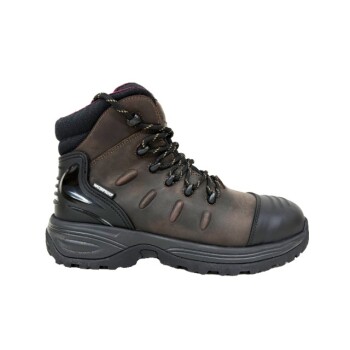
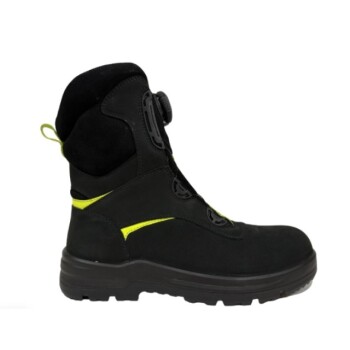
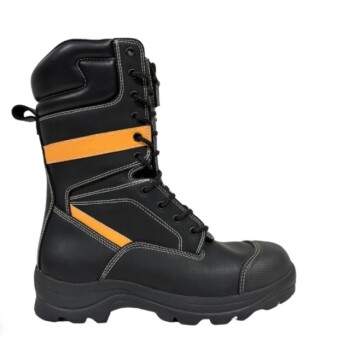
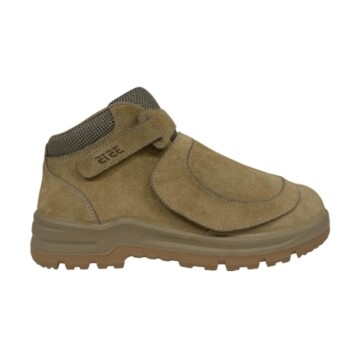
The primary protective function of safety boots during agricultural chemical spraying is to act as an impermeable physical barrier against dermal absorption. These boots isolate the feet from hazardous contaminants, specifically blocking liquid splashes and chemical residues found on the ground or vegetation. By severing the contact path between the pesticide and the skin, they prevent hazardous substances from penetrating the porous skin of the feet and lower limbs.
In agricultural environments, the foot is a high-risk exposure area due to gravity-fed spray drift and direct contact with treated vegetation. The core value of chemical-resistant boots lies in their ability to create a complete seal against these ubiquitous environmental contaminants.
The Mechanics of Chemical Isolation
Creating an Impermeable Shield
The most critical role of these boots is blocking the penetration of hazardous fluids. Unlike standard footwear, chemical-resistant boots are designed to stop pesticide droplets from permeating the material and reaching the skin.
Protecting Against Residual Contact
Exposure is not limited to active spraying; it often occurs while walking through treated areas. Safety boots provide a necessary buffer against chemical residues that settle on ground vegetation and soil.
Defending the Lower Limbs
Effective agricultural boots often feature a high-tube design. This extends protection beyond the foot, shielding the ankles and shins from low-lying spray drift and wet foliage.
Material Composition and Durability
The Role of Non-Porous Materials
To ensure effective isolation, professional safety boots are often constructed from impermeable materials like polyvinyl chloride (PVC) or specialized rubber. These materials are chosen specifically for their ability to repel liquids rather than absorb them.
Corrosion Resistance
Agricultural chemicals can be corrosive and degrade standard footwear quickly. Chemical-resistant boots are engineered to withstand long-term exposure to harsh substances without structural failure.
Durability and Adoption
Because of their robustness and relative ease of use, these boots are among the most widely adopted forms of Personal Protective Equipment (PPE). They offer a passive safety solution that requires little active management by the worker.
Understanding the Trade-offs
Breathability vs. Impermeability
The same materials that lock chemicals out—such as heavy PVC or rubber—also trap heat and moisture inside. Users may experience discomfort or sweating during long shifts, which can lead to other foot health issues if not managed.
Specificity of Protection
Not all safety boots offer chemical resistance. A boot designed for impact protection (steel toe) may utilize porous leather or nylon that absorbs pesticides. It is a critical error to assume general "safety" boots offer chemical "protection."
Degradation Over Time
While durable, no material is impervious forever. Chemical resistance can diminish over time due to wear, UV exposure, and constant chemical contact, requiring regular inspection and replacement.
Making the Right Choice for Your Goal
To select the appropriate footwear, you must match the boot's specifications to the specific hazards of your environment.
- If your primary focus is handling liquid pesticides: Prioritize boots made of PVC or Neoprene with high-tube shafts to ensure maximum impermeability and lower-limb coverage.
- If your primary focus is general farm labor: Look for boots that combine impact protection (for falling objects) with water-resistant leather and moisture-wicking linings for all-day comfort.
True safety is achieved not just by wearing boots, but by ensuring those boots are specifically engineered to neutralize the chemical threats you face.
Summary Table:
| Feature | Primary Protective Function | Benefit for Agricultural Use |
|---|---|---|
| Material Shield | Blocks liquid splashes & spray drift | Prevents dermal absorption of toxins |
| High-Tube Design | Shields ankles and shins | Protects against contact with wet foliage |
| PVC/Rubber Build | Non-porous isolation | Repels hazardous fluids & residues |
| Corrosion Resistance | Resists chemical degradation | Ensures long-term durability in harsh environments |
Partner with 3515 for Professional-Grade Agricultural Footwear
As a large-scale manufacturer serving distributors and brand owners, 3515 offers comprehensive production capabilities for all footwear types, anchored by our flagship Safety Shoes series. Our chemical-resistant boots are engineered to provide an impermeable barrier, ensuring maximum safety for agricultural workers facing hazardous spray environments.
Our extensive portfolio covers work and tactical boots, outdoor shoes, training shoes, and sneakers, as well as Dress & Formal shoes to meet diverse bulk requirements. We provide the scale, durability, and specialized protection your brand needs to succeed.
Ready to elevate your inventory with high-performance protective gear? Contact us today to discuss your wholesale or OEM needs!
References
- Firmanda Rama Wisnu, Rezania Asyfiradayati. The Relationship of Knowledge and the Use Of Personal Protective Equipment Among Farmer Users of Pesticides in Waru Village, Slogohimo District. DOI: 10.30829/contagion.v5i4.17694
This article is also based on technical information from 3515 Knowledge Base .
Related Products
- Puncture-Resistant Velcro Safety Boots for Wholesale & Custom Manufacturing
- Wholesale Durable Safety Boots | Custom Steel Toe & Puncture-Resistant Manufacturing
- Premium Oil Wax Leather Safety Boots for Bulk Purchase
- Premium High-Cut Waterproof Safety Boots Manufacturing & Wholesale Solutions
- Premium Flame-Retardant Waterproof Safety Boots and Shoes
People Also Ask
- Why are industrial safety boots with steel toes necessary for machine operators? Essential Foot Protection for Safety
- What are the characteristics of steel toe safety boots? Maximum Protection, Key Trade-offs
- Is it true that steel toes can cause toes to get cut off? Debunking the Dangerous Myth
- What are the primary safety functions of safety boots with steel-toe designs? Essential Protection for Industry
- What do the symbols M, F, I, and C represent on safety toe boots? Decode ASTM F2413 for Maximum Protection