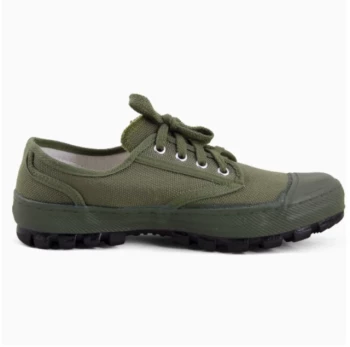
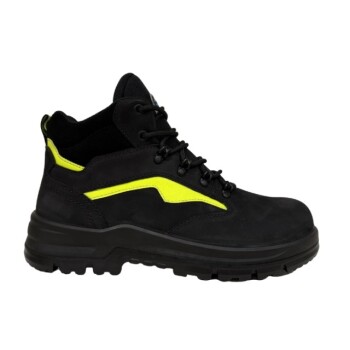
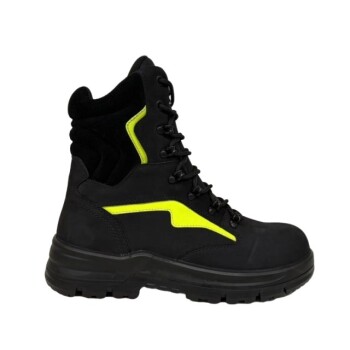
Beyond simple protection, comfort in a woman's work boot is a critical factor for performance, safety, and long-term health. Boots designed for comfort feature proper fit, advanced cushioning, and ergonomic support, which work together to reduce daily fatigue, minimize physical strain, and ultimately enhance productivity on the job.
While safety features are the baseline requirement for any work boot, true effectiveness comes from combining that protection with ergonomic comfort. A comfortable boot allows the wearer to focus on the task at hand, not on their feet.
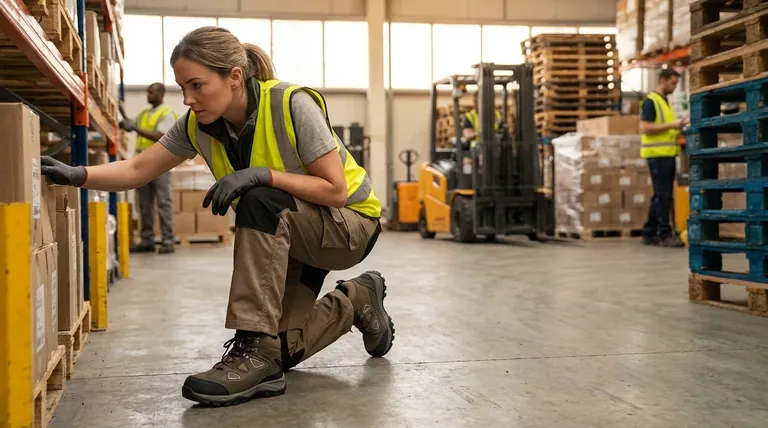
The Anatomy of a Truly Comfortable Boot
A comfortable work boot is more than just a soft insole; it's a carefully engineered system designed to support the foot's natural mechanics through long hours of wear.
The Foundation: Ergonomic Support
Anatomical footbeds are designed to conform to the natural shape of your foot. This provides crucial arch support and stability, distributing your weight evenly.
This ergonomic design prevents the development of painful pressure points, which are a common source of distraction and discomfort during a long shift.
Advanced Cushioning and Shock Absorption
Features like memory foam insoles offer personalized cushioning that molds to your unique foot shape. This drastically reduces the impact of standing or walking on hard surfaces.
The goal is to absorb the shock that would otherwise travel up your legs and into your lower back, preventing generalized fatigue.
Promoting Natural Movement
A boot's design should allow your foot to move and flex naturally. Wide, square toe boxes give your toes room to spread out, reducing pressure and friction.
Similarly, flexible outsoles bend with your foot, enabling a more natural and efficient stride without restricting movement.
Climate Control for All-Day Wear
Comfort is also about managing the environment inside the boot. Moisture-wicking linings pull sweat away from the skin, keeping feet dry and preventing blisters.
Advanced technologies like Gore-Tex provide a waterproof yet breathable barrier, protecting you from external moisture while allowing internal vapor to escape.
The Tangible Benefits of Prioritizing Comfort
Investing in a comfortable boot pays dividends in ways that go far beyond just feeling good. It has a direct impact on your work and overall well-being.
Enhanced Productivity and Focus
When you aren't distracted by aching feet or painful rubbing, you can maintain a higher level of concentration on your work. This leads to fewer errors and greater efficiency.
Reduced Physical Strain
Proper support from a well-designed boot lessens the strain not just on your feet, but on your ankles, knees, and back. This significantly reduces the physical toll of a demanding job.
Improved Safety
A comfortable and secure fit prevents your foot from shifting inside the boot, reducing the risk of a trip, slip, or twisted ankle. Furthermore, a worker who isn't distracted by pain is more aware of their surroundings and potential hazards.
Understanding the Trade-offs
Choosing the right boot always involves balancing different factors. Understanding the trade-offs is key to making an informed decision.
Comfort vs. Maximum Protection
Sometimes, the most heavily armored boots with features like steel plates can be more rigid and less flexible. You must find the right balance between the comfort you need for your tasks and the specific safety requirements of your job site.
The Upfront Investment
High-quality, comfortable work boots often come with a higher price tag. This is due to the advanced materials, ergonomic research, and durable construction. View this not as an expense, but as an investment in your daily performance and long-term health.
The Break-In Period
Even the most comfortable boots, especially those made from high-quality leather, may require a break-in period. Initial stiffness gives way to a personalized fit as the material molds to your foot.
Making the Right Choice for Your Goal
Your specific work environment and tasks should guide your decision.
- If your primary focus is working long hours on hard surfaces: Prioritize boots with superior cushioning like memory foam insoles and shock-absorbing midsoles.
- If your primary focus is navigating uneven terrain or outdoor conditions: Look for boots with flexible outsoles for natural movement and a waterproof, breathable lining.
- If your primary focus is preventing foot strain and fatigue: Choose boots with a comprehensive ergonomic design, including an anatomical footbed and a wide toe box.
Ultimately, choosing a work boot for its comfort is a direct investment in your ability to perform your job safely and effectively every single day.
Summary Table:
| Feature | Key Benefit |
|---|---|
| Ergonomic Support | Reduces strain on feet, ankles, knees, and back |
| Advanced Cushioning | Minimizes impact from hard surfaces, fights fatigue |
| Flexible Design | Promotes natural movement for better stability |
| Climate Control | Keeps feet dry, prevents blisters for all-day comfort |
Ready to equip your team with work boots that combine safety with superior comfort?
As a large-scale manufacturer, 3515 produces a comprehensive range of footwear for distributors, brand owners, and bulk clients. Our production capabilities encompass all types of safety shoes and boots, engineered with the ergonomic features detailed above to enhance worker well-being and productivity.
Contact us today to discuss your specific needs and discover how our comfortable, durable work boots can benefit your business.
Visual Guide

Related Products
- Wholesale Leather Work Boots with Customizable Wedge Sole for Brands
- Durable Leather Work Boots for Wholesale & Custom Manufacturing
- Durable Leather Moc Toe Work Boots for Wholesale & Custom Manufacturing
- Durable Leather Work Boots for Wholesale & Custom OEM Manufacturing
- Durable Moc Toe Wedge Sole Work Boots for Wholesale and Private Label
People Also Ask
- What is the difference between full-grain and top-grain leather? Premium Material Guide for Boot Manufacturers
- What are the advantages of leather as an upper material for work boots? Unmatched Durability & Custom Comfort
- How can leather work boots be protected from environmental elements? A 3-Step Guide to Lasting Durability
- What is the complete process for deep cleaning leather work boots? A Step-by-Step Guide to Preserve Your Investment
- What are the key qualities of leather for work boots? Superior Durability, Breathability & Custom Fit