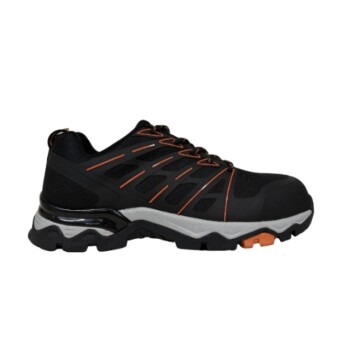
The primary function of protective materials in industrial-grade safety shoes is to serve as a robust physical barrier against crushing forces and extreme pressure. High-strength components, such as steel or composite fibers, are embedded specifically in the toe section to withstand the impact of heavy objects, ensuring the wearer's feet remain shielded in hazardous manufacturing environments.
These materials act as the definitive line of defense against mechanical trauma, utilizing high-tensile strength to resist compression and absorb energy during accidents involving falling molds or heavy machinery.
The Mechanics of Protection
Creating a Physical Barrier
The core purpose of protective materials is to establish a structural shield. In the toe section, these materials prevent the shoe box from collapsing under the weight of falling equipment or rolling objects.
Energy Absorption
Beyond simple resistance, these materials function as an energy-absorption mechanism. When a heavy object strikes the shoe, the protective layer disperses the force, significantly reducing the trauma transferred to the foot.
Structural Reinforcement
Adhesives play a vital supporting role alongside the toe cap. Industrial-grade chemical adhesives bind the leather upper, outsole, and reinforcement components, ensuring the protective materials remain locked in place even under high stress or temperature fluctuations.
Material Composition and Standards
Steel and Composite Options
Manufacturers typically utilize high-strength steel toes or composite fiber layers. Both are engineered to provide maximum resistance against impact and puncture wounds from sharp edges, depending on the specific environment.
Adherence to Safety Standards
Protective materials must meet stringent industrial safety standards. This certification ensures that the footwear can reliably resist specific levels of force, effectively protecting workers from risks like mechanical crushing or electric shocks.
Understanding the Trade-offs
Weight vs. Protection
While steel toes offer superior density and protection, they add significant weight to the footwear. This can lead to increased physical fatigue for workers who must stand or walk for long periods.
Rigidity vs. Comfort
The necessary rigidity of protective materials can compromise flexibility. Without proper ergonomic design or cushioning, the unyielding nature of a safety toe can contribute to musculoskeletal stress during prolonged use.
Making the Right Choice for Your Environment
To select the appropriate safety footwear, you must balance the level of risk with the physical demands placed on the worker.
- If your primary focus is maximum impact resistance: Prioritize shoes with high-strength steel toes to handle heavy molds and mechanical crushing risks.
- If your primary focus is reducing fatigue: Look for composite protective materials, which offer necessary protection with lighter weight, alongside ergonomic arch support.
- If your primary focus is longevity: Ensure the footwear utilizes high-quality industrial adhesives to prevent delamination under changing temperatures and physical pressure.
The most effective safety shoe is one that provides an impenetrable barrier against hazards without hindering the worker's ability to move safely.
Summary Table:
| Feature | Steel Toes | Composite Toes | Purpose/Benefit |
|---|---|---|---|
| Protection Level | Maximum impact resistance | High-level protection | Prevents toe crushing from heavy objects |
| Material Weight | Heavier | Lightweight | Balances safety with reduced worker fatigue |
| Best Used For | Heavy machinery, metalwork | Electrical hazards, security | Tailored for specific work environments |
| Energy Absorption | High | Superior | Disperses force to minimize foot trauma |
| Conductivity | Thermally/Electrically conductive | Non-conductive | Critical for temperature/electrical safety |
Secure Your Workforce with Premium Protective Footwear
As a large-scale manufacturer serving distributors and brand owners, 3515 offers comprehensive production capabilities for all footwear types, anchored by our flagship Safety Shoes series. Our extensive portfolio covers work and tactical boots, outdoor shoes, training shoes, and sneakers, as well as Dress & Formal shoes to meet your diverse bulk requirements.
Partnering with 3515 ensures your products meet the highest industrial safety standards through advanced material engineering and structural reinforcement. Whether you need maximum-strength steel toes for heavy industry or lightweight composite solutions for comfort, we deliver quality at scale.
Contact 3515 today to discuss your bulk manufacturing needs!
References
- Indah Ivanka, Arnida Wahyuni Lubis. Analisis Rasio Profitabilitas Dan Rasio Aktivitas Sebagai Dasar Penilaian Kinerja Keuangan PT. Sepatu Bata Tbk. DOI: 10.55606/jumia.v2i3.3225
This article is also based on technical information from 3515 Knowledge Base .
Related Products
- Premium Suede Sport Safety Shoes for Wholesale & Bulk Orders
- Premium Lightweight Safety Shoes for Wholesale & Bulk Orders
- Wholesale Anti-Smash & Puncture-Proof Safety Shoes Custom Manufacturing for Brands
- Premium KPU Injection Athletic Style Safety Shoes
- Premium Safety Shoes with Rotating Buckle Safety Sneakers
People Also Ask
- What industries have specific OSHA footwear requirements? Ensure Compliance & Protect Your Workforce
- What are the primary functions of professional safety shoes? Maximize Safety in Water Supply Confined Spaces
- What role do specialized safety shoes play in preventing falls? Engineering Stability in Industrial Environments
- What happens during the cutting stage of safety shoes manufacturing? Precision, Process & Quality
- How do gait analysis algorithms ensure accuracy in footwear? Master Step Length Precision for Boots & Sneakers