Breathable industrial dust-proof equipment acts as a critical barrier against the microscopic hazards of mining and construction. It protects against silicosis primarily by utilizing multi-layered melt-blown fabrics treated with electrostatic adsorption. This combination effectively intercepts micron-sized crystalline silica dust—common in ore crushing and tunneling—before it can enter the respiratory system, all while allowing sufficient airflow for the wearer to breathe comfortably.
By balancing high-precision physical filtration with air permeability, this equipment maintains occupational health standards and prevents the inhalation of particles that cause irreversible lung fibrosis and malignancies.
The Science of Filtration and Protection
The core function of this equipment is to separate hazardous particulate matter from the air the worker inhales. This process relies on advanced material science to trap particles that are often invisible to the naked eye.
Multi-Layered Physical Barriers
The primary line of defense consists of high-precision physical filtration layers. These are typically constructed from melt-blown fabrics layered to create a dense, complex web of fibers.
This structure acts like a sieve, physically blocking larger dust particles generated during heavy industrial activities like tunneling or drilling.
The Role of Electrostatic Adsorption
Physical barriers alone often struggle to catch the smallest, most dangerous particles without restricting airflow. To solve this, the melt-blown layers utilize electrostatic adsorption.
This technology charges the fibers, effectively turning them into magnets for dust. It draws in and captures micron-sized crystalline silica, ensuring these tiny particles are trapped in the filter media rather than passing through to the lungs.
Balancing Safety with Usability
Protection is only effective if the equipment is worn consistently. Therefore, the design must reconcile the need for a tight filtration barrier with the physiological need for air.
Ensuring Smooth Breathing
A dense filter can create resistance, making it difficult for workers to breathe during strenuous labor. Advanced breathable equipment addresses this by optimizing the fabric structure to lower breathing resistance.
By ensuring smooth breathing, the equipment reduces user fatigue and discourages workers from removing their gear to catch their breath, maintaining continuous protection.
Meeting Occupational Standards
The equipment is designed to maintain air quality that meets specific occupational health standards. This ensures that the concentration of silica reaching the worker's lungs remains below the threshold known to cause harm.
Preventing Long-Term Health Risks
The ultimate goal of this technology is to prevent the biological damage caused by silica dust accumulation.
Intercepting Silica at the Source
Silica dust generated during ore crushing is extremely abrasive and pervasive. The equipment intercepts this dust at the point of inhalation.
By stopping the dust before it enters the respiratory tract, the equipment prevents the physical scarring of lung tissue.
Avoiding Fibrosis and Malignancy
Silicosis is characterized by lung fibrosis (scarring) and can lead to malignancies (cancer). By physically preventing silica accumulation, the equipment negates the biological trigger for these conditions.
This proactive exclusion of particles is the only way to prevent lung fibrosis in environments where silica is present.
Understanding the Limitations and Trade-offs
While high-precision filtration is effective, it is not a "set and forget" solution. Understanding the operational trade-offs is essential for safety.
Filter Saturation and Airflow
As the electrostatic and physical layers trap more dust, the filter becomes saturated. This accumulation increases breathing resistance over time.
Operators must balance the lifespan of the equipment with the need for consistent airflow, replacing units before breathing becomes labored or protection is compromised.
The Dependency on Fit
The technology described relies entirely on the air passing through the filter, not around it. Even the best melt-blown fabric cannot protect a user if the seal against the face is compromised.
Facial hair, poor sizing, or improper wear can render the high-precision filtration useless by allowing leakage paths for silica dust.
Making the Right Choice for Your Environment
Selecting the right dust-proof equipment requires analyzing specific site hazards and worker needs.
- If your primary focus is high-concentration dust (e.g., tunneling): Prioritize equipment with verified electrostatic adsorption capabilities to capture the high volume of micron-sized particles.
- If your primary focus is long-duration shifts: Prioritize equipment engineered for smooth breathing to ensure compliance and reduce cardiovascular strain on workers.
Effective protection relies on the discipline to use high-precision filtration consistently to stop silica before the first breath is taken.
Summary Table:
| Feature | Protection Mechanism | Industrial Benefit |
|---|---|---|
| Melt-blown Fabric | Multi-layered physical filtration | Blocks larger dust particles and debris |
| Electrostatic Adsorption | Charges fibers to attract particles | Captures micron-sized crystalline silica |
| High-Permeability Design | Optimized fabric structure | Ensures smooth breathing and reduces fatigue |
| Standard Compliance | Regulated air quality filtration | Prevents lung fibrosis and malignancies |
Secure Your Workforce with High-Performance Respiratory Protection
As a large-scale manufacturer serving distributors and brand owners, 3515 offers comprehensive production capabilities for all footwear and safety gear types. Our flagship Safety Shoes series is built to withstand the toughest mining and construction environments, ensuring that your workers are protected from the ground up.
Beyond footwear, our extensive portfolio includes tactical boots, outdoor shoes, and professional safety equipment designed to meet diverse bulk requirements. Partner with 3515 to access industry-leading manufacturing expertise and reliable occupational health solutions.
Ready to upgrade your safety standards? Contact us today to discuss your bulk requirements
References
- Stefania Massari, Alessandro Marinaccio. Occupational Mortality Matrix: A Tool for Epidemiological Assessment of Work-Related Risk Based on Current Data Sources. DOI: 10.3390/ijerph19095652
This article is also based on technical information from 3515 Knowledge Base .
Related Products
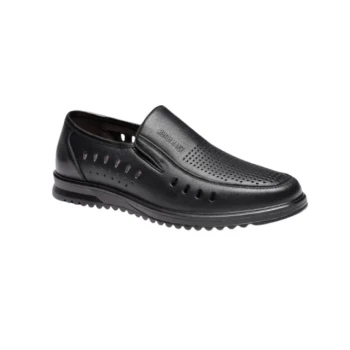
- Wholesale Breathable Perforated Slip-On Loafers Custom Manufacturing
- Custom OEM Training Shoes Wholesale Manufacturer Durable & Breathable
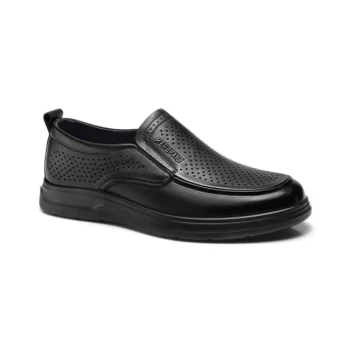
- Men's Breathable Perforated Loafers Wholesale & OEM Manufacturing
- Wholesale Durable & Breathable Training Shoes for Custom Brands
- Lightweight Breathable Sneakers with Wet-Traction Grip for Wholesale & Private Label
People Also Ask
- What are slip-on loafers and how should they be styled for a business casual look?
- What is the primary function of adding naked grain spawn as a substrate in sandwich-structured fungal insoles?
- Why is the inclusion of an IMU necessary for clinical assessment in sensing insoles? Unlock Actionable Gait Data
- How can aftermarket insoles improve shoe fit? The Ultimate Guide to Adjusting Shoe Volume
- What are the primary manufacturing advantages of 3D printing for therapeutic insoles? Revolutionizing Custom Orthotics