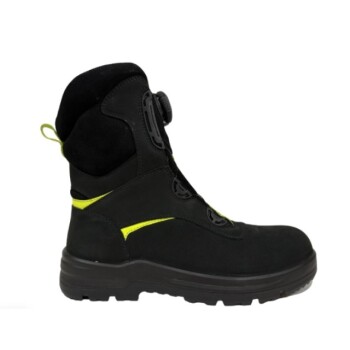
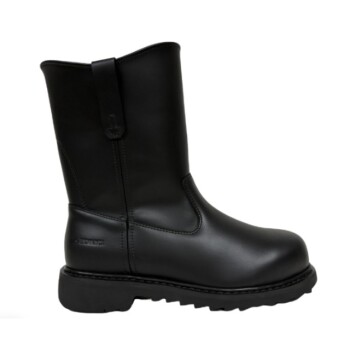
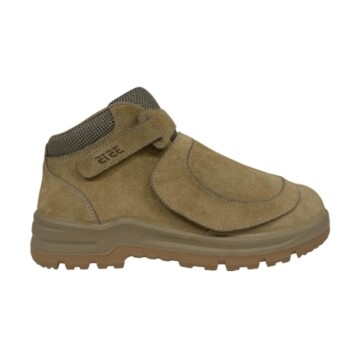
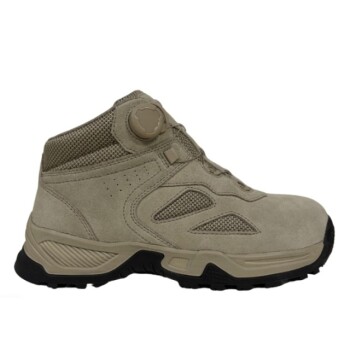
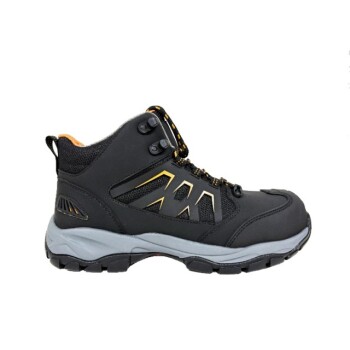
In the unpredictable environment of historical restoration, puncture-resistant midsoles act as the final line of defense against hidden ground hazards. These specialized protective layers, constructed from robust materials like Kevlar or steel, are strictly necessary to prevent sharp debris—such as ancient nails, stone shards, and metal fragments—from penetrating the boot and piercing the foot. Without this barrier, workers remain vulnerable to disabling injuries during critical phases like structural demolition and site cleanup.
While steel toes protect against falling objects, puncture-resistant midsoles safeguard against what lies beneath. In restoration sites littered with sharp, historical debris, this barrier is essential for preventing foot injuries that could halt work and endanger personnel.
The Unique Hazards of Restoration Sites
The Hidden Threat of Debris
Restoration sites are rarely clean surfaces. They are frequently littered with dangerous remnants of the past, including ancient nails and rusted metal fragments.
The Danger of Stone Shards
Beyond metal, the degradation of historical materials creates specific hazards. Sharp stone shards often accumulate on the ground, creating a piercing risk distinct from standard industrial waste.
High-Risk Operational Phases
The necessity for this protection peaks during specific workflows. Structural demolition and site cleanup phases expose the highest volume of sharp objects, making the midsole a non-negotiable safety feature during these times.
Understanding the Trade-offs
Material Differences: Steel vs. Kevlar
The primary reference notes that midsoles are typically made of steel or Kevlar. Steel offers rigid, maximum protection against fine points like nails but can be heavier and less flexible.
Flexibility and Fatigue
Kevlar (or composite) midsoles provide high puncture resistance while remaining lightweight and flexible. This is often preferred for workers who need agility, though it may offer slightly less resistance to extremely thin, needle-like punctures compared to steel.
The Context of Total Safety
A midsole does not function in isolation. While the midsole stops punctures, the supplementary data notes that anti-slip outsoles are required for wet marble surfaces, and steel toes are needed for falling stones. A high-performance boot must integrate all three for comprehensive protection.
Making the Right Choice for Your Project
To select the most effective footwear for your restoration team, consider the specific nature of your site's debris.
- If your primary focus is heavy demolition and cleanup: Prioritize steel midsoles to ensure maximum resistance against rusted nails and jagged metal hidden in deep rubble.
- If your primary focus is climbing scaffolding or general preservation: Opt for Kevlar or composite midsoles to balance puncture protection with the flexibility needed for movement on uneven surfaces.
By equipping your workforce with the correct puncture resistance, you safeguard their health and ensure continuity in these complex, historic environments.
Summary Table:
| Feature | Steel Midsole | Kevlar (Composite) Midsole |
|---|---|---|
| Protection Level | Maximum (best for fine points) | High (meets safety standards) |
| Flexibility | Low / Rigid | High / Flexible |
| Weight | Heavier | Lightweight |
| Best Use Case | Heavy demolition & deep rubble | Scaffolding & high-mobility tasks |
| Corrosion Risk | Possible if casing is breached | None (non-metallic) |
Secure Your Restoration Projects with 3515 Premium Safety Footwear
Protecting your workforce in unpredictable historical restoration environments requires more than just standard gear. As a large-scale manufacturer serving distributors and brand owners, 3515 offers comprehensive production capabilities for all footwear types, anchored by our flagship Safety Shoes series.
Our extensive portfolio—which covers everything from tactical boots and training shoes to sneakers and formal dress shoes—is designed to meet diverse bulk requirements with uncompromised quality. We provide the puncture-resistant technology and anti-slip performance your clients need to navigate complex sites safely.
Partner with a manufacturer that understands industrial safety. Contact us today to discuss your bulk manufacturing needs and see how we can add value to your brand.
References
- Tuğçe Gümürçinler, Özge Akboğa Kale. Evaluation of Occupational Safety in Restoration Projects of Historic Buildings: Risk Analysis with Selected Projects. DOI: 10.3390/buildings13123088
This article is also based on technical information from 3515 Knowledge Base .
Related Products
- Puncture-Resistant Velcro Safety Boots for Wholesale & Custom Manufacturing
- Wholesale Durable Safety Boots | Custom Steel Toe & Puncture-Resistant Manufacturing
- Wholesale Durable Breathable Safety Boots Custom OEM Manufacturer
- Premium High-Cut Waterproof Safety Boots Manufacturing & Wholesale Solutions
- Wholesale Customizable Suede Safety Boots - Puncture-Proof with Velcro Closure
People Also Ask
- Why are industrial safety boots with steel toes necessary for machine operators? Essential Foot Protection for Safety
- What are the characteristics of steel toe safety boots? Maximum Protection, Key Trade-offs
- Is it true that steel toes can cause toes to get cut off? Debunking the Dangerous Myth
- What are the primary safety functions of safety boots with steel-toe designs? Essential Protection for Industry
- What are the different types of safety toe boots available? Choose the Right Protection for Your Job