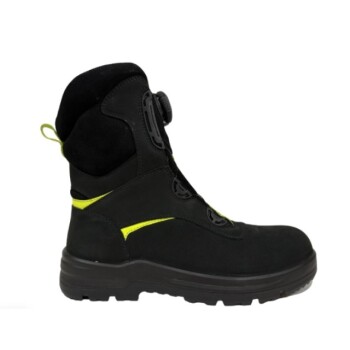
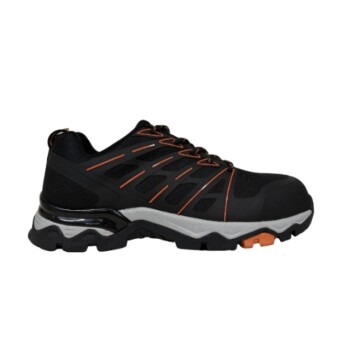
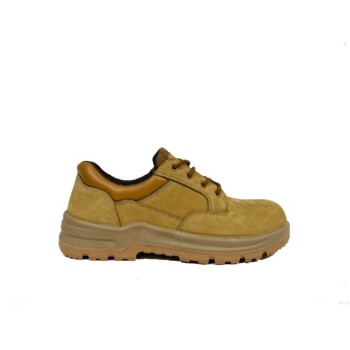
Puncture-resistant technology is the fundamental physical barrier standing between a worker's foot and debilitating injury. In industrial settings like construction, metallurgy, and power generation, this feature is critical because it prevents sharp objects—such as nails, metal shards, or glass—from penetrating the sole and entering the foot.
Puncture-resistant footwear transforms a potentially career-ending accident into a non-event. By integrating high-strength materials like steel or Kevlar into the sole, these shoes neutralize the threat of ground-level debris found in complex, hazardous work environments.
The Reality of Ground-Level Hazards
Inevitable Debris in Complex Sites
Industrial environments are dynamic; debris is a byproduct of productivity. In sectors like construction and metallurgy, the ground is frequently littered with sharp metal shards, nails, and scrap materials that are often difficult to see.
The Limitation of Standard Soles
Standard rubber outsoles, while durable against friction, offer little resistance to vertical penetration force. Without a dedicated puncture-resistant layer, a sharp object can easily pierce through the rubber and the insole, directly injuring the soft tissue of the foot.
Prevention of Secondary Complications
Beyond the immediate trauma of a puncture wound, these injuries pose severe biological risks. As noted in agricultural and industrial contexts, deep wounds can introduce soil-borne pathogens or bacteria into the bloodstream, leading to serious infections.
Engineering the Barrier
High-Strength Steel Plates
The traditional method for achieving puncture resistance involves embedding a steel plate within the midsole. This provides a robust, proven shield against nails and sharp scrap metal, offering maximum protection against vertical perforation.
Non-Metallic Composite Layers
Modern advancements utilize high-strength synthetic fibers, such as Kevlar. These non-metallic layers offer similar puncture resistance but are often lighter and more flexible, providing a comprehensive barrier without the rigidity of steel.
The Role of S3 Standards
For environments requiring maximum security, S3-rated safety shoes are the industry standard. These specific models guarantee an impenetrable midsole alongside other protective features, ensuring the footwear serves as a complete personal protective equipment (PPE) system.
Understanding the Trade-offs
Weight and Fatigue
Steel plates add significant weight to the footwear. In roles requiring extensive walking or climbing, this additional weight can lead to increased leg fatigue over a long shift, potentially impacting wearer agility.
Flexibility Limitations
Rigid puncture-resistant layers can stiffen the sole. While this is excellent for stability on uneven ground, it may reduce the natural rolling motion of the foot, which can be uncomfortable during tasks that require crouching or kneeling.
Thermal Conductivity
Steel plates conduct heat and cold. In extreme temperature environments, a steel midsole may hasten the cooling or heating of the foot, whereas composite (non-metallic) layers generally offer better thermal insulation.
Making the Right Choice for Your Goal
Selecting the correct puncture-resistant footwear depends on balancing the specific hazards of the site with the physical demands placed on the worker.
- If your primary focus is maximum penetration protection: Prioritize S3-rated footwear with steel midsoles, particularly for demolition or heavy construction sites where nail hazards are extreme.
- If your primary focus is agility and comfort: Choose footwear with non-metallic (Kevlar/composite) puncture layers to reduce weight and improve flexibility while maintaining safety compliance.
- If your primary focus is electrical safety: Ensure you select non-metallic puncture-resistant shoes to avoid conductivity issues while protecting against ground hazards.
True safety is achieved when the protective equipment creates a standardized boundary that compensates for environmental hazards and human error alike.
Summary Table:
| Feature | Steel Midsole | Composite (Kevlar) Midsole |
|---|---|---|
| Puncture Resistance | Maximum / Rigid | High / Flexible |
| Weight | Heavier | Lightweight |
| Thermal Conductivity | High (Conducts heat/cold) | Low (Thermal insulator) |
| Flexibility | Low | High |
| Best For | Heavy Construction & Demolition | Agility & Electrical Safety |
Secure Your Workforce with 3515’s Advanced Safety Footwear
As a premier large-scale manufacturer serving global distributors and brand owners, 3515 delivers high-performance puncture-resistant solutions tailored to high-risk industrial needs. Our flagship Safety Shoes series integrates robust steel and flexible Kevlar technologies to ensure maximum protection without compromising comfort.
Beyond safety boots, our extensive portfolio includes tactical boots, outdoor shoes, training sneakers, and formal dress shoes, offering comprehensive production capabilities to meet your bulk requirements. Partner with a manufacturer that prioritizes durability and compliance—contact us today to discuss your bulk order and custom footwear needs!
References
- Tyrone T. Lin, Shu-Yen Hsu. Analysis of the Effects of Perceived Value, Price Sensitivity, Word-of-Mouth, and Customer Satisfaction on Repurchase Intentions of Safety Shoes under the Consideration of Sustainability. DOI: 10.3390/su142416546
This article is also based on technical information from 3515 Knowledge Base .
Related Products
- Wholesale Durable Safety Boots | Custom Steel Toe & Puncture-Resistant Manufacturing
- Wholesale Anti-Smash & Puncture-Proof Safety Shoes Custom Manufacturing for Brands
- Athletic Safety Shoes with Dial Closure & Steel Toe for Wholesale & Custom Manufacturing
- Wholesale Durable Breathable Safety Boots Custom OEM Manufacturer
- Premium High-Cut Waterproof Safety Boots Manufacturing & Wholesale Solutions
People Also Ask
- What are the risks of using ordinary rubber boots in forest clearing? Why professional safety boots are essential
- What are the key features of safety boots? Essential Protection for Hazardous Workplaces
- What are the consequences of not wearing safety boots? Protect Your Finances and Career
- What materials are commonly used for outsoles in safety boots? A Guide to Durability, Grip, and Comfort
- How should safety boots be cleaned to avoid damage? A Gentle Guide to Preserve Your Boots