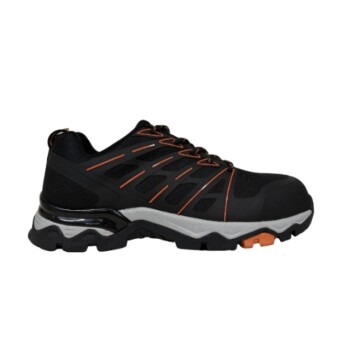
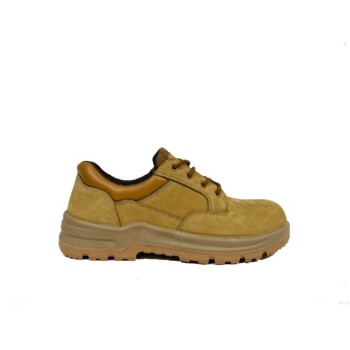
Pressure insoles integrated into safety shoes function as mobile, high-precision sensing systems designed to capture Ground Reaction Force (GRF) and monitor plantar pressure distribution in real-time. By embedding sensor arrays directly into the footwear, these devices allow for the continuous segmentation of gait cycles—specifically identifying critical moments like the heel strike—while a worker moves naturally through their environment.
Traditional biomechanics labs rely on fixed equipment that limits where a subject can walk. Pressure insoles eliminate this constraint, allowing you to gather ergonomic data that reflects the actual physical demands of industrial production paths.
The Mechanics of Measurement
Capturing Dynamic Load
These insoles utilize integrated array sensors to map how pressure is distributed across the foot. As the user moves, the sensors detect the shifting load in real-time, providing a dynamic picture of how forces are applied to the ground.
Segmentation of the Gait Cycle
A primary function of the insole is to break down walking patterns into distinct phases. By pinpointing specific events, such as the heel strike, the system creates a structured timeline of the worker's movement for analysis.
Bridging the Gap Between Lab and Reality
Moving Beyond Fixed Force Plates
In a laboratory setting, "force plates" are bolted to the floor, requiring the subject to step on a specific target. This often leads to artificial or modified walking patterns.
Enabling Unrestricted Industrial Assessment
Integrated insoles allow workers to move freely along their actual production routes. This freedom ensures that the ergonomic evaluation data captured is authentic and representative of real-world working conditions, rather than a simulation.
From Raw Data to Biomechanical Insight
Fueling Musculoskeletal Models
The data collected—specifically the GRF and gait timings—serves as a critical input for advanced computational models. These models use the raw sensor data to calculate internal physical stressors, such as joint torque and compression loads on the body.
Quantifying Injury and Recovery
Beyond standard ergonomics, this technology is used to objectively measure movement restrictions caused by physical injuries. It helps safety professionals and clinicians evaluate the effectiveness of interventions, such as rhythmic tactile cues, intended to improve gait.
Understanding the Trade-offs
Data Processing Requirements
While the insoles capture the necessary raw data, they do not inherently output "safety" scores. The data must be fed into musculoskeletal models to derive meaningful insights about joint stress and injury risk. The value of the hardware is heavily dependent on the quality of the software modeling used to interpret the signals.
Making the Right Choice for Your Goal
To determine if this technology fits your assessment needs, consider your specific objectives:
- If your primary focus is Realistic Ergonomic Assessment: Choose integrated insoles to capture authentic data on actual production paths without altering the worker's natural movement.
- If your primary focus is Injury Rehabilitation: Utilize the gait rhythm tracking to objectively quantify movement restrictions and monitor the progress of physical interventions.
By shifting measurement from the floor to the foot, you transform safety assessment from a static snapshot into a dynamic, continuous evaluation of worker health.
Summary Table:
| Feature | Laboratory Force Plates | Integrated Pressure Insoles |
|---|---|---|
| Mobility | Fixed to floor; restricted movement | Mobile; unrestricted industrial paths |
| Data Capture | Single step or specific target | Continuous real-time gait monitoring |
| Realism | Artificial/modified walking patterns | Authentic natural movement data |
| Core Metrics | Ground Reaction Force (GRF) | GRF, Plantar Pressure, Gait Phases |
| Primary Use | Static biomechanical research | Dynamic industrial ergonomic assessment |
Optimize Worker Safety with Advanced Biomechanical Insights
As a large-scale manufacturer serving distributors and brand owners, 3515 offers comprehensive production capabilities for all footwear types, anchored by our flagship Safety Shoes series. Our extensive portfolio covers work and tactical boots, outdoor shoes, training shoes, and sneakers, as well as Dress & Formal shoes to meet diverse bulk requirements.
We provide the high-quality footwear foundation necessary for integrating cutting-edge sensing technologies like pressure insoles, helping you deliver superior ergonomic solutions to your clients. Partner with 3515 to access scalable manufacturing, industry-leading durability, and specialized designs tailored for industrial health.
Ready to upgrade your footwear line? Contact us today to discuss your bulk production needs!
References
- Susanne Niehaus, Sascha Wischniewski. Human-centred design of robotic systems and exoskeletons using digital human models within the research project SOPHIA. DOI: 10.1007/s41449-022-00335-5
This article is also based on technical information from 3515 Knowledge Base .
Related Products
- Premium KPU Injection Athletic Style Safety Shoes
- Premium Suede Sport Safety Shoes for Wholesale & Bulk Orders
- Premium KPU Athletic Safety Shoes for Wholesale
- Premium Safety Shoes with Rotating Buckle Safety Sneakers
- Premium Lightweight Safety Shoes for Wholesale & Bulk Orders
People Also Ask
- How do athletic-style safety shoes balance flexibility and safety? Perfect Agility for Active Professionals
- What is a recommended alternative to using hairspray for slip resistance? Ditch Unreliable Hacks for Real Safety
- What workplace hazards indicate the need for safety shoes? Identify risks to protect your workforce.
- Why should ergonomics and comfort be prioritized when selecting safety shoes? Boost Compliance & Worker Health
- What role does blockchain play in footwear supply chain transparency? Enhance Safety Shoe Traceability and Verification