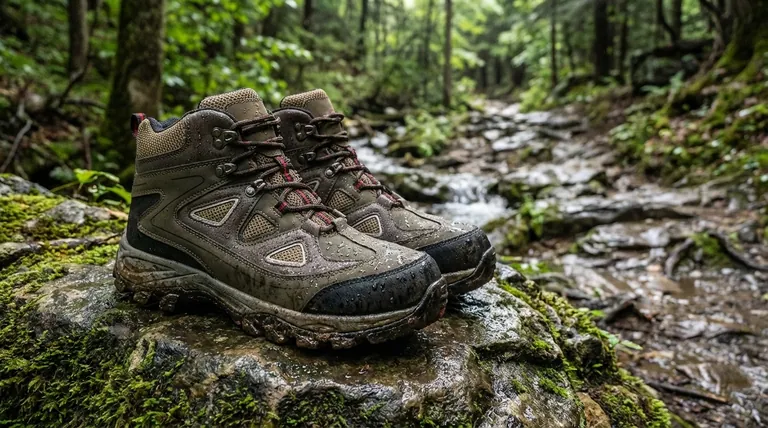
With proper care, the lifespan of waterproof boots varies dramatically based on their initial quality. A high-quality pair can last for a decade or more, while a cheaper pair may fail to remain waterproof after just one or two years, regardless of how well you maintain them.
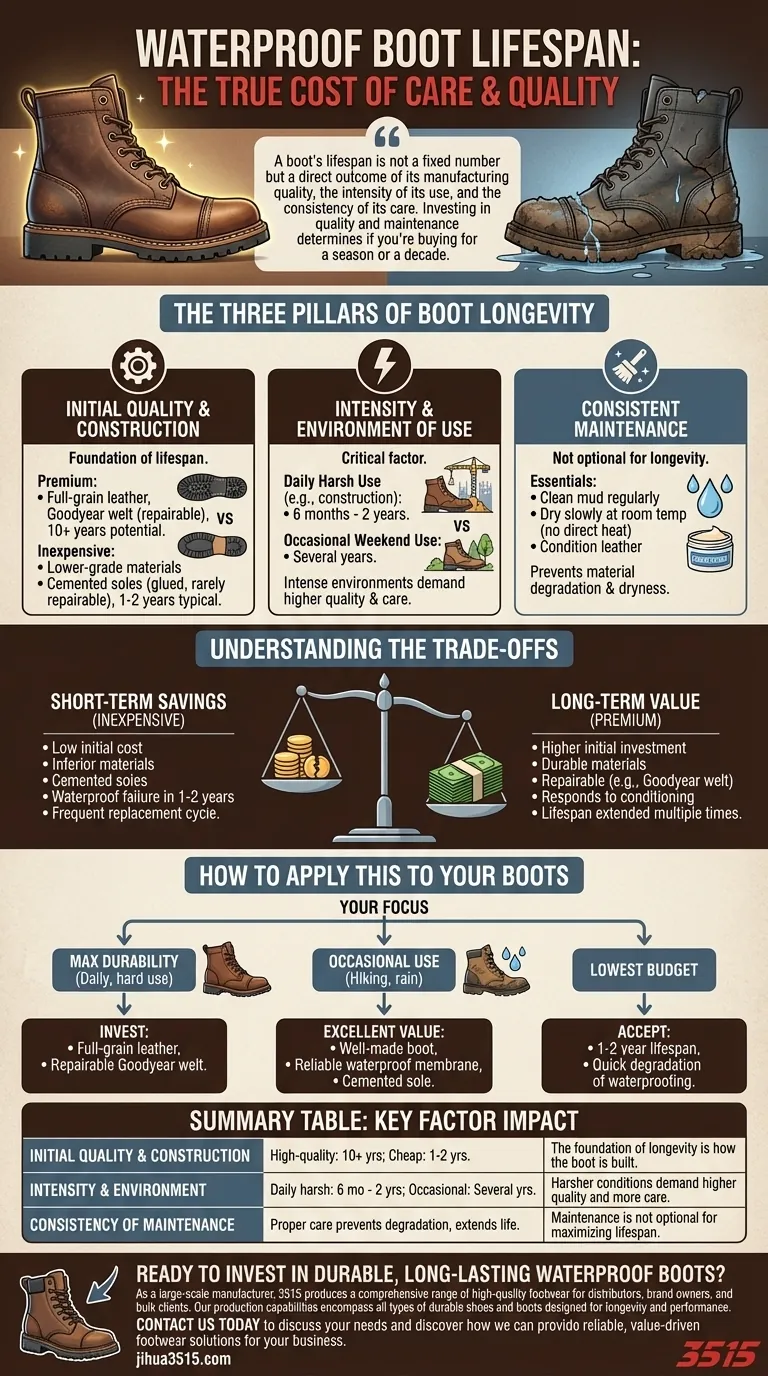
A boot's lifespan is not a fixed number but a direct outcome of its manufacturing quality, the intensity of its use, and the consistency of its care. Investing in quality and maintenance is what determines whether you are buying footwear for a season or for a decade.
The Three Pillars of Boot Longevity
Three core factors work together to determine how long your waterproof boots will last. Understanding them is key to maximizing your investment.
Pillar 1: Initial Quality and Construction
The materials and assembly method are the foundation of a boot's lifespan. Premium boots often use full-grain leather and feature a Goodyear welt, a construction method that stitches the sole to the upper, allowing it to be replaced and rebuilt.
This is why some boots can last for over ten years—they are designed to be repaired, not just discarded. In contrast, most inexpensive boots use lower-grade materials and have their soles glued on (cemented construction), making repairs nearly impossible.
Pillar 2: Intensity and Environment of Use
How and where you use your boots is a critical factor. Boots worn daily on a rugged construction site will face far more stress than boots used for occasional weekend hikes.
A pair of work boots in harsh conditions might only last six months to a year, while well-made combat boots subjected to intense use can last from one to five years. The more demanding the environment, the more critical the initial quality and maintenance become.
Pillar 3: The Role of Consistent Maintenance
Proper care is not optional if you want longevity. It directly prevents the degradation of the materials that keep your feet dry and supported.
Essential maintenance includes regularly washing off mud and debris, allowing boots to dry slowly at room temperature (never near direct heat), and treating the leather with conditioners or protectants. Storing them away from direct sunlight also prevents materials from becoming brittle.
Understanding the Trade-offs
The choice between an inexpensive pair and a premium pair is a classic case of short-term savings versus long-term value.
The Short-Term Cost of Inexpensive Boots
Cheaper boots often achieve their low price point by using inferior materials and cemented soles. These materials break down faster and cannot withstand sustained abuse.
Their waterproof lining may fail within a year or two, and because they can't be resoled, their lifespan is permanently limited. This creates a cycle of frequent replacement.
The Long-Term Value of Quality Boots
A higher initial investment in quality boots pays off over time. The durable materials respond well to conditioning, and the ability to rebuild key components like the sole means their lifespan can be extended multiple times.
Fire boots, for example, can last several years in extreme conditions precisely because they are designed for regular cleaning, conditioning, and rebuilds.
How to Apply This to Your Boots
Use these guidelines to choose the right pair and get the most out of them.
- If your primary focus is maximum durability for daily, hard use: Invest in boots made from full-grain leather with a repairable Goodyear welt construction.
- If your primary focus is occasional use for hiking or rain: A well-made boot with a reliable waterproof membrane and cemented sole will offer excellent value and years of service.
- If your primary focus is the absolute lowest budget: Be prepared for a significantly shorter lifespan of one to two years and accept that waterproofing performance will degrade quickly.
By matching the quality of the boot to your intended use and committing to proper care, you transform your footwear from a disposable item into a lasting investment.
Summary Table:
| Key Factor | Impact on Lifespan | Key Takeaway |
|---|---|---|
| Initial Quality & Construction | High-quality boots (e.g., Goodyear welt) can last 10+ years; cheap boots may fail in 1-2 years. | The foundation of longevity is how the boot is built. |
| Intensity & Environment of Use | Daily harsh use: 6 months - 2 years. Occasional use: Several years. | Harsher conditions demand higher quality and more care. |
| Consistency of Maintenance | Proper care (cleaning, conditioning) is essential to prevent material degradation and extend life. | Maintenance is not optional for maximizing lifespan. |
Ready to invest in durable, long-lasting waterproof boots?
As a large-scale manufacturer, 3515 produces a comprehensive range of high-quality footwear for distributors, brand owners, and bulk clients. Our production capabilities encompass all types of durable shoes and boots designed for longevity and performance.
Contact us today to discuss your needs and discover how we can provide reliable, value-driven footwear solutions for your business.
Visual Guide
Related Products
- Premium Wholesale Waterproof Safety Boots High Performance Protection for Industrial Markets
- High Performance Fire-Retardant Waterproof Safety Boots
- Wholesale Premium Waterproof Nubuck Safety Shoes Boots
- Premium Flame-Retardant Waterproof Safety Boots and Shoes
- Durable Waterproof Rain Boots | Custom Manufacturer for Wholesale & Brands
People Also Ask
- What weather and chemical protections do premium boots offer? Your Complete Guide to Safety & Performance
- Why are waterproof safety boots recommended for certain work environments? Essential Protection for Wet & Hazardous Jobs
- What are the primary protective functions of industrial safety boots in oil palm plantations? Master Rough Terrain Safety
- Why are oil-resistant and anti-slip properties critical for industrial safety boots? Expert Outsole Engineering Guide
- What are the best types of shoes for different gardening conditions? Find Your Perfect Match.