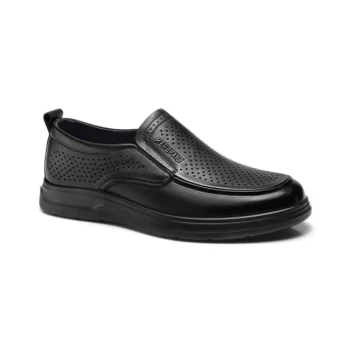
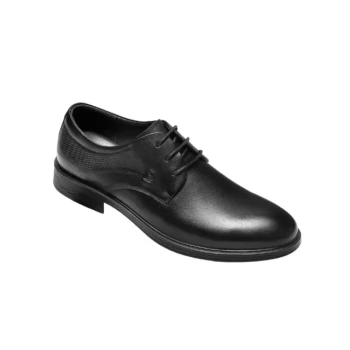
When selecting men's lace-up boots, the most critical factors are the intended purpose, the material composition, and the construction method. Style is not an independent variable; it is the natural outcome of combining these functional elements correctly. A boot designed for a boardroom will look fundamentally different from one designed for a construction site because its materials and structure are optimized for a different task.
The search for the "best" boot is often misleading. The goal is to find the right boot by perfectly aligning its material and construction with its primary function, ensuring it serves your specific needs for durability, comfort, and appearance.
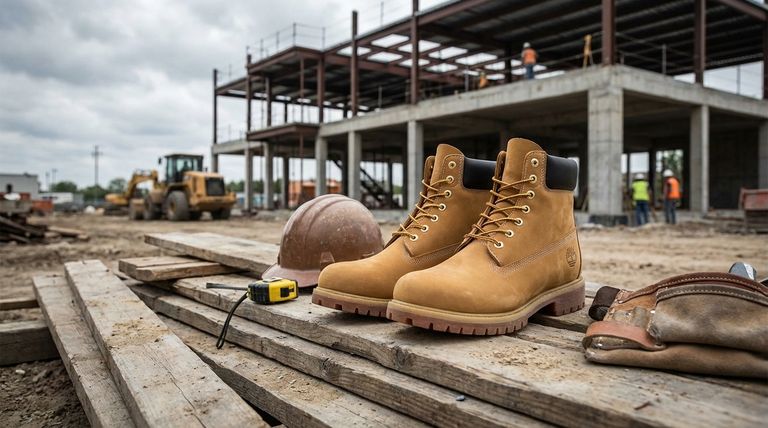
First, Define the Boot's Primary "Job"
Before examining leather types or sole construction, you must define the environment where the boot will spend most of its time. This single decision will guide all subsequent choices.
For Professional or Formal Settings
In these environments, aesthetics and a refined silhouette are paramount. The boot's job is to complement tailored clothing and project a professional image. Comfort is important, but rugged durability is a secondary concern.
For Daily Casual Wear
Here, the goal is versatility and comfort. The boot must be durable enough for daily use but stylish enough to pair with a wide range of non-formal outfits. It needs to be a reliable, everyday option.
For Demanding Work Environments
Functionality and safety override all other considerations. These boots are tools designed to protect your feet. Key features are driven by specific job site requirements, such as protection from impact or electrical hazards.
For Outdoor and Harsh Conditions
This category includes hiking, snow, and military-style boots where performance is critical. The design must prioritize protection from the elements, traction, and support over long periods of wear in challenging terrain.
A Practical Guide to Boot Materials
The material is the core component that dictates a boot's performance, feel, and lifespan. Each has a distinct purpose.
Full-Grain Leather: The Gold Standard
This is the highest quality leather, known for its exceptional durability and strength. It develops a unique patina over time and is the best choice for boots intended to last for years, from dress boots to heavy-duty work boots.
Suede & Nubuck: The Softer Alternatives
These are also genuine leathers, but their surface has been textured for a softer, velvety feel. They offer excellent comfort but are less resistant to water and stains, requiring more careful maintenance.
Performance Fabrics (Gore-Tex): The Weatherproof Layer
Modern boots often incorporate synthetic membranes like Gore-Tex. This material is engineered to be both waterproof and breathable, keeping your feet dry from external moisture while allowing sweat vapor to escape. It is essential for serious outdoor or wet-weather boots.
Insulation (3M Thinsulate): The Warmth Generator
For cold environments, insulation is key. Materials like 3M Thinsulate are designed to trap body heat effectively without adding excessive bulk, making them ideal for winter and snow boots.
Rubber & Canvas: The Utilitarian Choices
Rubber is unmatched for 100% waterproofing, making it the primary material for dedicated rain boots. Canvas offers a lightweight, breathable, and casual alternative for warm-weather use but provides minimal protection or longevity.
Understanding the Trade-offs
Choosing a boot always involves balancing competing factors. Understanding these compromises is key to making a wise investment.
Construction Method Matters
The way a boot's sole is attached to its upper is a critical indicator of quality. A Goodyear welt is a traditional method where a strip of leather is stitched to both the upper and the sole.
This construction makes a boot highly durable and easily resoleable, dramatically extending its life. The trade-off is a higher initial cost and a stiffer feel that requires a break-in period.
The Outsole: Form vs. Function
A sleek, thin leather sole is appropriate for a dress boot but offers poor traction and wears quickly on rough surfaces. Conversely, a thick, rubber lug sole provides excellent grip and durability but would be entirely out of place in a formal setting. You must match the outsole to the ground you will be walking on.
The Myth of the "One Boot Fits All"
No single boot can perform optimally as a rugged work boot on Friday and a sleek dress boot on Saturday. A boot loaded with features like thick insulation and a steel toe will be heavy and lack the refined profile for formal wear. Acknowledging this limitation is the first step toward building a functional footwear collection.
Making the Right Choice for Your Goal
Filter your options through the lens of your primary need to find the ideal boot.
- If your primary focus is office-appropriate style and longevity: Seek out a boot made from full-grain leather with a durable Goodyear welt construction.
- If your primary focus is all-day comfort and casual versatility: Consider boots in softer leathers like suede or options with cushioned insoles and flexible rubber outsoles.
- If your primary focus is maximum protection in a work or outdoor setting: Prioritize function-specific materials like waterproof membranes (Gore-Tex) and safety features like steel toes and high-traction lug soles.
Ultimately, the right lace-up boot is the one that flawlessly serves its intended purpose.
Summary Table:
| Boot Purpose | Recommended Material | Key Construction Feature |
|---|---|---|
| Professional/Formal | Full-Grain Leather | Goodyear Welt (for longevity) |
| Daily Casual Wear | Suede, Nubuck | Flexible Rubber Outsole |
| Demanding Work | Leather with Safety Toe | Steel/Composite Toe, Thick Sole |
| Outdoor/Harsh Conditions | Gore-Tex, Insulation (e.g., 3M Thinsulate) | Waterproof Membrane, Lug Sole |
Ready to find the perfect lace-up boots for your needs? As a large-scale manufacturer, 3515 produces a comprehensive range of footwear for distributors, brand owners, and bulk clients. Our production capabilities encompass all types of shoes and boots, ensuring you get the right combination of style, material, and construction for your market. Let us help you source high-quality boots that meet your specific requirements—contact our team today to discuss your project!
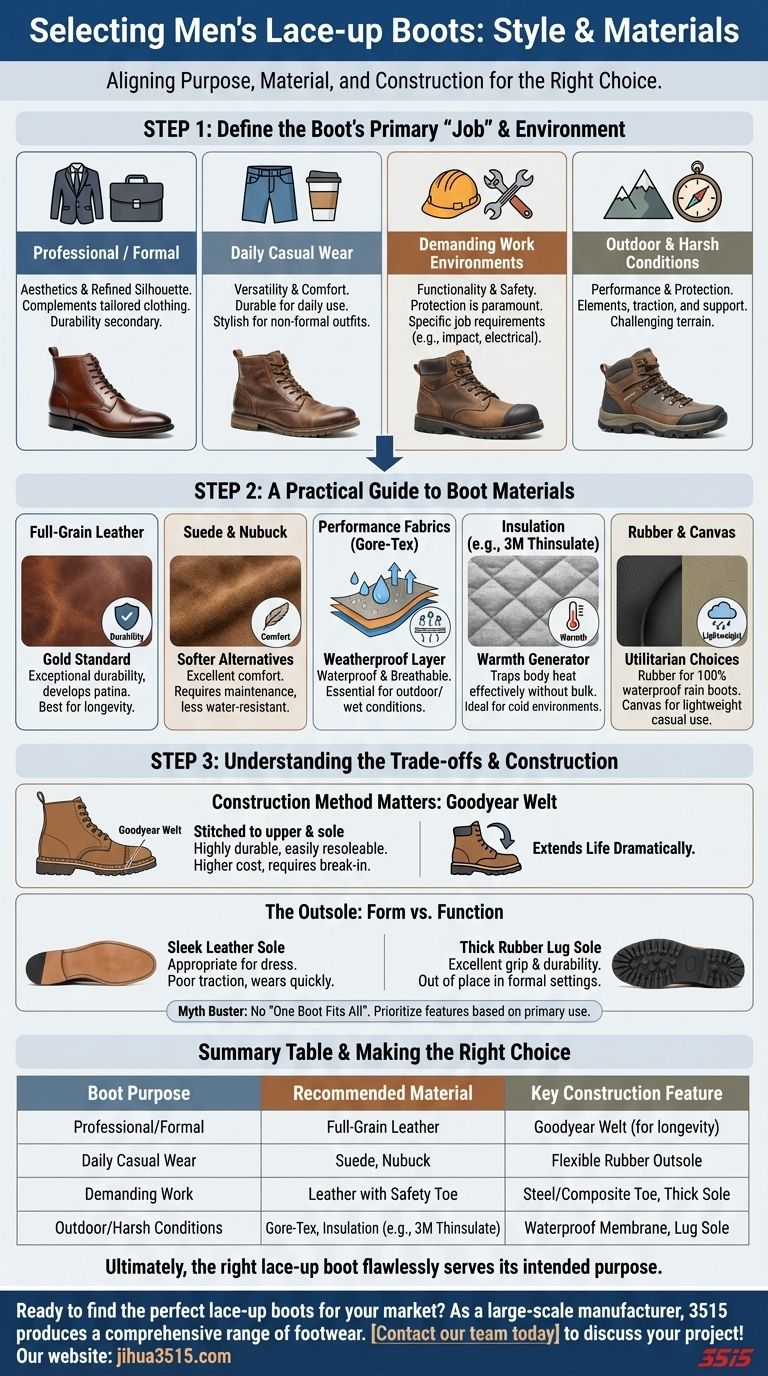
Visual Guide
Related Products
- Wholesale Classic Leather Lace-Up Ankle Boots for Brand Manufacturing
- Durable Goodyear Welt Leather Work Boots for Wholesale & Private Label
- Premium Wholesale Tactical Style Safety Shoes Boots with Quick Lacing
- Wholesale Leather Ankle Boots with Lug Soles for Custom Brand Manufacturing
- Wholesale Lightweight Tactical Boots with Dial Closure OEM & Bulk Orders
People Also Ask
- How are oils used to waterproof leather boots? A Guide to Deep Conditioning & Protection
- Why is regular maintenance necessary for the performance of leather boots? Boost Durability & Brand Reputation
- Why might it be beneficial to pre-heat the boots before applying wax? Achieve Deeper, Longer-Lasting Protection
- How can leather boots maintain their water resistance? A Guide to Lasting Protection
- What is the biggest enemy of leather boots? Protect Your Investment from Water Damage