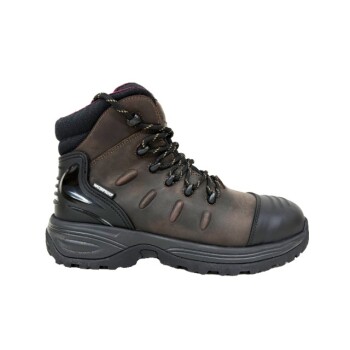
Choosing the right farm boot requires a methodical evaluation of your specific work environment, the tasks you perform daily, and the materials best suited to those conditions. The key factors are your terrain and climate, the type of work you do (from animal care to operating machinery), and the protective features the boot offers.
The ideal farm boot is not a one-size-fits-all solution. It is a specialized tool chosen by carefully matching its material, construction, and safety features to the unique demands of your land and labor.
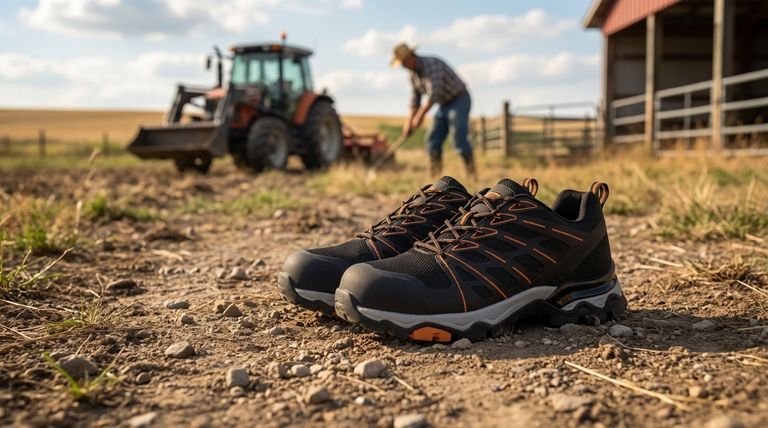
Assess Your Environment: The Foundation of Your Choice
Before looking at any boot, you must first analyze the ground you walk on and the weather you work in. This context dictates the most fundamental features you will need.
The Impact of Terrain
The type of ground you cover daily is a primary factor. A boot designed for flat, muddy pens will fail on steep, rocky hillsides.
Consider whether your terrain is primarily flat and muddy, requiring excellent waterproofing and easy-to-clean surfaces, or steep and rocky, which demands aggressive tread and strong ankle support to prevent injury.
Climate and Weather Conditions
Weather directly influences material choice. Working in wet conditions is vastly different from working in a hot, dry climate.
For rainy or snowy environments, waterproof materials like rubber or Gore-Tex are non-negotiable. In cold climates, insulation is critical, while in hot weather, breathability becomes the priority to prevent discomfort and blisters.
Match the Boot to Your Daily Work
The specific tasks you perform determine the level of protection and type of construction you need. A boot for the barn is different from one for the field.
Working with Livestock
If your work involves close contact with animals, two features are paramount: protection and sanitation.
Boots made of seamless rubber are easy to wash and disinfect. A protective toe (steel or composite) is essential to guard against accidental trampling.
Operating Machinery and General Fieldwork
For long days on your feet or operating equipment, comfort and support take precedence.
Look for boots with excellent ankle support to provide stability on uneven ground. A durable but moderately flexible sole is ideal for operating foot pedals on tractors and other machinery.
Deconstructing the Boot: Key Features and Materials
Once you understand your environment and tasks, you can evaluate the specific components of the boot itself.
The Material Matrix: Rubber vs. Leather vs. Synthetics
Each material offers a distinct set of advantages.
Rubber boots are the standard for wet, muddy, and unsanitary conditions due to being 100% waterproof and simple to clean.
Leather offers superior durability, breathability, and comfort for long-term wear in drier conditions. It molds to your foot over time but requires maintenance.
Synthetics like Gore-Tex provide a modern hybrid, offering excellent waterproofing while maintaining a higher degree of breathability than traditional rubber.
Essential Safety and Support Features
Beyond the primary material, look for specific construction details.
A reinforced or safety toe protects from falling objects and animal hooves. A steel shank can provide underfoot protection from punctures, while proper insulation is rated for specific temperature ranges.
Understanding the Trade-offs: No Boot is Perfect
Choosing a farm boot always involves balancing competing features. Understanding these compromises is key to making an informed decision.
The Waterproofing vs. Breathability Dilemma
The most waterproof boots, like traditional rubber wellingtons, are often the least breathable. This can lead to excessive sweat and discomfort in warmer weather.
Conversely, highly breathable boots may offer water resistance but will not be fully waterproof for standing in muck or water for extended periods.
The Durability vs. Comfort Balance
The most durable, heavy-duty leather boots offer maximum protection and longevity but can be heavy and require a significant break-in period.
Lighter, more flexible boots may be more comfortable out of the box but will almost certainly wear out faster under demanding farm conditions.
Making the Right Choice for Your Goal
Select your boot based on the single most critical demand of your workday.
- If your primary focus is working with animals in wet, muddy pens: Choose a seamless, high-quality rubber boot for its complete waterproofing and ease of sanitation.
- If your primary focus is operating machinery and fieldwork in varied, drier conditions: A durable leather work boot with excellent ankle support offers the best balance of protection and long-term comfort.
- If your primary focus is all-weather versatility across different tasks: Look for a hybrid boot, such as a leather model with a Gore-Tex waterproof liner, to get both durability and weather protection.
Ultimately, viewing your boot as a critical piece of safety equipment—not just footwear—is the key to making a sound investment in your daily comfort and protection.
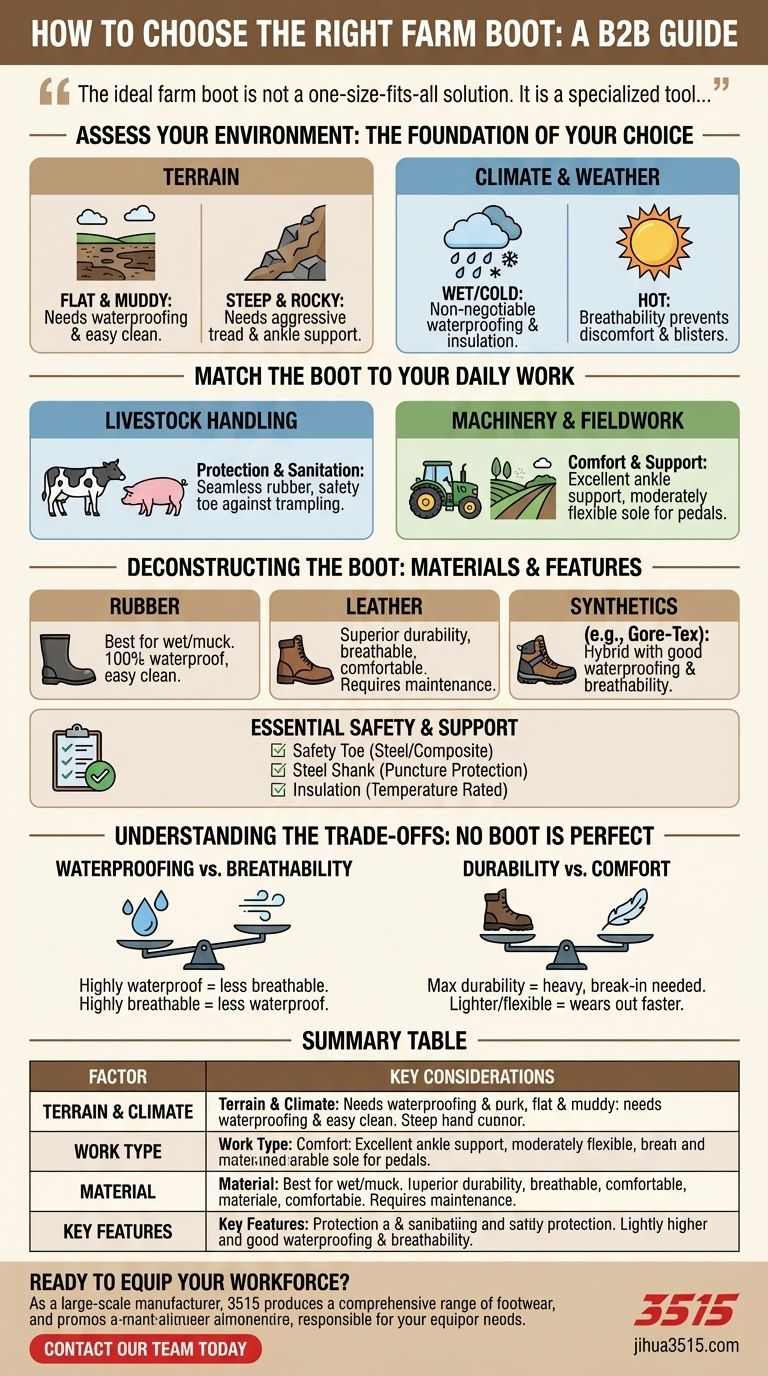
Summary Table:
| Factor | Key Considerations |
|---|---|
| Terrain & Climate | Flat/muddy vs. steep/rocky; Wet/cold vs. hot/dry conditions. |
| Work Type | Livestock handling (sanitation, safety toes) vs. machinery operation (ankle support, comfort). |
| Material | Rubber (waterproof), Leather (durable/breathable), Synthetics (hybrid performance). |
| Key Features | Safety toe, ankle support, insulation, sole tread, waterproofing vs. breathability. |
Ready to Equip Your Workforce with Durable, Purpose-Built Farm Boots?
As a large-scale manufacturer, 3515 produces a comprehensive range of footwear for distributors, brand owners, and bulk clients. Our production capabilities encompass all types of shoes and boots, including the specialized farm boots detailed in this guide. We can help you source or create the perfect boot to meet the specific demands of your customers and their land.
Let's discuss your needs: Contact our team today to learn how we can support your business with high-quality, reliable footwear solutions.
Visual Guide
Related Products
- Durable Leather Work Boots for Wholesale & Custom Manufacturing
- Durable Leather Work Boots for Wholesale & Custom OEM Manufacturing
- Durable Goodyear Welt Leather Work Boots for Wholesale & Private Label
- Factory Direct Wholesale Rain Boots Durable Waterproof & Fully Customizable
- Wholesale Customizable Safety Boots Durable & Protective Footwear Manufacturing
People Also Ask
- What is the difference between full-grain and top-grain leather? Premium Material Guide for Boot Manufacturers
- What are the common workplace hazards that can be mitigated with the right work boots? Protect Your Workforce
- What are the common foot issues workers face due to uncomfortable work boots? Prevent Pain & Deformities
- What are the advantages of leather versus synthetic work boots? A Guide to Choosing the Right Material
- What are the key components of modern work boots? Engineered for Ultimate Durability and Comfort