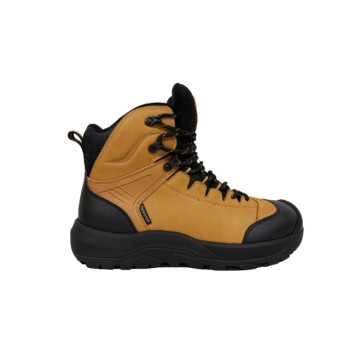
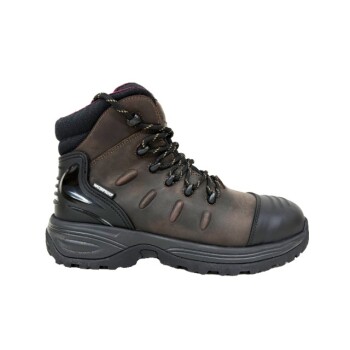
Proper maintenance of high-insulation winter boots is essential for preserving their thermal efficiency and structural integrity over multiple seasons. Because these boots utilize dense thermal layers (often 200g or more) and waterproof barriers, they naturally retain moisture once saturated. To prevent performance degradation, they must be dried naturally at room temperature and cleaned regularly to remove corrosive agents like road salt.
Core Takeaway: Effective boot maintenance requires a balance between thorough natural drying and consistent surface cleaning to protect the specialized insulating materials. For high-volume distributors, emphasizing these care protocols ensures end-user satisfaction and minimizes product returns caused by material failure or diminished warmth.
The Technical Challenges of Drying High-Insulation Footwear
Why Dense Thermal Layers Retain Moisture
High-performance boots utilize specialized insulation and waterproof membranes that create a complex internal environment. These materials are designed to trap heat, but they also trap moisture from perspiration or external ingress, making them significantly harder to dry than standard footwear.
The Dangers of Accelerated Drying
Users often attempt to speed up the drying process by placing boots near radiators or direct heat sources. This is a critical mistake, as excessive heat can compromise waterproof adhesives, crack leather, and damage the loft of synthetic insulation like Thinsulate.
Optimal Recovery Procedures
The most effective method for drying is natural air circulation at room temperature. Inserting crumpled newspaper can help draw moisture out from the interior while helping the boot maintain its original shape during the drying cycle.
Industrial-Grade Durability and Manufacturing Heritage
A Legacy of Quality Since 1951
Our manufacturing processes are backed by a rich heritage dating back to 1951, ensuring that every boot is built to withstand rigorous use. We leverage decades of expertise to select materials that offer both superior insulation and better-than-average recovery times after wet use.
State-of-the-Art Material Selection
Through our premium OEM/ODM capabilities, we integrate advanced footbeds and linings, such as merino wool or sheepskin, which provide natural odor control and moisture management. These high-quality components are essential for maintaining the boot's internal climate over a long lifecycle.
Massive Production Scale and Quality Control
Our state-of-the-art equipment and massive production scale allow us to maintain consistent quality across large-volume deliveries. Every batch undergoes strict testing to ensure that the waterproof barriers and insulation layers meet international certification standards before leaving the factory.
Understanding the Trade-offs
Thermal Density vs. Drying Time
There is an inherent trade-off between insulation thickness and drying speed. While 400g+ insulation provides extreme warmth for sub-zero conditions, it significantly extends the recovery time needed between uses compared to lighter 200g models.
Breathability vs. Waterproofing
While modern membranes are designed to be breathable, the high level of waterproofing required for winter environments inherently limits vapor transmission. This leads to internal moisture buildup from sweat, which necessitates a dedicated drying period even if the boot has not been submerged.
Maintenance Effort vs. Longevity
Neglecting regular cleaning of salt, dirt, and grime will lead to premature material fatigue. While professional maintenance takes time, it is the only way to ensure the boots remain functional for the 1-2 year replacement cycle expected in professional or heavy-duty use.
How to Apply These Standards to Your Project
Effective maintenance is the final step in the supply chain that ensures your customers receive the full value of a high-performance product.
- If your primary focus is Professional Workwear: Prioritize boots with removable liners that can be dried separately to maximize daily uptime for the user.
- If your primary focus is Consumer Retail: Provide clear "Care and Maintenance" guides that emphasize air-drying and salt removal to reduce warranty claims and increase brand loyalty.
- If your primary focus is Extreme Cold Environments: Select models with 400g+ insulation and specialized wool footbeds, advising users to rotate between two pairs to allow for 24-hour drying cycles.
By integrating these maintenance considerations into your product selection and customer education, you ensure that our high-capacity manufacturing excellence translates into long-term reliability for the end-user.
Summary Table:
| Maintenance Factor | Importance | Recommended Action |
|---|---|---|
| Drying Method | Protects adhesives & membranes | Air dry naturally at room temperature |
| Cleaning | Prevents salt & chemical corrosion | Wipe down with clean water after use |
| Material Recovery | Maintains thermal loft | Use 24-hour drying cycles between uses |
| Moisture Removal | Prevents odors & mold | Use crumpled newspaper or removable liners |
As a large-scale manufacturer serving distributors and brand owners since 1951, 3515 offers comprehensive production capabilities for all footwear types. Anchored by our flagship Safety Shoes series, our portfolio includes tactical boots, outdoor shoes, and sneakers designed for durability and consistent large-volume delivery.
Leveraging premium OEM/ODM capabilities and state-of-the-art equipment, we ensure your supply chain remains stable with international certification compliance. Partner with a manufacturer that understands industrial-grade durability—Contact us today to discuss your bulk requirements!
Related Products
- Premium Insulated Safety Boots and Shoes for Wholesale & Bulk Orders
- High Performance Fire-Retardant Waterproof Safety Boots
- Wholesale Waterproof Tactical Boots Custom Suede & High-Traction Soles
- Durable High-Ankle Tactical Boots Wholesale Manufacturer for Custom & Bulk Orders
- High-Traction Suede Tactical Boots Wholesale & Custom Manufacturing
People Also Ask
- What are the recommended insulation ratings for mild winter conditions? A Guide for Active & Stationary Workers
- How does insulation thickness correlate with temperature ranges? A Guide to Choosing the Right Warmth
- What insulation level is needed for severe cold and stationary work? 1200g or Higher is Essential
- What safety advantages do insulated boots offer beyond warmth? Dielectric Protection & Superior Grip
- How does fleece lining contribute to the warmth of insulated boots? Trapping Air for Superior Cold Protection