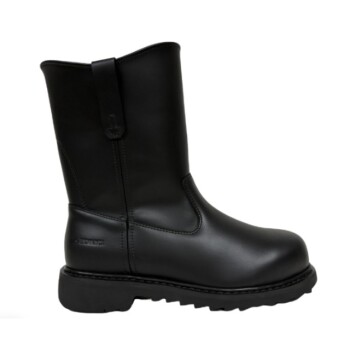
Visible signs of motorcycle boot wear include compromised sole traction, cracked or peeling upper materials, and failing structural components like stitching or fasteners. When these indicators appear, the protective integrity of the footwear is diminished, necessitating either intensive professional maintenance or a full replacement to ensure rider safety.
Core Takeaway: Regular inspection of soles, seams, and hardware is essential to identify when a boot's protective capabilities are compromised. For distributors and brand owners, understanding these wear patterns is vital for assessing product lifecycle and selecting manufacturing partners whose production standards minimize premature failure.
Identifying Critical Physical Indicators of Wear
Structural Integrity of the Upper Material
Visible cracking or peeling in the leather or synthetic upper is often the first sign of material fatigue. This degradation usually occurs at flex points, such as the toe box or ankle, where the material is repeatedly stressed during operation.
If the upper suffers from punctures, deep tears, or severe fading, the material’s ability to resist abrasion during a slide is significantly reduced. For B2B resellers, these signs often indicate a need for higher-grade material sourcing and more robust tanning or finishing processes.
Sole and Heel Attrition
The outsole is the primary interface between the rider and the ground; significant thinning or uneven wear patterns can dangerously reduce traction. When the tread depth is nearly flush or the heel shows lopsided erosion, the boot can no longer provide the grip necessary for stability on wet or oily surfaces.
Delamination, where the sole begins to pull away from the upper, is a critical failure point. In high-volume manufacturing, this is often prevented by utilizing advanced bonding agents and state-of-the-art equipment to ensure a permanent vulcanized or stitched bond.
Failure of Fasteners and Hardware
Zippers, buckles, and straps must be inspected for bent teeth, rust, or loss of tension. A boot that cannot stay securely fastened will likely be stripped off the rider’s foot during an impact.
Mechanical parts, such as hinged ankle supports, require periodic lubrication to prevent seizing or snapping. When these components show signs of structural cracking or "play" in the joint, the boot's ability to prevent hyperextension is lost.
The Role of Manufacturing Excellence in Longevity
Precision Stitching and Seam Strength
Loose or frayed stitching is a major red flag that indicates a potential seam burst under pressure. Enterprise-level manufacturers mitigate this risk by using industrial-grade, UV-resistant threads and double or triple-stitching in high-impact zones.
Consistent, high-volume delivery of reliable footwear depends on rigorous quality control. Since 1951, heritage manufacturers have refined these processes to ensure that every seam meets international safety certifications (such as CE standards).
Internal Padding and Ankle Support
The loss of internal structural support is a "hidden" sign of wear that can be felt through increased foot discomfort or blisters. When the interior padding collapses, the boot no longer holds the ankle in a neutral, protected position.
Advanced OEM/ODM capabilities allow for the integration of high-density foams and TPU (Thermoplastic Polyurethane) reinforcements. These materials maintain their shape far longer than the cheaper alternatives found in budget-tier mass production.
Understanding the Trade-offs: Repair vs. Replacement
When to Opt for Maintenance
Minor issues such as surface salt buildup or light scuffing can be resolved with specialized cleaning and conditioning. Removing road salts and applying leather nutrients can significantly extend the lifespan of the material by preventing it from becoming brittle.
Replaceable components, such as sole inserts or toe sliders, allow riders to refresh high-wear areas without discarding the entire boot. This modularity is a hallmark of premium design and offers better long-term value for the end-user.
When Replacement is Mandatory
If the protective toecap or internal armor is dented or shifted, the boot’s safety rating is effectively voided. Structural damage to these internal safety components cannot be repaired and requires an immediate product replacement.
Once the integrity of the upper is breached through deep tears or when the sole is worn through to the midsole, the cost of professional repair often outweighs the price of a new, certified unit. For distributors, consistent large-volume supply chains ensure that replacement inventory is always available to meet this recurring demand.
Applying These Insights to Your Product Portfolio
Strategy for Distributors and Brand Owners
- If your primary focus is brand reputation and longevity: Source from manufacturers with a rich heritage and international certifications to ensure materials resist cracking and peeling over long-term use.
- If your primary focus is supply chain stability and volume: Partner with enterprises utilizing state-of-the-art equipment to guarantee that high-stress components like soles and fasteners are consistently bonded and installed.
- If your primary focus is maximizing end-user value: Prioritize designs that feature replaceable hardware and high-grade leather that responds well to regular conditioning and maintenance.
By identifying these signs of wear early, professionals can ensure that every rider remains protected by footwear that meets the highest standards of industrial craftsmanship.
Summary Table:
| Component | Signs of Wear & Tear | Recommended Action |
|---|---|---|
| Upper Material | Deep cracks, peeling, punctures, or severe fading | Replacement (if protective barrier is breached) |
| Outsole | Thinning tread, uneven erosion, or delamination | Maintenance (re-sole) or Replacement |
| Fasteners | Bent zipper teeth, rusted buckles, or loose straps | Professional repair or hardware replacement |
| Structural Seams | Loose, frayed, or burst stitching | Professional re-stitching or Replacement |
| Internal Padding | Collapsed foam, loss of ankle support, or displaced armor | Immediate Replacement for safety |
Partner with a Heritage Manufacturer for Unmatched Durability
For distributors and brand owners, product longevity is the foundation of brand reputation. 3515, a leading large-scale manufacturer since 1951, combines decades of heritage with state-of-the-art equipment to deliver footwear that resists premature wear and tear.
As your strategic OEM/ODM partner, we offer:
- Comprehensive Production: From our flagship Safety Shoes to tactical boots, outdoor footwear, and formal dress shoes.
- Industrial Strength: High-volume delivery of CE-certified products featuring precision double-stitching and advanced bonding technologies.
- Reliable Supply Chain: Consistent quality and robust support for B2B resellers and wholesalers worldwide.
Ensure your inventory meets the highest standards of safety and craftsmanship. Contact us today to discuss your bulk requirements and custom manufacturing needs.
Related Products
- Heavy-Duty Goodyear Welted Pull-On Safety Rigger Boot
- Wholesale Tactical Boots High-Traction & Reflective for Bulk & Brand Orders
- High Performance Fire-Retardant Waterproof Safety Boots
- Wholesale High-Traction Camo Boots - Custom Manufacturer for Brands
- Wholesale Waterproof Tactical Boots Custom Suede & High-Traction Soles
People Also Ask
- What are the key elements of quality boot construction? Ensure Longevity & Performance
- Are Goodyear welted boots worth it? The Ultimate Guide to Lifelong Footwear
- What is a Goodyear welt on a boot? The Secret to Durable, Repairable Footwear
- What makes Goodyear Welt boots suitable for harsh environments? Unmatched Durability & Repairability
- What additional high-quality materials are used in Goodyear Welt boots? A Guide to Advanced Components