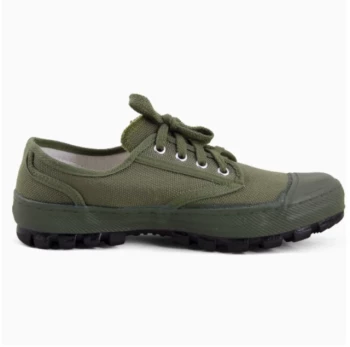
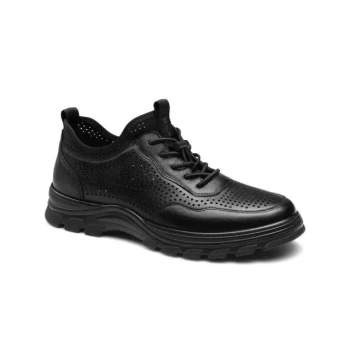
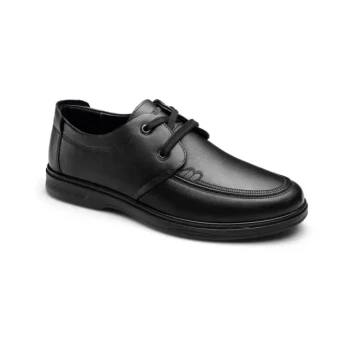
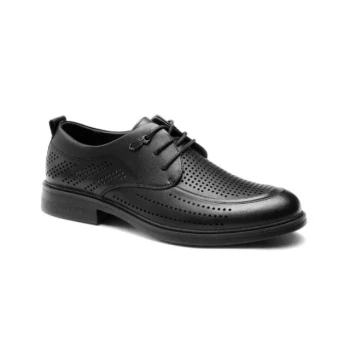
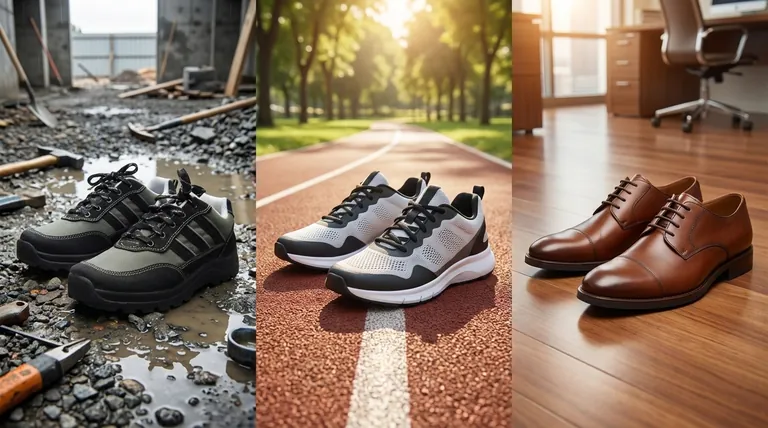
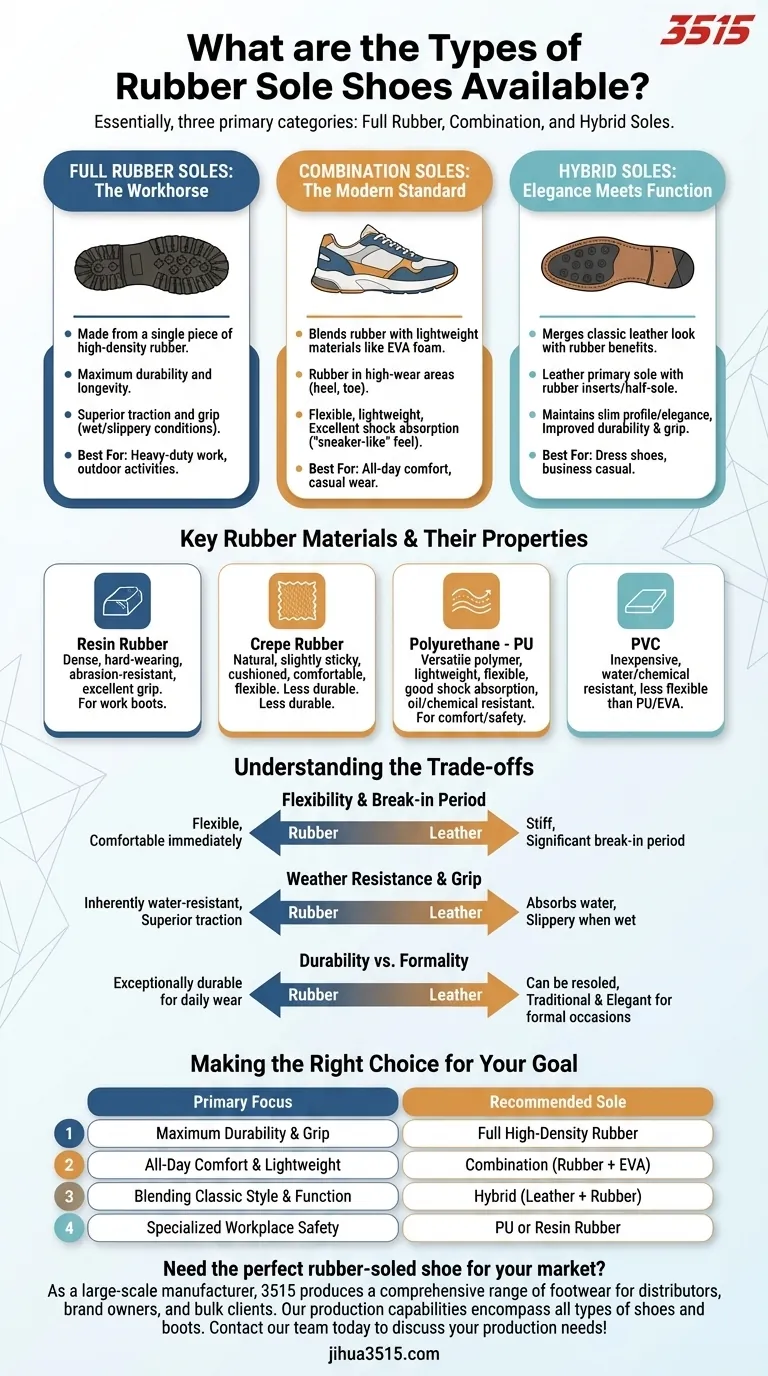
In essence, there are three primary categories of rubber-soled shoes. These are full rubber soles, known for maximum durability and grip; combination soles that blend rubber with materials like EVA foam for a lighter feel; and hybrid soles, which strategically combine rubber with traditional leather for a balance of elegance and practicality.
The choice in a rubber sole isn't just about the material itself, but how that material is structured and combined with others to achieve a specific balance of durability, comfort, flexibility, and style for its intended purpose.
Deconstructing the Rubber Sole
When we talk about "rubber soles," we're referring to a broad family of materials and designs. Understanding the specific composition and construction is key to selecting the right shoe for your needs, whether that's for professional safety, daily comfort, or formal wear.
Full Rubber Soles: The Workhorse
A full rubber sole is made entirely from a single piece of high-density rubber. This construction is prized for its straightforward, powerful benefits.
It offers maximum durability and longevity, easily withstanding heavy use and abrasive surfaces like concrete. The material also provides superior traction and grip, making it a reliable choice in wet or slippery conditions.
Combination Soles: The Modern Standard
Many modern shoes use a combination of materials to optimize for both weight and comfort. A common pairing is rubber with EVA (ethylene vinyl acetate).
In this design, high-wear areas like the heel and toe are made of durable rubber, while the rest of the sole is a lighter, more cushioned EVA foam. This creates a shoe that is flexible, lightweight, and offers excellent shock absorption, often described as having a "sneaker-like" feel.
Hybrid Soles: Elegance Meets Function
Hybrid soles are designed to merge the classic look of a leather sole with the practical benefits of rubber.
Typically, these shoes feature a primary leather sole with rubber "inserts" or a rubber half-sole placed in the areas that experience the most contact and wear. This approach maintains the slim profile and elegance of a dress shoe while significantly improving its durability and grip in various conditions.
Key Rubber Materials and Their Properties
The term "rubber" can refer to several distinct synthetic compounds, each with unique characteristics that make it suitable for different applications, from industrial safety to casual wear.
Resin Rubber
This is a dense, hard-wearing synthetic rubber. It is highly resistant to abrasion and provides excellent grip, making it a common choice for work boots and high-durability footwear.
Crepe Rubber
Natural crepe rubber is known for its distinctive, slightly sticky texture and cushioned feel. It provides exceptional comfort and flexibility but is generally less durable and can become dirty more easily than synthetic options.
Polyurethane (PU)
Polyurethane is a versatile polymer used to create lightweight and highly flexible soles. It offers good shock absorption and is resistant to oil and chemicals, making it a frequent choice for both comfort-focused shoes and specialized safety footwear.
PVC (Polyvinyl Chloride)
PVC is another common synthetic material. It is inexpensive to produce and offers good resistance to water and chemicals, though it can be less flexible and comfortable than PU or EVA combinations.
Understanding the Trade-offs
Choosing a rubber sole, especially over a traditional leather one, involves a clear set of trade-offs. Your intended use and personal priorities will determine which is the better fit.
Flexibility and Break-in Period
Rubber soles are flexible and comfortable right out of the box. In contrast, leather soles are initially very stiff and require a significant break-in period to mold to the shape of your foot.
Weather Resistance and Grip
Rubber is inherently water-resistant and provides far superior traction on wet surfaces. Leather soles, on the other hand, absorb water and become extremely slippery when wet, requiring careful steps.
Durability vs. Formality
While a high-density rubber sole is exceptionally durable for daily wear, a well-maintained leather sole can often be resoled more easily by a cobbler, potentially extending the life of a high-end dress shoe. For formal occasions, leather soles are still considered the more traditional and elegant option.
Making the Right Choice for Your Goal
- If your primary focus is maximum durability and all-weather grip: A full, high-density rubber sole is the most reliable and practical choice.
- If your primary focus is all-day comfort and a lightweight feel: Look for a combination sole that pairs rubber with EVA for excellent shock absorption and flexibility.
- If your primary focus is blending classic style with everyday function: A hybrid leather-and-rubber sole offers the perfect compromise between elegance and practicality.
- If your primary focus is specialized workplace safety: Select a shoe with a sole material, like PU or resin rubber, specifically designed to resist the hazards of your environment.
Ultimately, understanding the construction of the sole empowers you to choose footwear that performs exactly as you need it to.
Summary Table:
| Sole Type | Key Features | Best For |
|---|---|---|
| Full Rubber | Maximum durability, superior grip, all-weather resistance | Heavy-duty work, outdoor activities |
| Combination (Rubber + EVA) | Lightweight, flexible, excellent shock absorption | All-day comfort, casual wear |
| Hybrid (Leather + Rubber) | Elegant profile, improved durability, practical grip | Dress shoes, business casual |
Need the perfect rubber-soled shoe for your market? As a large-scale manufacturer, 3515 produces a comprehensive range of footwear for distributors, brand owners, and bulk clients. Our production capabilities encompass all types of shoes and boots, from durable full-rubber work soles to lightweight combination designs. Let us help you source or customize footwear that meets your exact specifications for durability, comfort, and style. Contact our team today to discuss your production needs!
Visual Guide
Related Products
- Durable Rubber-Soled Utility Shoes for Wholesale & Custom Brand Manufacturing
- Durable Rubber Sole Outdoor Shoes Wholesale & Custom Manufacturing
- Wholesale Durable Camo Canvas Shoes with High-Traction Rubber Soles
- Durable Canvas Work Shoes with Rubber Lug Sole | Wholesale Manufacturer
- Wholesale Durable Camouflage Canvas Shoes with High-Traction Cleated Rubber Sole
People Also Ask
- Why are rubber-soled shoes considered multi-weather footwear? Unlock All-Season Traction & Protection
- Why should we wear rubber soled shoes? Unlock Superior Safety and Durability
- How do rubber soles affect a shoe's appearance? Defining Your Shoe's Style and Formality
- When were rubber sole shoes invented? From 1800s Concept to Modern Mainstay
- What are the advantages of rubber-soled shoes? Unlock Superior Grip & All-Day Comfort