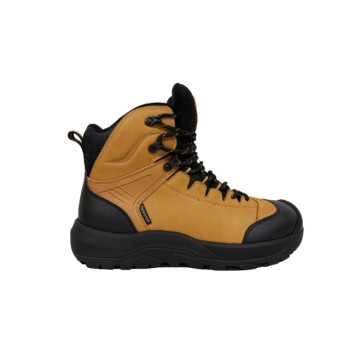
Boots with 400g of insulation are generally rated for temperatures as low as -40°F (-40°C). They are best suited for cold conditions when you plan to be moderately active, such as brisk walking, working outdoors, or general-purpose winter wear.
The effectiveness of any insulated boot is not determined by the temperature rating alone. The most critical factor is the balance between the outside temperature and your personal activity level, which dictates how much body heat you generate.
The Principle of Boot Insulation
To make an informed choice, you first need to understand what the "gram" rating actually signifies. This number isn't about the boot's total weight, but the weight of the insulation material packed into a single square meter of the fabric.
What "400g" Really Means
A 400g rating means that a one-meter-by-one-meter square of the boot's insulation material weighs 400 grams. A higher number means a denser, heavier layer of insulation, which can trap more of your body's heat.
The Critical Factor: Your Activity Level
Your body is a furnace. The amount of heat it produces varies dramatically with your level of exertion. The purpose of insulation is simply to trap that heat. This is why the same boot can feel perfect for one person and too cold or too hot for another.
- High Activity (e.g., hiking, snowshoeing): You generate significant heat. Too much insulation will cause your feet to sweat. This moisture then chills, making your feet colder than if you had less insulation.
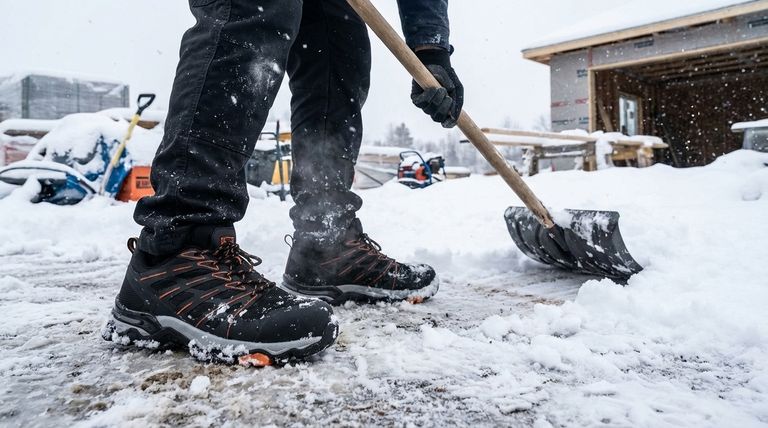
- Moderate Activity (e.g., walking, shoveling snow): You produce a steady amount of heat. The goal is to trap enough of it to stay warm without causing excessive sweat. This is the ideal scenario for 400g boots.
- Low Activity (e.g., sitting in a hunting stand, ice fishing): You generate very little heat. You need the maximum possible insulation (800g, 1000g, or more) to preserve every bit of warmth your body produces.
A Practical Guide to Insulation Levels
Putting 400g boots into context with other common ratings clarifies their specific role.
200g Insulation
With a typical rating around -20°F (-28°C), these boots are best for cool conditions with high activity. They provide enough warmth to fight the chill without causing you to overheat while you're moving and generating significant body heat.
400g Insulation
Rated to approximately -40°F (-40°C), this is the versatile workhorse of winter footwear. It excels in cold temperatures with moderate activity, making it an excellent choice for daily winter chores, active work, or winter walking.
800g to 1000g+ Insulation
These boots carry extreme ratings from -60°F (-51°C) to -100°F (-73°C). They are purpose-built for very cold to frigid conditions with little to no activity. They are essential for sedentary activities where you rely entirely on the boot to keep you warm.
Understanding the Trade-offs
A higher insulation number isn't always better. Choosing the wrong insulation for your activity level is the most common mistake and the primary cause of cold feet.
The Risk of Over-Insulating
The single biggest threat to warm feet is moisture. If you wear 1000g boots for an active job, your feet will sweat profusely. That sweat gets trapped, soaks your socks, and rapidly chills, leading to dangerously cold feet.
The Myth of a "Perfect" Rating
A temperature rating like "-40°F" is a manufacturer's guideline, not a scientific guarantee. It assumes ideal conditions, including proper socks, dry weather, and a certain level of activity. Your personal circulation and other factors will also affect your comfort.
More Than Just Insulation
Remember that insulation is only one part of the equation. True winter performance also depends on waterproofing, sole traction, and the quality of your socks. A wool or synthetic sock that wicks moisture is essential to allow the insulation to do its job.
Making the Right Choice for Your Goal
To select the correct boot, start by defining your primary use case.
- If your primary focus is active winter sports (hiking, snowshoeing): 200g to 400g is often the best choice to balance warmth with the need to let heat and moisture escape.
- If your primary focus is all-day work or general use in cold weather: 400g provides the ideal middle ground of warmth and flexibility for moderate, sustained activity.
- If your primary focus is stationary activity in bitter cold (ice fishing, hunting): You must prioritize maximum thermal retention and look for boots with 800g, 1000g, or even higher insulation ratings.
Ultimately, matching your insulation level to your activity level—not just the thermometer—is the key to warm, dry feet all winter.
Summary Table:
| Insulation Level | Temperature Rating | Best For Activity Level | Primary Use Case |
|---|---|---|---|
| 200g | -20°F (-28°C) | High (e.g., hiking) | Active winter sports |
| 400g | -40°F (-40°C) | Moderate (e.g., walking, work) | General winter wear & work |
| 800g - 1000g+ | -60°F to -100°F | Low (e.g., ice fishing) | Stationary cold-weather activities |
Need reliable 400g insulated boots for your business or bulk order?
As a large-scale manufacturer, 3515 produces a comprehensive range of high-performance footwear for distributors, brand owners, and bulk clients. Our production capabilities encompass all types of insulated boots, ensuring your customers get the perfect balance of warmth, durability, and comfort for their specific needs.
Contact us today to discuss your custom footwear requirements and get a competitive quote!
Visual Guide

Related Products
- Premium Insulated Safety Boots and Shoes for Wholesale & Bulk Orders
- High Performance Fire-Retardant Waterproof Safety Boots
- Premium Wholesale Waterproof Safety Boots High Performance Protection for Industrial Markets
- Premium Waterproof High-Cut Industrial Safety Boots for Wholesale and Bulk Orders
- High-Traction Suede Tactical Boots Wholesale & Custom Manufacturing
People Also Ask
- What are the recommended insulation ratings for mild winter conditions? A Guide for Active & Stationary Workers
- How does insulation thickness correlate with temperature ranges? A Guide to Choosing the Right Warmth
- What insulation level is needed for severe cold and stationary work? 1200g or Higher is Essential
- What safety advantages do insulated boots offer beyond warmth? Dielectric Protection & Superior Grip
- How does fleece lining contribute to the warmth of insulated boots? Trapping Air for Superior Cold Protection