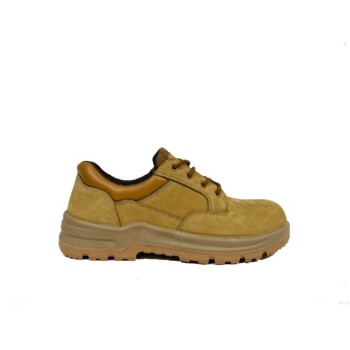
Utilizing recycled plastics for structural components like heels in safety footwear provides a technical pathway to reduce dependence on virgin petroleum-based materials without compromising structural integrity. By leveraging high-precision injection molding, manufacturers can achieve mechanical performance levels that are comparable to virgin materials, ensuring the footwear meets rigorous safety standards.
The core technical advantage lies in the ability to create a "closed-loop" material cycle. When processed with the right equipment, recycled plastics allow manufacturers to maintain the strict durability requirements of tactical and safety boots while simultaneously immunizing their supply chain against regulatory pressures and raw material volatility.
Performance and Manufacturing Precision
Achieving Virgin-Grade Integrity
The primary concern in safety footwear is mechanical failure. The technical data indicates that recycled plastics, when properly sourced and processed, provide mechanical performance comparable to virgin materials. This ensures that critical load-bearing components, such as heels, retain their necessary impact resistance and stability.
The Role of High-Precision Molding
Achieving this parity requires the use of high-precision injection molding equipment. Standard molding may not suffice for recycled inputs due to potential variances in melt flow. High-precision machinery compensates for these variables, ensuring the final component meets the exact physical specifications required for tactical applications.
Supply Chain and Strategic Advantages
Decoupling from Petroleum
Traditional manufacturing relies heavily on virgin petroleum-based polymers. Integrating recycled consumables significantly reduces this dependence, insulating the manufacturing process from oil price fluctuations. This creates a more stable cost structure for long-term production contracts.
Regulatory Compliance via Closed-Loops
Using recycled plastics facilitates the creation of a material closed-loop system. This involves recycling waste plastics back into production, which is increasingly necessary to comply with strict global environmental regulations. This compliance is not just ethical; it is becoming a prerequisite for market access in many regions.
Visual Signaling and Product Categorization
Aesthetic Differentiation as a Feature
Beyond internal mechanics, recycled plastics offer distinct visual characteristics. The inclusion of unique visual patterns, such as marbling or debris textures, serves as a technical identifier for product categorization.
Communicating Value to the User
These visual markers do more than look unique; they signal the circular identity of the footwear. This transparency triggers psychological identification with environmental values, potentially increasing the consumer's willingness to invest in premium sustainable footwear.
Understanding the Trade-offs
Process Sensitivity
While the material potential is high, recycled plastics are generally less forgiving than virgin polymers. The requirement for high-precision equipment is non-negotiable; using lower-grade machinery can lead to structural inconsistencies that are unacceptable in safety footwear.
Consistency Challenges
Unlike virgin materials, which have uniform batch consistency, recycled inputs can vary. Manufacturers must implement rigorous quality control protocols to ensure that the closed-loop waste being reintroduced does not contain contaminants that would degrade the polymer backbone.
Making the Right Choice for Your Goal
To effectively implement recycled plastics in your footwear line, assess your primary objective:
- If your primary focus is Performance: Invest heavily in high-precision injection molding equipment to ensure recycled heels match the mechanical specs of virgin equivalents.
- If your primary focus is Regulatory Compliance: Focus on establishing a verifiable closed-loop system to document the reduction of virgin petroleum usage for auditors.
- If your primary focus is Market Positioning: Utilize the natural visual irregularities (marbling) of the recycled plastic to create a distinct, recognizable aesthetic that signals sustainability.
Recycled plastics in safety footwear represent a shift from viewing waste as a liability to utilizing it as a high-performance, compliant engineering asset.
Summary Table:
| Technical Feature | Benefit for Safety/Tactical Footwear | Manufacturing Requirement |
|---|---|---|
| Mechanical Integrity | Impact resistance & stability comparable to virgin plastics | High-precision injection molding |
| Material Sourcing | Reduced dependence on petroleum-based polymers | Rigorous quality control protocols |
| Supply Chain | Insulation from oil price volatility & raw material fluctuations | Established closed-loop system |
| Regulatory Status | Guaranteed compliance with global environmental mandates | Documented waste reintroduction |
| Visual Signaling | Unique marbling/textures for premium product positioning | Controlled material blending |
Elevate Your Footwear Line with Sustainable Engineering
As a leading large-scale manufacturer, 3515 specializes in bridging the gap between high-performance safety standards and sustainable innovation. We provide distributors and brand owners with comprehensive production capabilities across our flagship Safety Shoes series, tactical boots, and outdoor footwear.
Partner with us to leverage high-precision molding and closed-loop material cycles that ensure your bulk requirements meet both rigorous safety specifications and modern environmental demands. From rugged training shoes to professional Dress & Formal footwear, we help you turn recycled assets into market-leading products.
Contact 3515 today to start your sustainable production journey!
References
- Gözde Koca, Halil GÖKCAN. ANALYSIS OF DRIVERS AND CHALLENGES IN CIRCULAR ECONOMY WITH SWARA AND BWM METHODS IN CLOTHING SECTOR. DOI: 10.30798/makuiibf.822067
This article is also based on technical information from 3515 Knowledge Base .
Related Products
- Wholesale Mesh Steel Toe Safety Shoes with Dial Closure Factory Production
- Premium Suede Sport Safety Shoes for Wholesale & Bulk Orders
- Durable Steel Toe Safety Boots Wholesale & Custom Manufacturing
- Premium Safety Shoes with Rotating Buckle Safety Sneakers
- Premium Wheat Nubuck Safety Shoes for Bulk Distribution
People Also Ask
- What type of safety shoe is recommended for workers exposed to heavy machinery? Steel Toe Boots for Ultimate Protection
- Why is it mandatory to wear safety shoes with steel toe protection during metal loading? Prevent Crushing Injuries
- What are the main materials used in steel toe safety shoes? A Guide to Protective Footwear Construction
- Why are steel toes popular in safety footwear? The Ultimate Guide to Heavy-Duty Protection
- Is the myth about steel toe shoes cutting off toes true? Debunking the Safety Footwear Myth