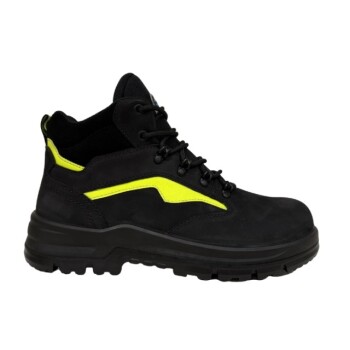
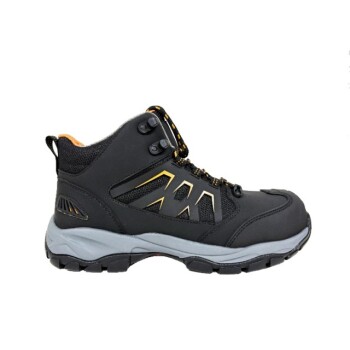
To protect workers in the demanding environment of sugar processing plants, toe-cap safety shoes utilize reinforced caps (typically steel) to shield feet from crushing injuries caused by falling heavy objects. Electrical insulation shoes function differently, providing a dielectric barrier that blocks the flow of electricity to prevent shocks during maintenance work in high-voltage zones.
Core Takeaway In industrial sugar processing, foot protection is not one-size-fits-all; it requires targeting specific mechanical and electrical threats. Toe-cap shoes provide a physical shield against impact and crushing, while electrical insulation shoes create a non-conductive barrier to isolate workers from live circuits.
The Mechanics of Protection
Sugar processing plants present a dual-threat environment: heavy machinery handling raw cane and complex electrical systems driving the automation. Understanding how safety footwear mitigates these risks is essential for site safety management.
Impact Protection: The Toe-Cap Barrier
The primary defense against mechanical injury is the toe-cap safety shoe.
These shoes feature a reinforced cap, often made of steel, integrated directly into the toe box.
This rigid structure acts as a shield, absorbing and deflecting the force of heavy objects—such as machinery parts or dense bundles of sugarcane—that might fall onto a worker's foot.
Electrical Safety: The Dielectric Layer
Electrical insulation shoes address a completely different hazard: the risk of electrocution.
These shoes are constructed with distinct dielectric layers designed to have high electrical resistance.
When a worker is performing maintenance on electrical panels or wiring, this footwear prevents the worker from becoming the "path to ground" for an electric current, effectively blocking the shock.
Puncture Resistance: The Metallic Midsole
While your question focused on toe caps and insulation, the primary reference highlights a critical third feature often paired with these technologies: the metallic midsole.
Sugar processing floors are frequently littered with sharp debris, including rigid sugarcane stalks or maintenance scrap like nails.
Safety shoes equipped with metallic midsoles prevent these sharp objects from piercing through the rubber sole and injuring the foot.
Understanding the Trade-offs
While specialized footwear is critical, it is important to recognize the limitations and potential downsides of each type.
Weight and Fatigue
Steel toe caps and metallic midsoles add significant weight to the shoe.
Prolonged use of heavy footwear can lead to increased fatigue for workers who stand for long shifts, potentially affecting agility and comfort.
Specificity of Protection
It is crucial to understand that electrical insulation shoes are not "anti-static" shoes; they are designed to isolate high voltage.
Conversely, shoes designed solely for mechanical protection (impact) may not offer sufficient electrical resistance.
Confusing these specifications can lead to catastrophic safety failures if a worker enters an electrical zone wearing conductive footwear.
Making the Right Choice for Your Environment
Selecting the correct safety footwear depends entirely on the specific zone within the sugar plant where the worker operates.
- If your primary focus is heavy machinery operation: Prioritize steel toe-cap shoes with metallic midsoles to protect against crushing weights and sharp sugarcane debris.
- If your primary focus is electrical maintenance: Ensure workers are equipped with electrical insulation shoes that act as a dielectric barrier against live currents.
- If your primary focus is general plant safety: Look for hybrid options that combine slip-resistant outsoles with impact protection to mitigate falls on wet, sugary surfaces.
Effective safety management relies on matching the specific engineering of the shoe to the precise hazard of the work zone.
Summary Table:
| Feature | Protective Mechanism | Primary Hazard Addressed | Common Material |
|---|---|---|---|
| Toe-Cap | Rigid structural shield | Falling objects & crushing forces | Steel or Composite |
| Electrical Insulation | Dielectric non-conductive barrier | Electric shocks & high-voltage contact | High-resistance Rubber/Polymer |
| Metallic Midsole | Puncture-resistant layer | Sharp debris & sugarcane stalks | Steel or Specialized Alloy |
| Slip-Resistant Sole | Enhanced surface friction | Wet, sugary, or slick floors | Specialized Rubber Compounds |
Partner with 3515 for Professional-Grade Industrial Protection
As a large-scale manufacturer serving global distributors and brand owners, 3515 offers comprehensive production capabilities for all footwear types, anchored by our flagship Safety Shoes series. Whether you are supplying sugar processing plants or heavy industrial sites, our extensive portfolio covers work and tactical boots, outdoor shoes, training shoes, and sneakers, as well as Dress & Formal shoes to meet your diverse bulk requirements.
We provide the technical expertise and manufacturing scale needed to protect workers from mechanical and electrical threats worldwide. Contact us today to discuss your bulk manufacturing needs and request a quote.
References
- Shinta Wati, Andung Jati Nugroho. Analisis Resiko Kecelakaan Kerja Dengan Metode Hazard Identification Risk Assessment & Risk Control (HIRARC). DOI: 10.55606/juprit.v2i3.2256
This article is also based on technical information from 3515 Knowledge Base .
Related Products
- Advanced KPU Athletic Safety Shoe with Steel Toe Cap Anti-Slip Rotary Lacing System
- Wholesale Safety Footwear Manufacturer for Bulk & Custom OEM Orders
- Premium Wheat Nubuck Safety Shoes for Bulk Distribution
- Wholesale Mesh Steel Toe Safety Shoes with Dial Closure Factory Production
- Durable Steel Toe Safety Boots Wholesale & Custom Manufacturing
People Also Ask
- What are the key differences between steel toe and composite toe caps? Choose the Right Safety for Your Job
- What impact do steel toe caps have on toe skin health? Prevent Friction and Pressure in Your Safety Shoes
- What are the primary protective functions of safety shoes with steel toes in the automotive repair industry?
- What type of safety shoe is recommended for workers exposed to heavy machinery? Steel Toe Boots for Ultimate Protection
- How does defining specific friction interface models in FEA assist in predicting safety shoe toe cap failure modes?