Technical touring motorcycle boots are engineered for high-mileage endurance, defined by a sophisticated integration of abrasion-resistant leather, waterproof membranes, and CE-certified impact protectors for the shins and ankles. Unlike race or dirt boots, they prioritize a strategic balance between rigid safety and ergonomic flexibility to ensure rider comfort during 10+ hour journeys.
For distributors and brand owners, the technical superiority of touring boots lies in their ability to meet rigorous international safety certifications while maintaining the manufacturing consistency required for high-volume, global supply chains.
Advanced Material Engineering
Since 1951, the evolution of touring footwear has centered on material durability and rider longevity. Modern large-scale manufacturing allows for the precision integration of heavy-duty leathers and synthetic composites.
High-Density Abrasion Resistance
The chassis of a premium touring boot is typically constructed from thick, treated leather or high-performance microfiber. These materials are selected for their ability to withstand high-speed friction and "road rash" during a slide.
Multi-Season Weather Shielding
Enterprise-level production utilizes advanced GORE-TEX or proprietary waterproof-breathable membranes. These layers are seam-sealed to ensure the boot remains dry in heavy rain while allowing perspiration to escape during high-temperature rides.
Thermal Regulation
To meet the needs of global distributors, boots often feature thermal linings or moisture-wicking 3D mesh. This versatility ensures the product is viable across diverse geographic markets and climate zones.
Safety Systems and Impact Defense
Safety is the core value proposition for any B2B reseller. State-of-the-art equipment now allows for the seamless insertion of protective hardware into the boot's structure without compromising its silhouette.
Reinforced Shin and Ankle Guards
Touring boots feature internal or external shields made of TPU (Thermoplastic Polyurethane) or composite materials. These components protect the tibia and malleolus from impact and crushing forces during a collision.
Structural Integrity and Torsion Control
The mid-sole is usually reinforced with a steel or plastic shank. This prevents the foot from flexing unnaturally during an accident while providing a stable platform on the motorcycle footpegs.
Oil-Resistant, High-Friction Soles
The outsole is engineered from specialized rubber compounds designed to provide maximum grip on wet, oily, or uneven surfaces. This is critical for supporting the weight of a heavy touring bike during stops.
Ergonomics and Operational Utility
For the long-distance rider, technical specs must translate into "wearability." Our OEM/ODM capabilities focus on the fine details that reduce rider fatigue and improve the user experience.
Secure Closure Mechanisms
High-volume designs often utilize a combination of heavy-duty YKK zippers and wide-area Velcro brand fasteners. This ensures a customizable fit that can accommodate different calf sizes and riding pants.
Anatomical Footbeds
Modern manufacturing incorporates EVA or memory foam insoles that support the arch and heel. This allows the rider to transition comfortably from the bike to walking without the need for a shoe change.
Strategic Flex Zones
Accordion-style expansion panels are placed at the Achilles and the top of the foot. These zones allow for a natural range of motion during gear shifting and braking, reducing the "break-in" period for the end-user.
Understanding the Trade-offs
While touring boots are the "all-rounders" of the industry, they involve specific engineering compromises that distributors must understand.
Protection vs. Weight
Increasing the thickness of armor improves safety but adds weight. Professional-grade manufacturing aims to optimize this ratio using lightweight composites to maintain all-day comfort.
Rigidity vs. Walking Comfort
A boot that is too stiff provides excellent crash protection but is difficult to walk in. Touring boots are designed with a "mid-flex" rating, which is safer than a casual shoe but less restrictive than a full-on racing boot.
Breathability vs. Waterproofing
While membranes are "breathable," they will never offer the same airflow as a fully perforated summer boot. This is why many brand owners offer both a "Waterproof" and an "Air" version of the same touring model.
Aligning Product Specs with Business Goals
Choosing the right technical specifications depends on your specific market segment and volume requirements.
- If your primary focus is Premium Market Dominance: Prioritize boots with branded waterproof membranes (like GORE-TEX) and full-grain leather to justify a higher price point and build brand prestige.
- If your primary focus is High-Volume Value: Focus on high-quality synthetic leathers and proprietary weatherproofing to offer a competitive "bang-for-buck" ratio for entry-level touring riders.
- If your primary focus is Adventure-Touring: Request deep-tread lug soles and additional lateral ankle reinforcement to cater to riders who split their time between pavement and gravel trails.
The technical excellence of a touring boot is the foundation of a reliable supply chain, ensuring that every pair delivered meets the uncompromising safety demands of the modern rider.
Summary Table:
| Feature | Technical Characteristic | Key Rider Benefit |
|---|---|---|
| Chassis | High-density leather or microfiber | Superior abrasion resistance and durability |
| Weatherproofing | Seam-sealed waterproof membranes | Dry comfort in heavy rain and breathability |
| Impact Armor | TPU shin and ankle guards | Targeted protection for vulnerable joints |
| Structural Support | Internal steel or plastic shanks | Prevents foot torsion and increases stability |
| Outsole | Oil-resistant, high-friction rubber | Secure grip on wet or oily surfaces |
| Ergonomics | Accordion flex zones & EVA footbeds | Reduced fatigue and natural range of motion |
Scale Your Brand with a Proven Manufacturing Partner
As a large-scale manufacturer serving global distributors and brand owners since 1951, 3515 offers the technical precision and production stability your business requires. Our state-of-the-art equipment and premium OEM/ODM capabilities ensure that every pair of boots—from specialized touring motorcycle footwear to our flagship Safety Shoes series—meets rigorous international certifications and consistent quality standards.
Beyond technical motorcycle gear, our extensive portfolio includes work and tactical boots, outdoor shoes, training sneakers, and formal footwear to meet your diverse bulk requirements. We prioritize robust supply chain stability and consistent large-volume delivery to help you maintain a competitive edge.
Ready to elevate your inventory with professional-grade footwear?
Contact 3515 Today to discuss your custom manufacturing needs and partnership opportunities!
Related Products
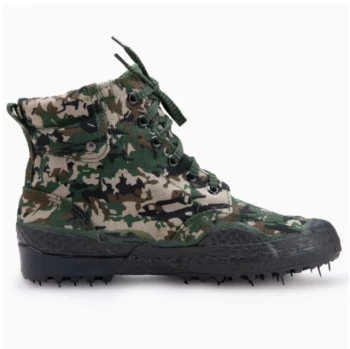
- Durable Spiked Camouflage Boots Wholesale & Factory Production
- Durable Goodyear Welt Leather Work Boots for Wholesale & Private Label
- Wholesale High-Traction Camo Boots - Custom Manufacturer for Brands
- Wholesale Tactical Boots High-Traction & Reflective for Bulk & Brand Orders
- Wholesale Waterproof Tactical Boots Custom Suede & High-Traction Soles
People Also Ask
- How does boot height affect waterproofing? Choose the Right Height for Ultimate Protection
- What are the best types of shoes for different gardening conditions? Find Your Perfect Match.
- What role does camouflage play in hunting boots? It's More Than Just a Pattern
- What should you look for to ensure boots are fully waterproof? The Essential 2-Part System
- How does boot construction affect waterproofing? The Science Behind Truly Dry Feet