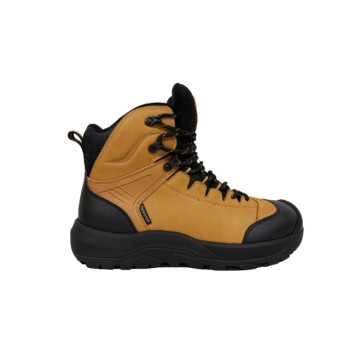
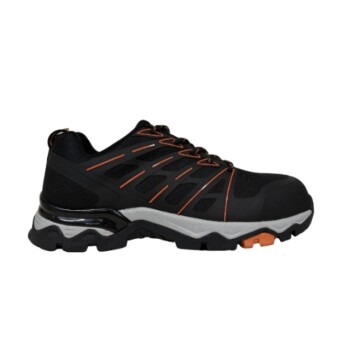
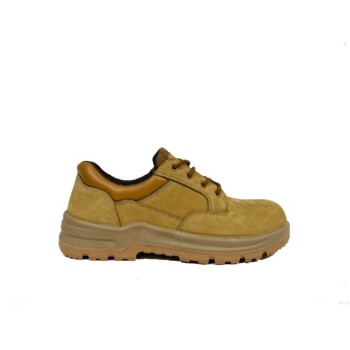
Insulated safety shoes function as a comprehensive shield against extreme thermal and electrical hazards by utilizing specialized barriers within the footwear’s construction. Specifically, they employ inner linings and outsoles made from materials like fiber, plastic, and encapsulated metals to thermally isolate the foot from high-heat sources and block the conduction of electrical currents in the event of accidental contact.
Core Takeaway Insulated safety shoes are not just physical shields; they are engineered isolation systems. Their primary function is to break the continuity of hazards—stopping the flow of heat energy from entering the boot and preventing electrical current from passing through the wearer to the ground.
Thermal Isolation Capabilities
Separating the Worker from the Heat Source
The defining feature of these shoes is their ability to isolate the wearer from industrial heat sources. In environments involving molten metals or high-temperature processing, standard footwear can conduct heat rapidly to the foot. Insulated shoes utilize specialized outsoles and linings to create a thermal break, significantly slowing heat transfer.
Specialized Material Composition
To achieve this isolation, manufacturers utilize distinct materials including fiber, plastic, and composite linings. These materials possess low thermal conductivity, meaning they resist absorbing heat from hot floor surfaces or accidental splashes, thereby preventing thermal burns and reducing heat stress.
Electrical Hazard Mitigation
Blocking the Path of Current
In electrical production environments, the greatest risk is the body becoming part of a live circuit. Insulated safety shoes are designed to block electrical current paths. By using non-conductive materials in the sole and upper construction, the shoe prevents electricity from traveling from a live wire or source, through the body, and into the ground.
Preventing "Grounding"
Unlike static-dissipative footwear (which allows a controlled flow of electricity to prevent sparks), insulated shoes act as a dielectric barrier. This is critical for workers who may accidentally step on live cables or equipment, as the shoe serves as the final line of defense against electrocution.
Integrated Physical Protection
Defense Against Punctures
High-heat and electrical environments rarely present only one hazard. These shoes incorporate puncture-resistant layers made from materials like steel, aluminum, or high-strength plastics. These components prevent sharp objects—such as nails, glass, or metal scrap—from penetrating the sole and injuring the foot.
Structural Integrity Under Stress
Beyond insulation, the footwear provides a robust physical barrier. This includes reinforced toe caps (steel or composite) to prevent crushing injuries from falling heavy objects. The construction is also designed to resist degradation from chemical solutions and oils often found in complex industrial settings.
Understanding the Trade-offs
Insulation vs. Static Build-up
A common pitfall is confusing insulated footwear with conductive or static-dissipative footwear. Because insulated shoes block electrical flow completely, they can cause static electricity to build up on the wearer's body. In environments where static sparks could trigger an explosion (e.g., around volatile chemicals), standard insulated shoes may actually introduce a new risk.
Heat Retention
The same insulation that keeps external heat out also keeps body heat in. In high-activity roles, this can lead to excessive sweating and foot discomfort. It is crucial to balance the level of insulation with moisture-wicking technologies to maintain long-term foot health.
Making the Right Choice for Your Goal
Select your footwear based on the most immediate threat in your specific environment:
- If your primary focus is preventing electric shock: Ensure the footwear is rated specifically as "Electrical Hazard" (EH) compliant to guarantee it effectively blocks current paths.
- If your primary focus is working on hot surfaces: Prioritize shoes with thick, high-density fiber or plastic outsoles designed to resist conductive heat transfer.
- If your primary focus is a mixed-hazard construction site: Choose a model that combines dielectric insulation with a puncture-resistant metal or composite midsole.
True safety comes not just from wearing the gear, but from understanding exactly which energy flows it is designed to stop.
Summary Table:
| Feature | Protective Capability | Primary Materials Used |
|---|---|---|
| Thermal Isolation | Blocks heat transfer from hot surfaces/molten metal | Fiber, specialized plastic, composite linings |
| Electrical Insulation | Prevents electrocution by blocking current paths | Non-conductive outsoles, EH-rated dielectric materials |
| Puncture Resistance | Prevents injuries from sharp metal/glass debris | Steel, aluminum, or high-strength plastic midsoles |
| Crush Protection | Shields toes from heavy falling objects | Steel or composite toe caps |
| Structural Integrity | Resists degradation from industrial oils and chemicals | Reinforced heavy-duty synthetic or leather uppers |
Secure Your Workforce with Premium Protective Footwear
At 3515, we understand that in high-stakes industrial and electrical environments, the right footwear is a critical lifeline. As a large-scale manufacturer serving global distributors and brand owners, we provide comprehensive production capabilities across all footwear types. Our flagship Safety Shoes series is engineered to exceed international standards for thermal isolation and electrical hazard protection.
Whether you need specialized work and tactical boots, outdoor shoes, or formal dress shoes for bulk requirements, our 3515 team delivers durability and precision. Partner with us to provide your customers with the ultimate shield against workplace hazards.
Ready to upgrade your inventory?
Contact 3515 Today for Bulk Orders & Custom Solutions
References
- Veena Priyanka, Fransisca Tiur Basaria. Minimizing Work Risks in Indonesia: A Case Study Analysis of Hazard Identification, Risk Assessment, and Risk Control Implementation. DOI: 10.1051/e3sconf/202342601017
This article is also based on technical information from 3515 Knowledge Base .
Related Products
- Premium Insulated Safety Boots and Shoes for Wholesale & Bulk Orders
- Premium Suede Sport Safety Shoes for Wholesale & Bulk Orders
- Premium KPU Injection Athletic Style Safety Shoes
- Premium Lightweight Safety Shoes for Wholesale & Bulk Orders
- Premium KPU Athletic Safety Shoes for Wholesale
People Also Ask
- What are the recommended insulation ratings for mild winter conditions? A Guide for Active & Stationary Workers
- How does insulation thickness correlate with temperature ranges? A Guide to Choosing the Right Warmth
- What insulation level is needed for severe cold and stationary work? 1200g or Higher is Essential
- What safety advantages do insulated boots offer beyond warmth? Dielectric Protection & Superior Grip
- How does fleece lining contribute to the warmth of insulated boots? Trapping Air for Superior Cold Protection