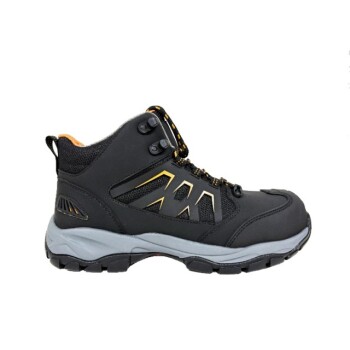
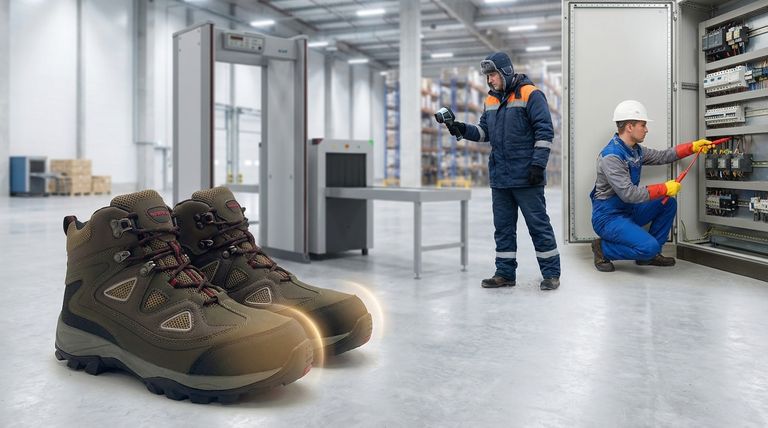
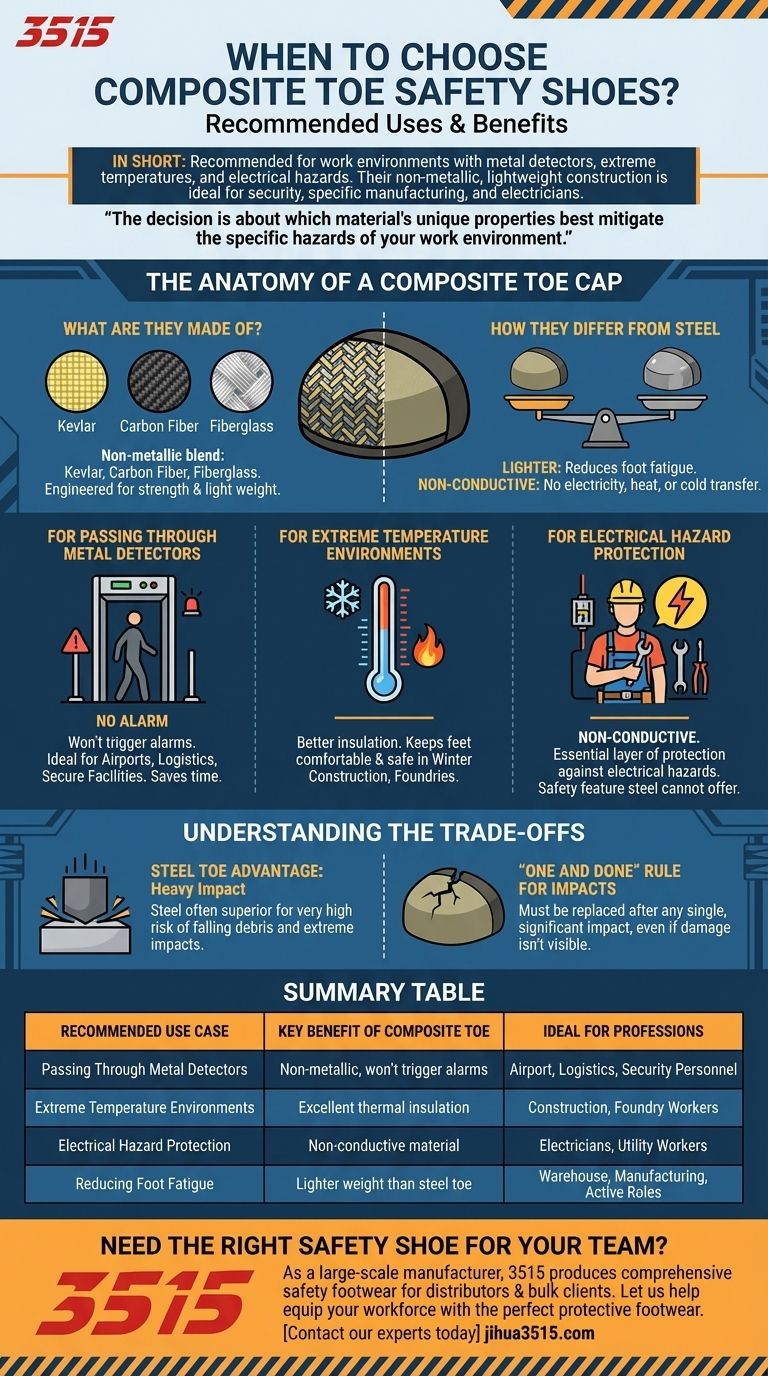
In short, composite toe safety shoes are recommended for work environments with metal detectors, extreme hot or cold temperatures, and where electrical hazards are a primary concern. Their lightweight, non-metallic construction makes them ideal for professionals in security, certain manufacturing roles, and electricians who need certified protection without the conductivity of steel.
The decision between composite and steel toe footwear is not about which is inherently superior, but about which material's unique properties best mitigate the specific hazards of your work environment.
The Anatomy of a Composite Toe Cap
What Are They Made Of?
Composite toe caps are crafted from a blend of non-metallic materials.
These advanced materials often include Kevlar, carbon fiber, and fiberglass, which are engineered to create a protective shell that is both strong and lightweight.
How They Differ from Steel
The primary difference is the absence of metal. This makes composite toe shoes significantly lighter than their steel toe counterparts, reducing foot fatigue over a long workday.
Because they are non-metallic, they do not conduct electricity, heat, or cold, offering distinct advantages in certain specialized environments.
When to Choose Composite Toe Shoes
For Passing Through Metal Detectors
The most common use case is for workers who must frequently pass through security checkpoints.
Jobs in airports, logistics, and secure facilities benefit greatly, as composite toes will not trigger metal detectors, saving significant time and hassle.
For Extreme Temperature Environments
Steel is an excellent conductor of thermal energy, meaning steel toe caps can become uncomfortably cold in freezing weather or dangerously hot in high-heat conditions.
Composite materials provide far better insulation, keeping your feet more comfortable and safe when working in extreme climates, from winter construction sites to foundries.
For Electrical Hazard Protection
For electricians or anyone working near live circuits, non-conductive footwear is critical.
Composite toe shoes provide an essential layer of protection against electrical hazards, a safety feature that conductive steel toes cannot offer.
Understanding the Trade-offs and Limitations
The Steel Toe Advantage: Heavy Impact
While composite toes meet ASTM safety standards for impact and compression, steel is often considered superior for environments with a very high risk of falling debris.
Job sites with heavy machinery or overhead hazards may specifically require steel toe shoes for their ability to withstand extreme impacts.
The "One and Done" Rule for Impacts
A critical factor for composite materials is their response to a significant impact. After a heavy object strikes the toe, the composite structure can be compromised even if no damage is visible.
For this reason, a composite toe shoe must be replaced after any single, significant impact to ensure it remains protective.
Matching Shoe Style to Your Environment
Beyond the Toe Cap
The protective toe is just one component. The overall style of the shoe should match your daily tasks.
Common Protective Styles
Boots offer ankle support, crucial for construction and manufacturing. Sneaker-style safety shoes provide flexibility and mobility for automotive or warehouse work. Slip-on shoes offer convenience in environments with fewer hazards.
Choosing the right style ensures you have the correct balance of protection, support, and comfort for your specific job.
Making the Right Choice for Your Job
Selecting the proper safety footwear requires a clear understanding of your daily risks.
- If your primary focus is working around metal detectors, in extreme temperatures, or near electrical hazards: Choose composite toe for its non-metallic, non-conductive, and insulating properties.
- If your primary focus is working in environments with a high risk of heavy falling objects: Steel toe is often the required standard and may provide superior protection against extreme impacts.
- If your primary focus is all-day comfort and reducing fatigue from walking: The lighter weight of composite toe shoes offers a significant advantage for active jobs.
Ultimately, the right safety shoe is the one that correctly aligns with the specific hazards you face every day.
Summary Table:
| Recommended Use Case | Key Benefit of Composite Toe | Ideal For Professions |
|---|---|---|
| Passing Through Metal Detectors | Non-metallic, won't trigger alarms | Airport, Logistics, Security Personnel |
| Extreme Temperature Environments | Excellent thermal insulation | Construction, Foundry Workers |
| Electrical Hazard Protection | Non-conductive material | Electricians, Utility Workers |
| Reducing Foot Fatigue | Lighter weight than steel toe | Warehouse, Manufacturing, Active Roles |
Need the Right Safety Shoe for Your Team?
As a large-scale manufacturer, 3515 produces a comprehensive range of safety footwear for distributors, brand owners, and bulk clients. Whether your primary concern is metal detectors, electrical hazards, or all-day comfort, our production capabilities encompass all types of composite toe shoes and boots designed to meet your specific safety standards.
Let us help you equip your workforce with the perfect protective footwear. Contact our experts today for a consultation and discover how we can support your business.
Visual Guide
Related Products
- Safety Footwear Wholesale Manufacturer for Custom OEM/ODM Production
- Wholesale Durable Safety Boots Manufacturer Customizable Steel Toe Work Boots
- Wholesale Mesh Steel Toe Safety Shoes with Dial Closure Factory Production
- Advanced KPU Athletic Safety Shoe with Steel Toe Cap Anti-Slip Rotary Lacing System
- Durable Steel Toe Safety Boots Wholesale & Custom Manufacturing
People Also Ask
- What are the key OSHA regulations for safety footwear? Ensure Compliance & Protect Your Workforce
- Why is high-load mechanical testing equipment necessary for safety footwear? Ensure Life-Saving Compression Resistance
- What does a red rectangle with a white C letter on safety footwear mean? Essential Guide to Conductive Footwear
- What is the difference between oil resistance and slip resistance in footwear? Protect Your Boots and Your Safety
- What are the basic requirements of the ASTM F2413-05 standard? Mandatory Impact & Compression Protection