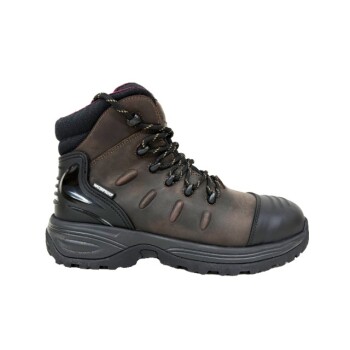
In light industry environments such as apparel production, anti-slip and wear-resistant industrial shoes serve as a critical defense against unique environmental hazards like accumulated fabric scraps and mechanical lubricants. These shoes utilize specialized material formulations and sole patterns to significantly increase friction, ensuring workers maintain balance while operating high-speed machinery or transporting heavy materials.
By maximizing the friction coefficient between the worker and the floor, these specialized shoes neutralize the risks of slick or obstructed surfaces, safeguarding both operator well-being and production continuity.
Identifying the Hazards in Apparel Production
Navigating Debris and Lubricants
Floors in cutting and sewing facilities are rarely pristine. They often accumulate layers of fabric scraps that act as slip hazards similar to ice.
Additionally, the maintenance of high-speed sewing equipment frequently results in mechanical lubricants spilling onto the floor, creating dangerous, low-friction zones.
How Protective Technology Works
Enhancing Friction Through Design
To counter these hazards, industrial footwear employs specialized rubber formulations designed to grip rather than slide.
This increases the static friction coefficient, which is the force required to keep a standing object—or a worker planting their foot—from slipping.
Advanced Drainage Patterns
The geometry of the outsole is just as critical as the material. These shoes feature complex multi-directional drainage patterns.
These patterns work to disperse liquid films (such as oil or water) quickly. By channeling fluids away, the shoe increases the direct contact area between the sole and the floor, stabilizing the worker's gait.
Operational Impact on Safety and Workflow
Stability Near High-Speed Machinery
In apparel manufacturing, workers often operate in close proximity to automated cutting and sewing machines.
A loss of balance in these zones can be catastrophic. Anti-slip footwear ensures the body positioning stability required to operate this equipment safely without accidental contact with moving parts.
Ensuring Production Continuity
Safety is directly tied to efficiency. Falls and sprains are primary causes of workforce disruption.
By preventing these common accidents, wear-resistant footwear helps ensure the continuity of the production process, minimizing downtime caused by injury-related absences.
Understanding the Limitations
The Impact of Clogging
While effective, these tread patterns are not self-cleaning. In apparel settings, small fabric scraps and threads can become impacted in the sole's grooves.
If the tread becomes filled with debris, the shoe loses its ability to channel liquids, significantly reducing its anti-slip capabilities.
Monitoring Wear Over Time
"Wear-resistant" does not imply "wear-proof." As the outsole material abrades over months of use, the depth of the drainage patterns decreases.
Once the tread wears down past a critical point, the shoe can no longer effectively disperse liquid films, necessitating immediate replacement to maintain safety standards.
Selecting the Right Footwear for Your Facility
To maximize safety in a light industry environment, you must align the footwear technology with your specific floor conditions.
- If your primary focus is liquid hazards: Prioritize shoes with complex drainage patterns to effectively disperse oil and lubricants.
- If your primary focus is dry debris (fabric/scraps): Prioritize shoes with deep, wide lugs that are less likely to become clogged with waste material.
Investing in the correct traction technology is not merely a safety precaution; it is a foundational element of a stable and efficient production line.
Summary Table:
| Feature | Protective Benefit | Impact on Production |
|---|---|---|
| High-Friction Rubber | Increases static friction on slick floors | Prevents slips and falls near machinery |
| Drainage Patterns | Disperses liquid films (oils/water) | Maintains gait stability in spill zones |
| Wear-Resistance | Extends the life of the tread depth | Ensures long-term safety and cost-efficiency |
| Stability Design | Supports body positioning | Minimizes downtime from workplace injuries |
Partner with 3515 for High-Performance Industrial Footwear
As a premier large-scale manufacturer, 3515 specializes in delivering high-durability footwear solutions for distributors and brand owners worldwide. We understand the unique challenges of light industry, offering comprehensive production capabilities that span from our flagship Safety Shoes and Work Boots to tactical gear and sneakers.
Our footwear is engineered to neutralize environmental hazards, ensuring your clients' workforces remain stable and productive. Whether you need bulk supplies of industrial safety shoes or specialized dress and formal footwear, 3515 provides the quality and scale your business demands.
Ready to elevate your product line with industry-leading traction technology?
Contact Us Today to Discuss Your Bulk Requirements
References
- Happy Nihayatul Afroh, Fransisca Tiur Basaria. Reducing Environmental and Health Risks in Construction Projects Through Hazard Identification and Risk Assessment. DOI: 10.1051/e3sconf/202338801028
This article is also based on technical information from 3515 Knowledge Base .
Related Products
- Durable Leather Moc Toe Work Boots for Wholesale & Custom Manufacturing
- Wholesale Durable 6-Inch Work Boots | Custom & Private Label Manufacturer
- Durable Goodyear Welt Leather Work Boots for Wholesale & Private Label
- Durable Leather Work Boots Wholesale Manufacturer & Custom Factory
- Premium Suede Sport Safety Shoes for Wholesale & Bulk Orders
People Also Ask
- What are moc toe work boots designed for? Superior Comfort and Mobility for Tradespeople
- What are the key features to look for when purchasing moc toe boots? A Guide to Durability & Fit
- How did moc toe boots originate? A Legacy of Workwear Durability and Style
- What clothing items complement the Outdoorsman/Heritage Look with moc toe boots? Build a Timeless, Rugged Wardrobe
- What types of outfits can moc toe boots be worn with? Versatile Style Guide