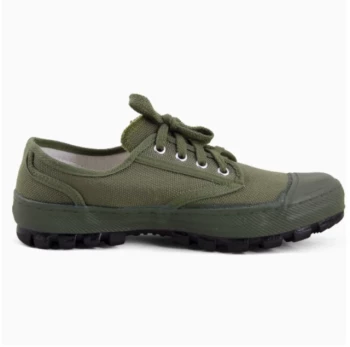
Professionally selected specialized work shoes differ from standard footwear by delivering structural optimizations tailored to specific industrial environments. While standard boots offer generic protection, specialized options for sectors like metalworking and construction integrate targeted physical safety features—such as enhanced oil or puncture resistance—with the prevention of occupational diseases like foot eczema.
Core Insight: The definitive advantage of specialized footwear is the simultaneous management of acute risk and chronic health. By aligning shoe structure with specific environmental hazards, these tools maximize operational safety while actively reducing cumulative skin damage and biomechanical stress.
Tailored Structural Optimization
Standard safety footwear often adopts a "one-size-fits-all" approach to protection. Specialized footwear, however, is engineered to counter the unique threats of high-risk environments.
Optimized for Metalworking
In metalworking environments, the primary threats are often chemical and fluid-based. Specialized shoes for this sector feature enhanced oil resistance.
This structural adaptation prevents the degradation of the sole and upper materials, maintaining traction and integrity even when exposed to harsh industrial lubricants.
Optimized for Construction
Construction sites present physical hazards related to debris and uneven terrain. Specialized footwear here prioritizes reinforced puncture resistance and support.
These features protect the foot from sharp objects while providing the structural rigidity necessary to navigate unstable ground without injury.
Integrating Health and Safety
The most overlooked advantage of professionally selected footwear is its role in preventing long-term occupational health issues.
Disease Prevention
Beyond preventing crushed toes, these shoes are designed to mitigate conditions such as foot eczema.
By managing the internal microclimate of the shoe, specialized designs reduce the likelihood of skin conditions caused by prolonged containment in harsh environments.
Reducing Cumulative Damage
Standard footwear may protect against a single accident, but often fails to address daily wear and tear on the body.
Specialized footwear focuses on maximizing the reduction of cumulative skin damage. This ensures that keeping a worker safe today does not result in chronic health issues tomorrow.
Biomechanical and Orthopedic Support
Incorporating orthopedic principles into work shoe design addresses the fatigue and muscular strain common in high-risk sectors.
Pressure Redistribution
Specialized designs often include features like widened toe boxes and reinforced heel stabilizers.
These elements work together to redistribute plantar pressure, preventing hotspots and ensuring stability during heavy lifting or repetitive movements.
Compensating for Muscular Imbalance
Long-term manual labor can sometimes lead to small muscle atrophy in the foot.
Targeted mechanical arch supports help compensate for these weight-bearing imbalances, maintaining proper foot alignment despite muscular fatigue.
Shock Absorption and Gait Efficiency
Advanced mechanical outsoles often function in tandem with internal orthotic liners.
This combination provides superior shock absorption and improves gait transition efficiency, significantly reducing the energy required to move and reducing stress on joints.
Understanding the Trade-offs
While specialized footwear offers superior protection, it is critical to understand the limitations inherent in highly specific equipment.
Specificity vs. Versatility
A shoe optimized for the oil resistance required in metalworking may lack the flexibility or breathability desired for light assembly tasks.
High specialization often means the footwear is less effective—or even uncomfortable—when used outside its intended environment.
Professional Selection is Mandatory
You cannot simply buy "better" shoes off the shelf to gain these benefits.
Realizing the advantages of biomechanical support and disease prevention requires professional selection to match the specific foot anatomy and environmental hazards. Incorrect selection of "specialized" gear can exacerbate physical issues rather than solve them.
Making the Right Choice for Your Goal
Selecting the correct footwear is a strategic decision that balances immediate safety with long-term preservation of the worker's health.
- If your primary focus is Metalworking Safety: Prioritize footwear with chemically engineered oil resistance to maintain traction and material integrity.
- If your primary focus is Construction Safety: Ensure the footwear offers reinforced puncture resistance and rigid ankle support for uneven terrain.
- If your primary focus is Occupational Health: Select shoes designed to mitigate skin damage and eczema through climate control and material selection.
- If your primary focus is Ergonomic Endurance: Look for orthopedic features like heel stabilizers and mechanical arch supports to manage plantar pressure.
True safety relies not just on armor, but on the intelligent integration of environmental protection and physiological support.
Summary Table:
| Feature | Standard Footwear | Specialized Work Shoes | Industrial Benefit |
|---|---|---|---|
| Material Resilience | Generic protection | Oil & chemical resistant | Prevents sole degradation in metalworking |
| Physical Protection | Basic toe caps | Reinforced puncture resistance | Protects against debris on construction sites |
| Skin Health | Standard containment | Climate-controlled interiors | Prevents occupational diseases like foot eczema |
| Ergonomics | Uniform cushioning | Orthopedic arch & heel support | Reduces muscular fatigue and joint stress |
| Pressure Distribution | Standard fit | Widened toe boxes & stabilizers | Redistributes plantar pressure for heavy lifting |
Elevate your workforce safety with 3515’s specialized footwear solutions. As a large-scale manufacturer serving distributors and brand owners, 3515 offers comprehensive production capabilities for all footwear types, anchored by our flagship Safety Shoes series. From oil-resistant metalworking boots to puncture-proof construction footwear, our portfolio includes tactical boots, outdoor shoes, and formal styles to meet your bulk requirements. Contact us today to access industry-leading durability and ergonomic design tailored to your specific market needs.
References
- Anja Hübner, Richard Brans. Programme for prevention of foot dermatoses in patients with work‐related skin diseases: Follow‐up data of a prospective cohort study (<scp>OCCUPES</scp>). DOI: 10.1111/cod.14453
This article is also based on technical information from 3515 Knowledge Base .
Related Products
- Durable Rubber-Soled Utility Shoes for Wholesale & Custom Brand Manufacturing
- Wholesale Breathable & Cushioned Training Shoes Custom Factory Production
- Wholesale Durable & Breathable Training Shoes for Custom Brands
- Custom OEM Training Shoes Wholesale Manufacturer Durable & Breathable
- Custom Safety Shoe Manufacturer for Wholesale & OEM Brands
People Also Ask
- Why are rubber-soled shoes considered multi-weather footwear? Unlock All-Season Traction & Protection
- Why should we wear rubber soled shoes? Unlock Superior Safety and Durability
- How do rubber soles affect a shoe's appearance? Defining Your Shoe's Style and Formality
- What are the types of rubber sole shoes available? Choose the Right Sole for Durability & Comfort
- When were rubber sole shoes invented? From 1800s Concept to Modern Mainstay