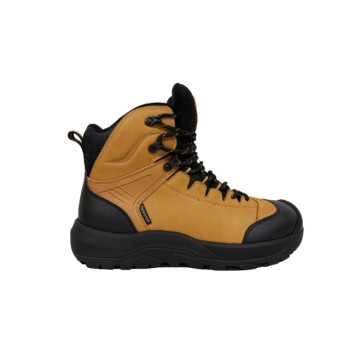
Specialized winter cycling boots represent a significant leap in performance over standard shoes paired with overshoes by offering integrated thermal management, superior moisture protection, and enhanced durability. While overshoes serve as a temporary barrier, dedicated winter boots are engineered from the ground up with internal waterproof membranes and specialized insulation layers that maintain foot warmth in temperatures as low as -15°C (5°F). For distributors and brand owners, these boots provide a high-value, reliable product that eliminates the mechanical failures and rapid wear common to external accessories.
The central takeaway: Specialized winter boots replace a multi-layered, failure-prone system with a single, high-performance unit. By integrating insulation and weatherproofing directly into the shoe's architecture, manufacturers deliver a product that is more durable, easier to operate in extreme cold, and better for maintaining blood circulation.
Superior Thermal Engineering and Moisture Management
Integrated Insulation Membranes
Unlike standard shoes that rely on an external neoprene layer, winter boots feature built-in thermal layers and waterproof membranes. This integrated approach prevents heat loss more efficiently by eliminating the gaps where wind and water typically penetrate a shoe-and-cover combination.
Optimized Internal Volume for Circulation
High-quality winter boots are designed with a roomier internal volume to accommodate thicker thermal socks without compressing the foot. Maintaining this "air space" is critical for thermal retention, as tight-fitting shoes can restrict blood flow and lead to numbness in sub-zero conditions.
Comprehensive Moisture Protection
Winter-specific models are engineered to block water ingress at the source using sealed seams and specialized gaiters. While overshoes often leave the sole and cleat area exposed to spray and slush, dedicated boots offer a unified barrier that keeps the foot dry during prolonged exposure to wet roads.
Engineering for Extreme Durability and Longevity
Structural Integrity of the Sole
Overshoes are notorious for rapid degradation, often suffering from sole wear and ripping when the rider walks. Specialized winter boots utilize rugged, weather-resistant outsoles designed for high-frequency use in harsh environments, significantly extending the product's lifecycle.
Premium Material Stability
Manufacturing these boots requires state-of-the-art equipment and high-grade materials that remain flexible and functional in freezing temperatures. This specialized construction ensures that the boots do not become brittle or lose their protective qualities over multiple seasons of heavy use.
Scalable OEM/ODM Production Quality
For B2B partners, the complexity of winter boot construction demands a manufacturer with a rich heritage and robust supply chain. Producing a boot that balances flex, insulation, and weight requires advanced technical expertise and consistent, large-volume delivery capabilities to meet international certifications.
Operational Efficiency and User Experience
Simplified Entry and Adjustment
Operating small buckles or stretching tight neoprene with cold, numb fingers is a major pain point for cyclists. Specialized boots utilize simplified closure systems that are easy to adjust even while wearing heavy gloves, providing a much-improved user experience compared to the struggle of fitting overshoes.
Weight and Aerodynamic Streamlining
While overshoes add bulk and can be cumbersome, a dedicated boot offers a streamlined profile that reduces weight and improves pedaling efficiency. This integration ensures that the shoe remains secure on the foot without the shifting or rubbing often associated with external covers.
Understanding the Trade-offs
Seasonal Limitation and Versatility
The primary drawback of specialized winter boots is their limited seasonal utility, as they are often too warm for use in temperatures above 10°C (50°F). While overshoes allow a rider to adapt their existing summer shoes to cold weather, winter boots require a higher initial investment for a single-purpose item.
Weight and Stiffness Considerations
To provide adequate insulation and protection, winter boots are generally heavier and less stiff than high-performance summer racing shoes. While this improves comfort and walking safety on icy surfaces, it may not satisfy riders who prioritize maximum power transfer above all other factors in the off-season.
Making the Right Choice for Your Goal
As a distributor or brand owner, selecting the right footwear category depends on your target market’s specific needs and the environmental conditions they face.
- If your primary focus is extreme cold performance (-5°C and below): Prioritize specialized winter boots with integrated membranes to ensure maximum customer satisfaction and product reliability.
- If your primary focus is value-driven commuters or mild climates: Stocking premium overshoes may be more appropriate, though they will require more frequent replacement cycles.
- If your primary focus is high-end brand positioning: Partner with a manufacturer capable of complex OEM/ODM winter boot production to offer a superior, long-lasting alternative to temporary accessories.
Investing in specialized winter footwear allows brands to provide a definitive solution for cold-weather cycling, backed by decades of manufacturing expertise and technical innovation.
Summary Table:
| Feature | Specialized Winter Boots | Standard Shoes + Overshoes |
|---|---|---|
| Thermal Management | Integrated membranes; rated to -15°C | External layer only; prone to heat gaps |
| Moisture Protection | Sealed seams & built-in gaiters | Partial coverage; vulnerable cleat area |
| Durability | Rugged, weather-resistant outsoles | High wear; prone to ripping/degradation |
| Internal Volume | Roomy for circulation & thick socks | Often tight; can restrict blood flow |
| User Experience | Easy glove-friendly closure systems | Difficult to fit and adjust in the cold |
| B2B Value | High-end positioning; long lifecycle | High replacement rate; entry-level value |
Elevate Your Product Line with 3515 Manufacturing Excellence
As a large-scale manufacturer serving distributors and brand owners since 1951, 3515 offers comprehensive production capabilities for all footwear types. Anchored by our flagship Safety Shoes series, our extensive portfolio includes high-performance tactical boots, outdoor shoes, and specialized cycling footwear designed to meet rigorous international certifications.
Why partner with 3515?
- Massive Production Scale: Robust supply chain stability for consistent large-volume delivery.
- Premium OEM/ODM Capabilities: Tailored engineering to meet your brand's specific performance standards.
- Technical Heritage: State-of-the-art equipment and decades of expertise in extreme-weather footwear.
Ready to secure a reliable supply of high-performance footwear? Contact us today to discuss your bulk requirements and discover how our manufacturing strength can drive your market growth.
Related Products
- Premium Insulated Safety Boots and Shoes for Wholesale & Bulk Orders
- Factory Direct Wholesale Rain Boots Durable Waterproof & Fully Customizable
- Durable Waterproof Rain Boots | Custom Manufacturer for Wholesale & Brands
- Heavy-Duty Waterproof Nubuck Safety Boots Safety Shoes for Bulk Supply
- Durable Goodyear Welt Leather Work Boots for Wholesale & Private Label
People Also Ask
- What are the recommended insulation ratings for mild winter conditions? A Guide for Active & Stationary Workers
- How does insulation thickness correlate with temperature ranges? A Guide to Choosing the Right Warmth
- What insulation level is needed for severe cold and stationary work? 1200g or Higher is Essential
- What safety advantages do insulated boots offer beyond warmth? Dielectric Protection & Superior Grip
- How does fleece lining contribute to the warmth of insulated boots? Trapping Air for Superior Cold Protection