
The most crucial features in shoes for all-day wear are a combination of exceptional cushioning, robust structural support, and a precise fit. These elements work together to absorb impact from hard surfaces, maintain proper body alignment, and prevent the fatigue and pain that come from being on your feet for extended periods.
The search for the perfect all-day shoe isn't about a specific brand or style. It's about understanding the core principles of foot mechanics and matching the shoe's engineering—its cushioning, support, and shape—to the unique demands of your feet and your day.
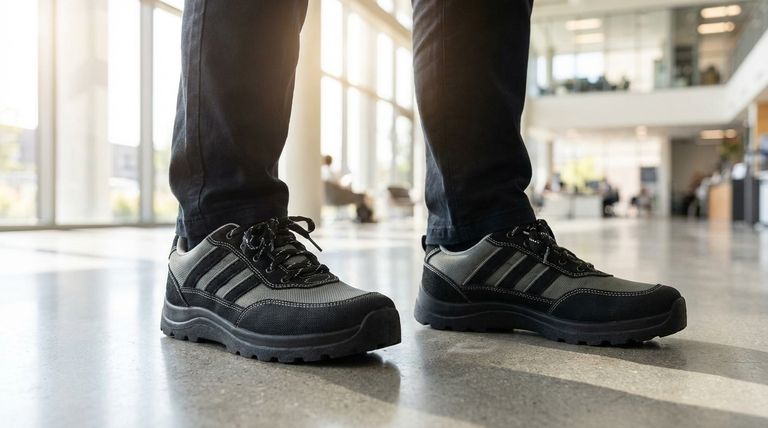
The Foundation: Cushioning and Shock Absorption
When you stand or walk on hard surfaces like concrete, your joints take a relentless pounding. The right cushioning acts as a suspension system for your body.
Why It Matters on Hard Surfaces
Every step sends a shockwave up your kinetic chain, from your feet to your knees, hips, and lower back. Proper shock absorption dissipates this force before it can cause strain and fatigue.
Key Materials to Look For
Look for midsoles made from high-quality foams like EVA (ethylene vinyl acetate) or shoes that incorporate gel-based cushioning systems. These materials are engineered to compress and rebound effectively, providing consistent protection throughout the day.
The "Rocker" Sole Advantage
Some of the most effective walking shoes feature a rocker-style sole. This is a slightly curved design that helps your foot roll smoothly from heel to toe, reducing the effort of each step and promoting a more natural, efficient gait.
The Blueprint for Alignment: Support and Structure
Cushioning absorbs impact, but support ensures your body remains properly aligned. Without adequate structure, even the softest shoe can lead to strain.
The Critical Role of Arch Support
Proper arch support is non-negotiable. A contoured footbed that matches the natural curve of your arch helps distribute your weight evenly, preventing the arch from collapsing and reducing strain on the plantar fascia.
A Wide, Stable Platform
The outsole of the shoe should provide a wide and stable base. This increases your stability, reduces the risk of ankle rolls, and provides a confident feeling with every step, especially when you're tired at the end of the day.
Heel Height: A Subtle Detail
For optimal alignment, the heel should have a slight elevation—at least 1/4-inch—but should not exceed 2 inches. This "heel drop" positions your body correctly without putting excessive pressure on the balls of your feet.
Getting the Fit Absolutely Right
A shoe can have world-class technology, but if it doesn't fit correctly, it will cause more problems than it solves.
Beyond the Number: Width and Toe Room
Pay close attention to the toe box. Your toes should have enough room to splay out naturally without being constricted. A cramped toe box can lead to blisters, bunions, and general discomfort.
The Best Time to Shop
Your feet naturally swell throughout the day. To ensure an accurate fit, always try on and purchase shoes in the afternoon or evening.
Accommodating Orthotics
If you use custom or over-the-counter orthotics, look for shoes with a removable insole. You may need to go up a half-size to ensure there is enough volume in the shoe to accommodate the insert without crowding your foot.
Understanding the Trade-offs
Choosing the right shoe often involves balancing competing features. Understanding these trade-offs is key to making an informed decision.
Breathability vs. Water Resistance
Materials like mesh offer superior breathability, keeping your feet cool and dry. However, materials like full-grain leather provide better durability and protection from the elements, often at the expense of airflow.
Maximum Cushioning vs. Stability
Extremely plush, soft cushioning can feel great initially, but it can sometimes lack stability. If you need a very stable platform, you may need to choose a shoe with slightly firmer foam that provides more structure.
Lightweight Design vs. Durability
A lightweight shoe can significantly reduce fatigue over a long day. However, this often comes from using less material, which can sometimes impact the shoe's long-term durability compared to a heavier, more robustly built option.
Making the Right Choice for Your Needs
Select your shoe based on the primary demands of your environment.
- If your primary focus is a professional or office setting: Prioritize a classic look with a supportive, removable footbed to allow for custom orthotics.
- If your primary focus is a service or industrial environment: Emphasize a certified slip-resistant outsole and durable, easy-to-clean upper materials.
- If your primary focus is general all-day comfort and commuting: Look for a lightweight design with excellent shock absorption and a breathable upper to manage temperature.
Ultimately, choosing the right footwear is a direct investment in your daily health and well-being.
Summary Table:
| Key Feature | Why It Matters | What to Look For |
|---|---|---|
| Cushioning & Shock Absorption | Absorbs impact from hard surfaces to protect joints. | High-quality EVA foam, gel systems, rocker soles. |
| Support & Structure | Maintains proper body alignment to prevent strain. | Contoured arch support, wide stable base, 1/4-2" heel. |
| Precise Fit | Prevents blisters and discomfort from poor fit. | Room in toe box, shop in the afternoon, removable insoles. |
| Material & Durability | Balances comfort with longevity for your environment. | Breathable mesh for comfort, leather for durability. |
Ready to Equip Your Team with Superior All-Day Comfort?
As a large-scale manufacturer, 3515 produces a comprehensive range of professional, industrial, and casual footwear designed specifically for the demands of walking and standing all day. We provide the perfect combination of advanced cushioning, structural support, and durable construction that your customers or employees need.
Our value to distributors, brand owners, and bulk clients includes:
- Expert Engineering: Shoes built on the core principles outlined above.
- Mass Production Capability: We can handle large orders for all types of shoes and boots.
- Customization Options: Tailor styles, materials, and features to your market's needs.
Let's discuss how we can become your trusted manufacturing partner. Contact our team today to request catalogs, discuss specifications, and get pricing for your next order.
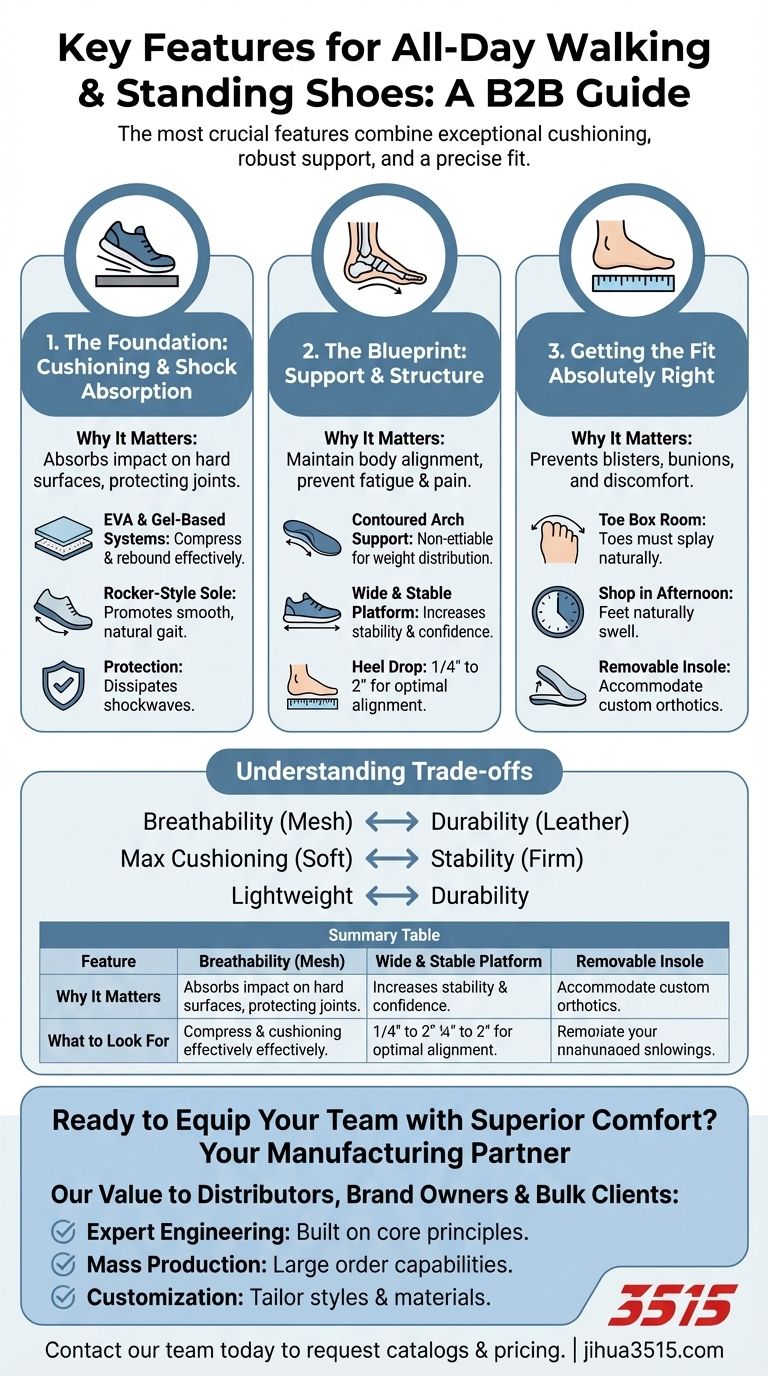
Visual Guide
Related Products
- Premium Suede Sport Safety Shoes for Wholesale & Bulk Orders
- Wholesale Durable Camouflage Canvas Shoes with High-Traction Cleated Rubber Sole
- Durable Rubber Sole Outdoor Shoes Wholesale & Custom Manufacturing
- Wholesale Durable Camo Canvas Shoes with High-Traction Rubber Soles
- Premium KPU Athletic Safety Shoes for Wholesale
People Also Ask
- What are the primary functions of professional safety shoes? Maximize Safety in Water Supply Confined Spaces
- What industries have specific OSHA footwear requirements? Ensure Compliance & Protect Your Workforce
- What role do specialized safety shoes play in preventing falls? Engineering Stability in Industrial Environments
- How does professional industrial cleaning equipment maintain the performance stability of safety shoes? Pro Maintenance
- How do gait analysis algorithms ensure accuracy in footwear? Master Step Length Precision for Boots & Sneakers



















