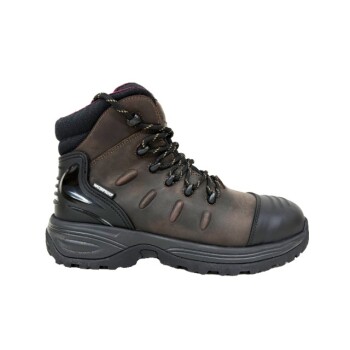
At their core, farm boots are specialized personal protective equipment designed to function in the uniquely demanding agricultural environment. They are defined by a combination of extreme durability, multi-faceted protection against physical and chemical hazards, and features that provide stability and comfort during long hours of intense labor on unpredictable terrain.
The defining characteristic of a farm boot is not a single feature, but its integrated system of protection. It is a tool engineered to shield you from the specific combination of impacts, chemicals, moisture, and uneven surfaces found in agricultural work.
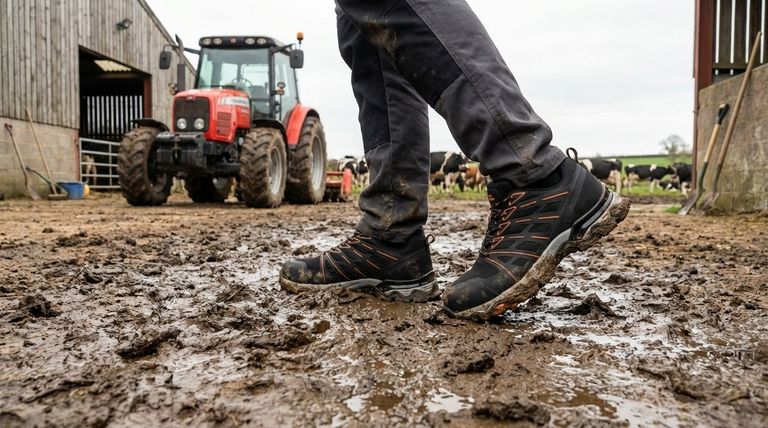
The Foundation: Protection and Durability
The primary role of a farm boot is to prevent injury and withstand constant abuse. This is achieved through a robust core construction focused on materials and structural support.
Unyielding Toe Protection
Many farm boots feature a steel or composite safety toe. This is a non-negotiable feature for anyone working around heavy equipment, livestock, or falling objects. It provides critical protection against crushing and impact injuries.
Rugged, Durable Materials
The boot's upper is built from materials designed for longevity, such as thick leather or advanced synthetics. Features like triple-stitching and coated rands ensure the boot can resist abrasion, scuffs, and tearing from daily exposure to rough surfaces.
Superior Ankle and Arch Support
Most farm boots are high-cut for a reason. This design provides essential ankle support to prevent twists and sprains on uneven or muddy ground. Many also feature reinforced arches or shanks for stability when climbing ladders or standing for extended periods.
Mastering the Unpredictable Environment
Beyond physical durability, a farm boot must equip the wearer to handle the variable conditions of a farm, from wet fields to slick concrete floors.
Essential Waterproofing
Effective waterproofing is paramount. Whether from morning dew, mud, rain, or cleaning solutions, keeping feet dry is crucial for comfort, health, and preventing blisters during long workdays.
Critical Slip Resistance
Farm surfaces are notoriously slippery, including wet mud, slick concrete, and hay-covered floors. A proper farm boot has a sole with a deep, aggressive tread pattern designed to provide maximum slip resistance and traction.
Vital Chemical Resistance
A key feature that distinguishes farm boots is their resistance to common agricultural chemicals. The materials used in both the upper and the sole are chosen to withstand degradation from exposure to fertilizers, pesticides, and animal waste.
Understanding the Trade-offs
Choosing the right boot involves balancing competing characteristics. No single boot is perfect for every task.
Weight vs. Protection
Heavily armored boots with steel toes and thick soles offer maximum protection. However, this reinforcement adds significant weight, which can lead to fatigue over a long day of walking.
Breathability vs. Waterproofing
A classic dilemma in footwear is balancing moisture protection. While a fully sealed rubber boot is completely waterproof, it offers zero breathability, which can be uncomfortable in warm weather. Boots with membranes like GORE-TEX offer a compromise but may not be as durable.
Flexibility vs. Support
A highly rigid boot with a steel shank provides excellent support for standing and climbing. This same rigidity can feel restrictive and uncomfortable for tasks that require crouching, kneeling, or significant agility.
Selecting the Right Boot for Your Work
Your specific daily tasks should dictate the features you prioritize.
- If your primary focus is livestock or dairy work: Prioritize 100% waterproofing, chemical resistance, and aggressive slip-resistance for wet, contaminated surfaces.
- If your primary focus is fieldwork and cultivation: Emphasize ankle support, all-day comfort for walking, and durable, puncture-resistant soles.
- If your primary focus is general maintenance and shop work: A steel toe for impact protection and a sole resistant to oils and chemicals are your most critical features.
Choosing the right farm boot is an investment in your safety, comfort, and daily productivity.
Summary Table:
| Key Characteristic | Primary Benefit | Ideal For |
|---|---|---|
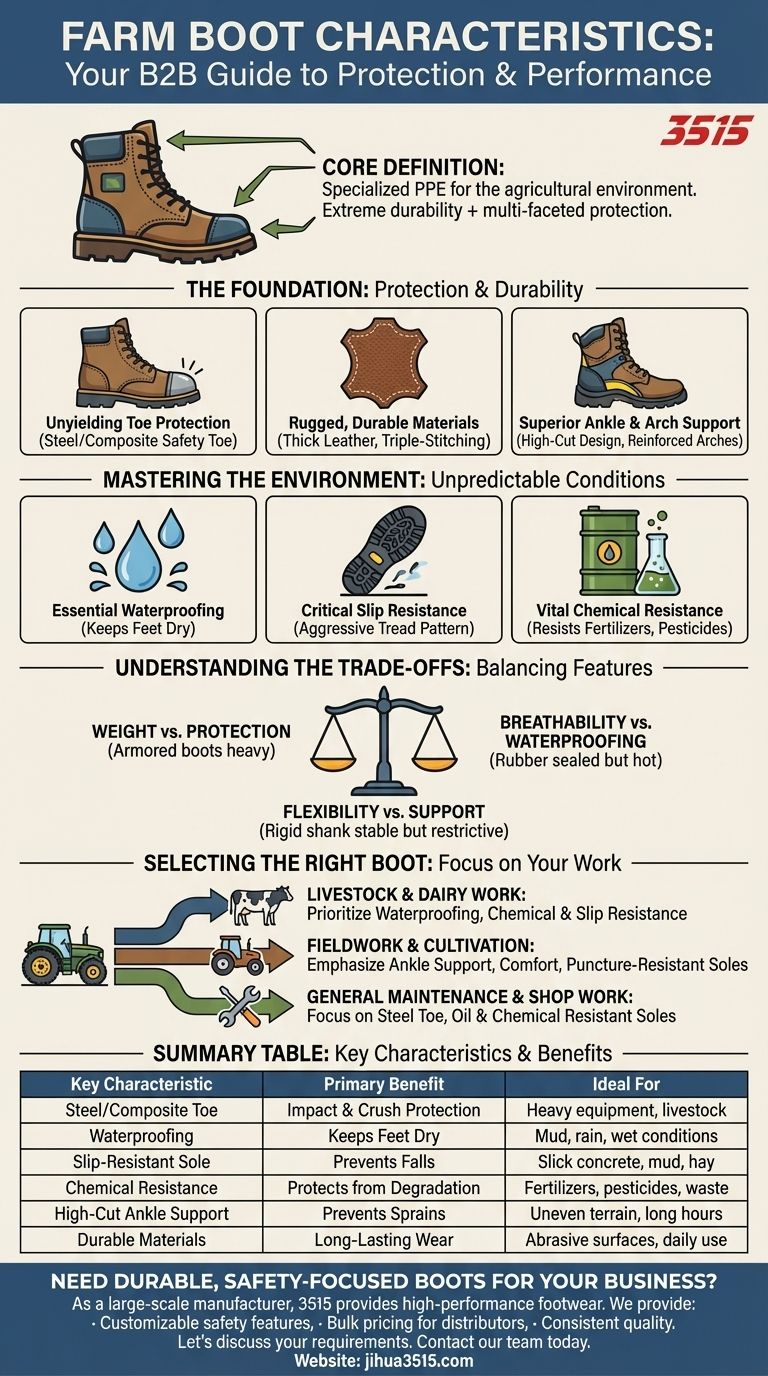
| Steel/Composite Toe | Impact & Crush Protection | Heavy equipment, livestock |
| Waterproofing | Keeps Feet Dry | Mud, rain, wet conditions |
| Slip-Resistant Sole | Prevents Falls | Slick concrete, mud, hay |
| Chemical Resistance | Protects from Degradation | Fertilizers, pesticides, waste |
| High-Cut Ankle Support | Prevents Sprains | Uneven terrain, long hours |
| Durable Materials (e.g., Leather) | Long-Lasting Wear | Abrasive surfaces, daily use |
Need Durable, Safety-Focused Farm Boots for Your Business?
As a large-scale manufacturer, 3515 produces a comprehensive range of high-performance footwear for distributors, brand owners, and bulk clients. Our farm boots are engineered with the key characteristics you need: superior protection, unmatched durability, and all-day comfort for the agricultural sector.
We provide:
- Customizable safety features (steel toe, waterproofing, etc.)
- Bulk pricing for distributors and large-volume orders
- Consistent quality and reliable supply chains
Let's discuss your specific requirements. Contact our team today to get a quote or request samples!
Visual Guide
Related Products
- Durable Leather Work Boots for Wholesale & Custom Manufacturing
- Durable Leather Work Boots for Wholesale & Custom OEM Manufacturing
- Durable Leather Moc Toe Work Boots for Wholesale & Custom Manufacturing
- Premium Oil Wax Leather Safety Boots for Bulk Purchase
- Wholesale Leather Work Boots with Customizable Wedge Sole for Brands
People Also Ask
- What is the difference between full-grain and top-grain leather? Premium Material Guide for Boot Manufacturers
- What are the common workplace hazards that can be mitigated with the right work boots? Protect Your Workforce
- What are the common foot issues workers face due to uncomfortable work boots? Prevent Pain & Deformities
- What are the advantages of leather versus synthetic work boots? A Guide to Choosing the Right Material
- What are the key components of modern work boots? Engineered for Ultimate Durability and Comfort