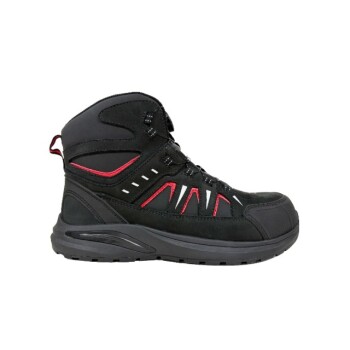
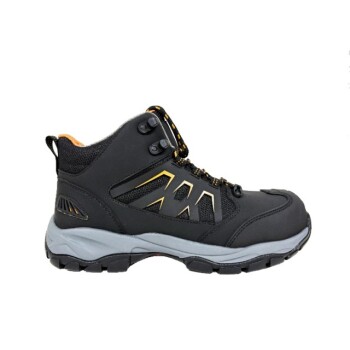
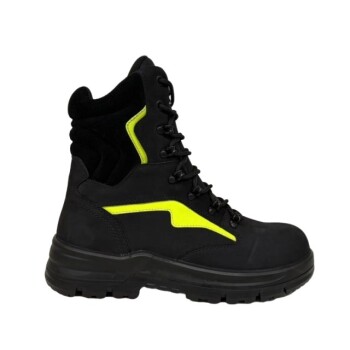
The mandate for steel toe protection is driven by the extreme physical forces present in the loading environment. During the metal raw material loading process, workers face a critical risk of heavy objects falling or shifting. Professional safety shoes with steel or composite toe caps are required because they provide a necessary physical barrier against high-pressure impacts and squeezing forces from heavy metal blocks, preventing fractures and disabling injuries.
The loading of raw metal materials creates a high-probability environment for impact and compression injuries. Steel toe protection functions as an essential mechanical shield, absorbing crushing forces that would otherwise destroy the foot’s bone structure.
The Mechanics of the Hazard
The Risk of High-Pressure Impact
According to Fault Tree Analysis (FTA), the loading phase is the most critical period for foot safety. This process involves the movement of massive metal blocks that can fall unexpectedly.
Without protection, the kinetic energy of a falling metal block is transferred directly to the foot. The resulting impact causes immediate, catastrophic damage to soft tissue and bone.
Squeezing Forces and Compression
The danger is not limited to falling objects; it also includes compression risks. During loading, materials may shift, creating squeezing forces between heavy items or machinery.
Standard footwear offers zero resistance to these lateral pressures. Safety shoes are engineered to withstand this specific type of high compression without collapsing.
How the Protection Works
The Physical Barrier Principle
Safety shoes utilize a built-in cap, typically made of steel or advanced composite materials, to cover the toe area.
This cap acts as a rigid shell. When an object strikes the shoe, the cap absorbs and redistributes the energy, preventing the object from making contact with the toes.
High Compression Resistance
The materials used in these toe caps are selected specifically for their compression resistance.
They are tested to ensure they maintain their structural integrity under extreme weight. This ensures the "survival space" for the toes remains intact even when under a heavy load.
Secondary Environmental Factors
Traction on Complex Surfaces
While impact protection is the primary driver, the loading environment often presents stability challenges. Floors in raw material handling areas may be slippery due to scattered debris or cleaning operations.
Industrial-grade safety shoes address this with superior anti-slip outsoles. This enhances traction, reducing the likelihood of falls that could lead to other injuries near heavy machinery.
Traffic and Machinery
These environments are often shared with heavy vehicles and large machinery.
The reinforced structure of professional safety shoes provides a level of defense against injuries caused by vehicle traffic or accidental contact with machine parts.
Understanding the Limitations
PPE is the Last Line of Defense
It is critical to remember that personal protective equipment (PPE) like steel toe shoes is the final barrier, not the solution to the hazard itself.
Relying solely on shoes without proper loading protocols is a common pitfall. The shoes mitigate damage after an accident occurs; they do not prevent the heavy block from falling in the first place.
The Necessity of Proper Identification
Not all safety shoes are built for the same level of risk. A common mistake is assuming any "work boot" offers sufficient protection for metal loading.
Employers must identify these high-risk areas specifically. They must ensure the compression rating of the footwear matches the weight of the raw materials being handled.
Making the Right Choice for Your Goal
If your primary focus is Regulatory Compliance:
- Ensure high-risk zones are clearly identified and that mandatory foot PPE signage is visible at all entrances and exits to enforce usage.
If your primary focus is Worker Safety:
- Select footwear that combines high compression-rated steel/composite caps with anti-slip soles to address both impact and environmental stability risks.
If your primary focus is Risk Management:
- Utilize Fault Tree Analysis (FTA) to map out loading procedures, ensuring that footwear is treated as a redundancy measure rather than the only safety control.
Professional safety shoes transform a potentially career-ending crushing injury into a survivable incident.
Summary Table:
| Hazard Type | Protective Mechanism | Benefit for Workers |
|---|---|---|
| High-Pressure Impact | Steel/Composite Toe Cap | Absorbs kinetic energy from falling metal blocks |
| Squeezing/Compression | Rigid Toe Shell | Maintains 'survival space' under heavy material loads |
| Slippery Surfaces | Anti-slip Outsoles | Enhances traction to prevent falls in loading zones |
| Heavy Machinery Traffic | Reinforced Structure | Protects against accidental contact with vehicles |
| Lateral Pressure | Structural Integrity | Prevents footwear collapse during material shifts |
Secure Your Workforce with 3515 High-Performance Safety Footwear
In high-risk metal handling environments, the right footwear is the difference between a minor incident and a life-altering injury. As a premier large-scale manufacturer serving global distributors and brand owners, 3515 delivers the mechanical protection your clients demand.
Our flagship Safety Shoes series is engineered to exceed rigorous compression and impact standards, ensuring maximum toe protection. Beyond safety boots, our comprehensive production capabilities include:
- Tactical & Work Boots for rugged industrial use.
- Outdoor & Training Shoes for versatile performance.
- Sneakers & Dress Shoes for diverse bulk procurement needs.
Partner with a manufacturer that understands heavy-duty requirements. Contact us today to discuss your bulk production needs and custom safety specifications!
References
- Syahrul Faiz, Ferida Yuamita. Identifikasi Potensi Bahaya pada Area Peleburan Logam Menggunakan Metode Hazard Identification Risk Assesment And Risk Control (HIRARC) dan Fault Tree Analysis (FTA) di CV. Barokah Logam Sejahtera. DOI: 10.56799/jim.v2i8.2007
This article is also based on technical information from 3515 Knowledge Base .
Related Products
- Durable Steel Toe Safety Boots Wholesale & Custom Manufacturing
- Wholesale Mesh Steel Toe Safety Shoes with Dial Closure Factory Production
- Heavy Duty Nubuck Safety Boots Safety Shoes for Global Distribution
- Advanced KPU Athletic Safety Shoe with Steel Toe Cap Anti-Slip Rotary Lacing System
- Premium Wheat Nubuck Safety Shoes for Bulk Distribution
People Also Ask
- Why are industrial safety boots with steel toes necessary for machine operators? Essential Foot Protection for Safety
- What are the main materials used in steel toe safety shoes? A Guide to Protective Footwear Construction
- What are the characteristics of steel toe safety boots? Maximum Protection, Key Trade-offs
- Is it true that steel toes can cause toes to get cut off? Debunking the Dangerous Myth
- What industries are steel toe boots commonly used in? Essential Foot Protection for High-Risk Work