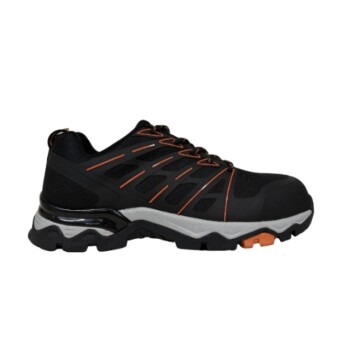
Shock-absorption technology in safety footwear functions as a kinetic energy management system. By utilizing high-performance cushioning materials, these shoes convert the sudden impact forces of a fall into dissipated energy. This mechanism significantly reduces the peak force transmitted to the skeletal system, directly lowering the probability of severe physical damage such as bone fractures or acute skeletal trauma.
The core function of shock-absorbing safety footwear is to act as a mechanical buffer that intercepts and redistributes impact energy. This process protects the body from both immediate catastrophic failure and the cumulative damage caused by repetitive stress.
The Mechanics of Kinetic Energy Dissipation
Converting Impact into Dissipated Energy
When a fall occurs, the body generates a high level of kinetic energy that must be absorbed upon landing. Specialized cushioning materials in safety shoes act similarly to height-reduction safety equipment by converting this energy into heat or internal material deformation.
Minimizing Force Transmission
The primary goal of this technology is to lower the "load rate" or the speed at which force hits the body. By extending the duration of the impact even by milliseconds, the footwear ensures that the force transmitted to the wearer remains below the threshold of bone breakage.
Reducing the Severity of Acute Trauma
By managing these forces, the footwear protects the internal architecture of the foot and lower limbs. This is critical in preventing high-impact injuries like shattered metatarsals or compound fractures during a sudden drop or trip.
Protecting the Skeletal Structure from Failure
Distributing Concentrated Stress
In standard footwear, impact forces often concentrate on specific points like the heel or the ball of the foot. Shock-absorption technology creates a physical barrier that spreads these forces across a larger surface area, including the tibia, fibula, and metatarsals.
Preventing Fatigue-Related Micro-Cracks
Stress fractures often occur when muscle fatigue leads to concentrated stress on the bone tissue. Advanced safety footwear supports the muscles and reduces the direct impact, which helps prevent the formation of localized micro-cracks in the bone.
Delaying Tissue Fatigue Failure
By reducing the constant vibration and minor impacts of a work environment, these materials delay the time it takes for bone tissue to reach its "fatigue failure" point. This provides a vital layer of protection against long-term, chronic injuries that can be just as debilitating as a fall.
Understanding the Trade-offs and Limitations
The Risk of Material Compression
All shock-absorbing materials have a finite lifespan and will eventually "bottom out" or lose their resiliency. Once the cushioning cells are permanently compressed, the footwear loses its ability to dissipate energy, making regular replacement essential for safety.
Stability vs. Cushioning
There is often a trade-off between extreme cushioning and ankle stability. Excessively soft soles can decrease proprioception—the body’s ability to sense its position—potentially increasing the risk of "over-turning" an ankle on uneven surfaces.
Weight and Bulk
High-performance shock-absorbing components can sometimes add weight or bulk to a shoe. While they provide superior protection, users must ensure the footwear remains light enough to prevent the very muscle fatigue that contributes to injury risk.
How to Apply This to Your Safety Strategy
When selecting safety footwear, you must match the technology to the specific physical demands of your environment.
- If your primary focus is preventing acute fall injuries: Prioritize footwear with thick, high-energy-return midsoles that are specifically rated for impact dissipation.
- If your primary focus is long-term skeletal health: Look for boots featuring impact-absorbing insoles that target the metatarsals and help distribute weight evenly to prevent stress fractures.
By understanding how energy dissipation works, you can choose footwear that transforms a potentially life-altering impact into a manageable event.
Summary Table:
| Feature | Mechanism of Action | Injury Prevention Benefit |
|---|---|---|
| Energy Dissipation | Converts impact force into heat/deformation | Lowers peak force transmitted to bones |
| Load Rate Reduction | Extends the duration of the impact | Prevents metatarsal and compound fractures |
| Stress Distribution | Spreads force across the entire sole | Reduces localized pressure on heels and balls |
| Vibration Damping | Absorbs constant micro-impacts | Delays tissue fatigue and stress fractures |
Secure Your Workforce with Advanced Protection from 3515
As a premier large-scale manufacturer serving global distributors and brand owners, 3515 provides cutting-edge footwear solutions engineered for maximum impact protection. Our flagship Safety Shoes series utilizes high-performance kinetic energy management systems to safeguard your team against acute trauma and long-term skeletal damage.
From rugged work and tactical boots to high-performance sneakers and formal dress shoes, 3515 offers comprehensive production capabilities to meet your specific bulk requirements and safety standards.
Ready to upgrade your inventory with superior shock-absorption technology?
Contact us today to discuss your bulk manufacturing needs
References
- Manonita Ghosh, Linda L. Coventry. A retrospective cohort study of factors associated with severity of falls in hospital patients. DOI: 10.1038/s41598-022-16403-z
This article is also based on technical information from 3515 Knowledge Base .
Related Products
- Premium Suede Sport Safety Shoes for Wholesale & Bulk Orders
- Premium Lightweight Safety Shoes for Wholesale & Bulk Orders
- Wholesale Anti-Smash & Puncture-Proof Safety Shoes Custom Manufacturing for Brands
- Premium KPU Injection Athletic Style Safety Shoes
- Premium Safety Shoes with Rotating Buckle Safety Sneakers
People Also Ask
- What industries have specific OSHA footwear requirements? Ensure Compliance & Protect Your Workforce
- What are the primary functions of professional safety shoes? Maximize Safety in Water Supply Confined Spaces
- What role do specialized safety shoes play in preventing falls? Engineering Stability in Industrial Environments
- How do the 3R principles influence green footwear design? Master Sustainable Safety Shoe Manufacturing
- What are the main components of safety shoes? A Guide to Protective Footwear Design