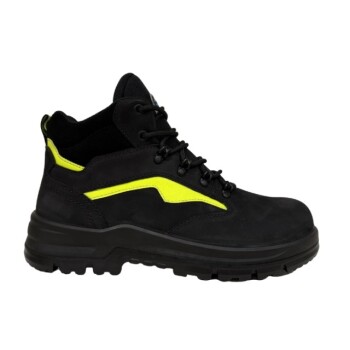
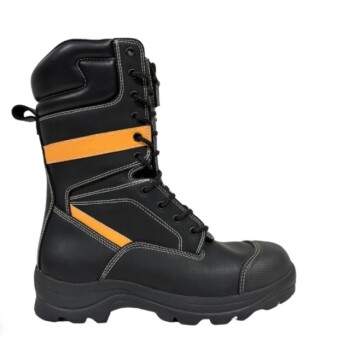
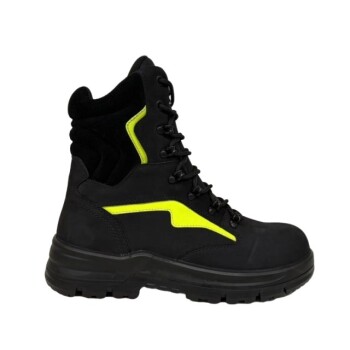
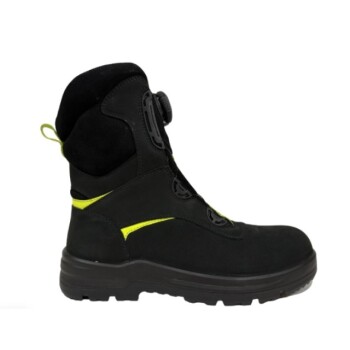
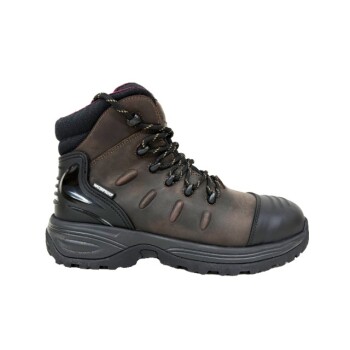
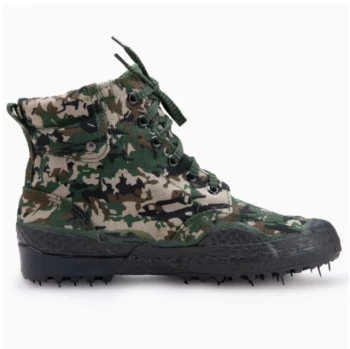
The fundamental benefit of waterproof boots is their ability to provide an impermeable barrier against external moisture. This core function keeps your feet dry in wet, snowy, or muddy conditions, which is the foundation for maintaining foot health, comfort, and safety in challenging environments.
While the immediate goal is to keep water out, the deeper purpose of waterproof boots is to manage the environment inside your boot. This protects your feet from a range of health issues, but this protection often comes at the cost of reduced breathability.
The Core Function: A Barrier Against Moisture
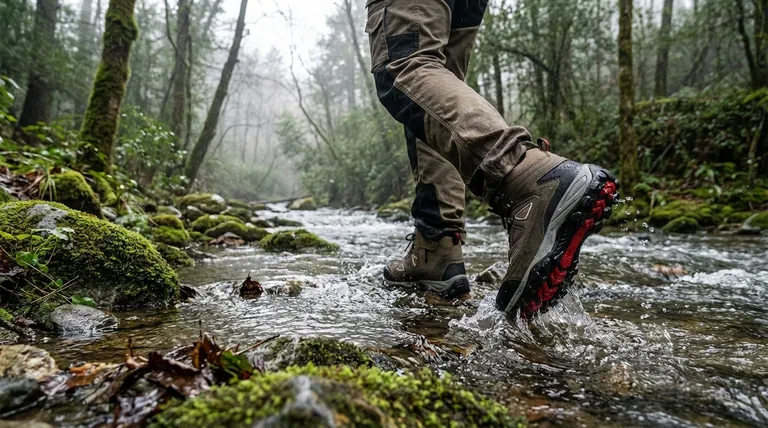
Waterproof boots are engineered with specific materials and construction methods to prevent water from penetrating the boot's interior. This is their primary and most critical purpose.
Keeping Feet Dry in Any Weather
Whether you're crossing a stream, walking through wet grass, or navigating slushy city streets, a waterproof boot is designed to keep your feet completely dry from external sources like rain, snow, and puddles.
The Role of Liners and Sealed Seams
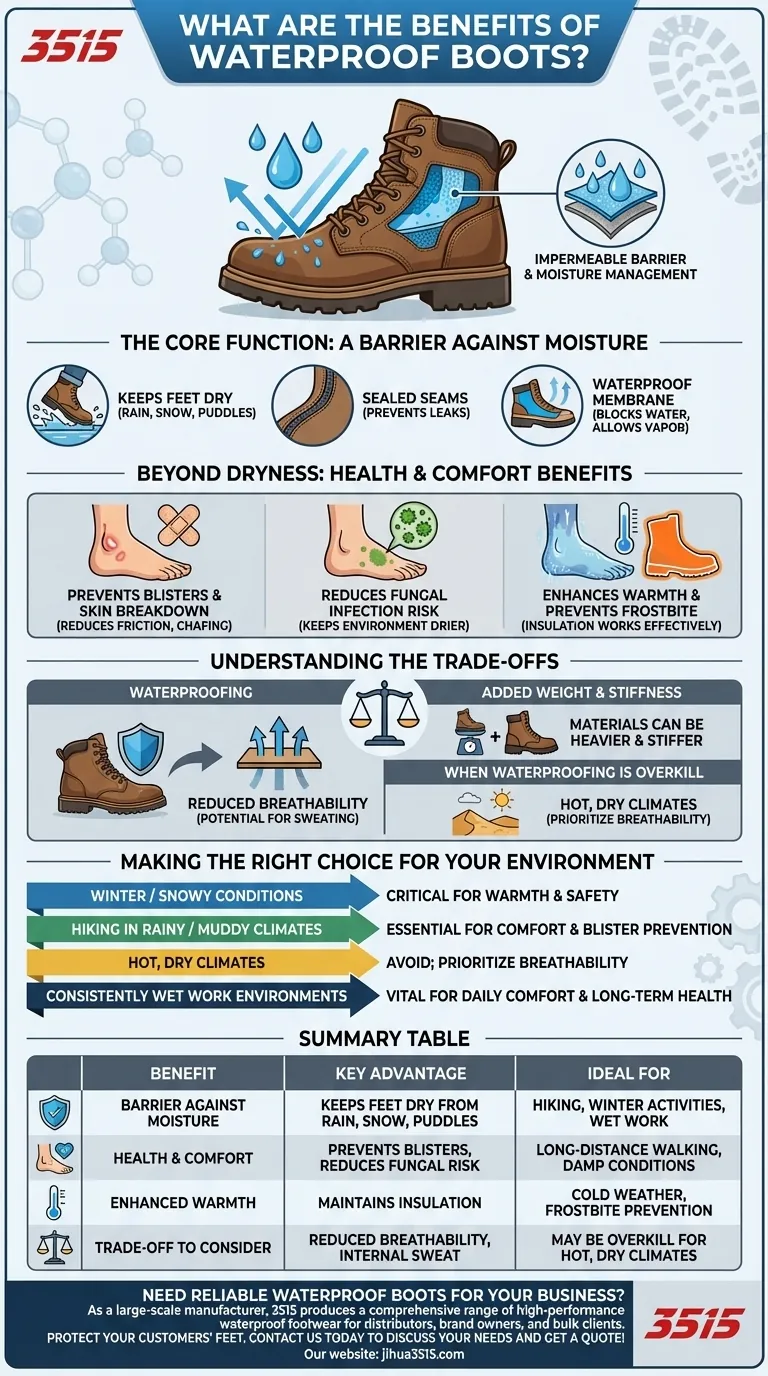
True waterproofing is achieved through more than just the outer material. It often relies on an internal waterproof membrane, like a Gore-Tex liner, that blocks water molecules from entering but allows smaller vapor molecules (sweat) to escape. Additionally, sealed seams are critical, as they prevent water from leaking through the stitching.
Beyond Dryness: Health and Comfort Benefits
Keeping your feet dry is about much more than just avoiding the squishy feeling of a wet sock. It has direct implications for your health and overall comfort.
Preventing Blisters and Skin Breakdown
Wet skin becomes soft, fragile, and far more susceptible to friction. This dramatically increases the likelihood of developing painful blisters and chafing, which can stop a hike or workday in its tracks.
Reducing the Risk of Fungal Infections
Damp, warm environments are the ideal breeding ground for fungus. Consistently wet feet can lead to chronic issues like athlete's foot. A waterproof boot helps maintain a drier internal environment, protecting your long-term foot health.
Enhancing Warmth and Preventing Frostbite
In cold weather, moisture is the enemy of warmth. A wet foot loses heat exponentially faster than a dry one, which can lead to discomfort and, in severe cases, frostbite. By keeping feet dry, waterproof boots ensure that any insulation they have can work effectively.
Understanding the Trade-offs
No technology is perfect, and waterproofing comes with important compromises that are critical to understand before you make a choice.
The Breathability Problem
The single biggest downside to a waterproof boot is reduced breathability. While membranes are designed to let sweat vapor escape, they are always less breathable than a non-waterproof alternative. In hot and dry conditions, this can cause your feet to overheat and become sweaty from the inside.
The Impact of Added Weight
The materials and construction required for effective waterproofing, such as membranes and sealed seams, can make the boots heavier and stiffer than their non-waterproof counterparts. This can lead to increased fatigue over long distances.
When Waterproofing is Overkill
In arid climates or for activities on dry, well-maintained trails, a waterproof boot is often unnecessary. A more breathable, non-waterproof boot will provide superior comfort by allowing sweat to evaporate much more efficiently.
Making the Right Choice for Your Environment
The decision to choose a waterproof boot should be based entirely on the conditions you expect to face.
- If your primary focus is winter or snowy conditions: Waterproofing is non-negotiable for staying warm and preventing serious cold-related foot injuries.
- If your primary focus is hiking in rainy or muddy climates: A waterproof boot is essential for preventing blisters and maintaining comfort over long distances.
- If your primary focus is activity in hot, dry climates: Prioritize breathability; a waterproof boot will likely cause more discomfort from sweat than it prevents from external moisture.
- If you work in consistently wet environments: Waterproofing is a critical feature for protecting your daily comfort and long-term foot health.
Ultimately, choosing the right footwear begins with an honest assessment of your environment and activity.
Summary Table:
| Benefit | Key Advantage | Ideal For |
|---|---|---|
| Barrier Against Moisture | Keeps feet dry from rain, snow, and puddles | Hiking, winter activities, wet work environments |
| Health & Comfort | Prevents blisters and reduces risk of fungal infections | Long-distance walking, daily use in damp conditions |
| Enhanced Warmth | Maintains insulation by keeping feet dry | Cold weather, preventing frostbite |
| Trade-off to Consider | Reduced breathability can lead to internal sweat | May be overkill for hot, dry climates |
Need reliable waterproof boots for your business? As a large-scale manufacturer, 3515 produces a comprehensive range of high-performance waterproof footwear for distributors, brand owners, and bulk clients. Our production capabilities ensure durable, comfortable boots designed for harsh conditions. Protect your customers' feet with our quality-assured products. Contact us today to discuss your needs and get a quote!
Visual Guide
Related Products
- Premium Wholesale Waterproof Safety Boots High Performance Protection for Industrial Markets
- High Performance Fire-Retardant Waterproof Safety Boots
- Wholesale Premium Waterproof Nubuck Safety Shoes Boots
- Premium Flame-Retardant Waterproof Safety Boots and Shoes
- Durable Waterproof Rain Boots | Custom Manufacturer for Wholesale & Brands
People Also Ask
- What weather and chemical protections do premium boots offer? Your Complete Guide to Safety & Performance
- Why are waterproof safety boots recommended for certain work environments? Essential Protection for Wet & Hazardous Jobs
- What are the primary protective functions of industrial safety boots in oil palm plantations? Master Rough Terrain Safety
- Why are oil-resistant and anti-slip properties critical for industrial safety boots? Expert Outsole Engineering Guide
- What are the best types of shoes for different gardening conditions? Find Your Perfect Match.