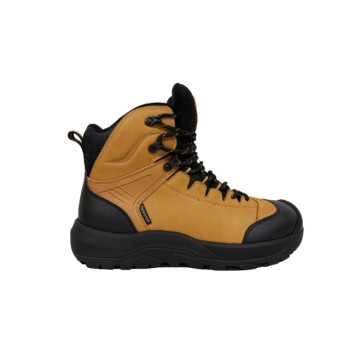
The primary benefit of real winter cycling boots is their ability to provide integrated and superior warmth, waterproofing, and breathability for riding in extreme cold. Unlike summer shoes with overshoes, they are a purpose-built system designed to keep your feet warm and dry in temperatures as low as -15°C by managing both external moisture and internal sweat.
The core advantage of dedicated winter cycling boots is not just warmth, but a complete, systems-based approach to foot comfort in severe cold. They solve the interconnected problems of insulation, moisture management, and coverage in a single, reliable piece of equipment.
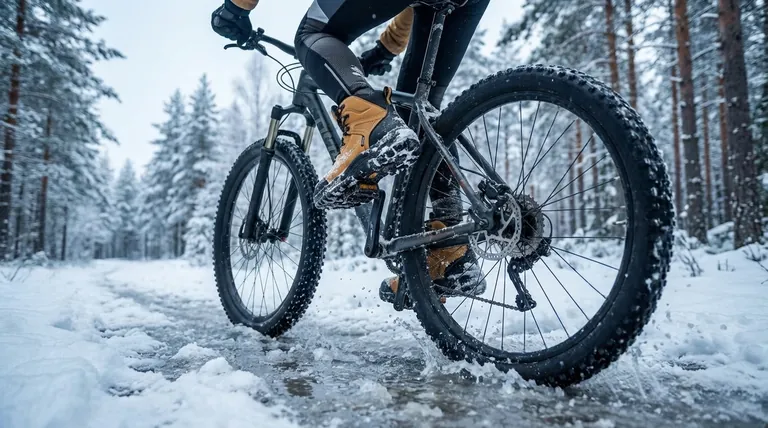
Why Dedicated Boots Outperform Other Solutions
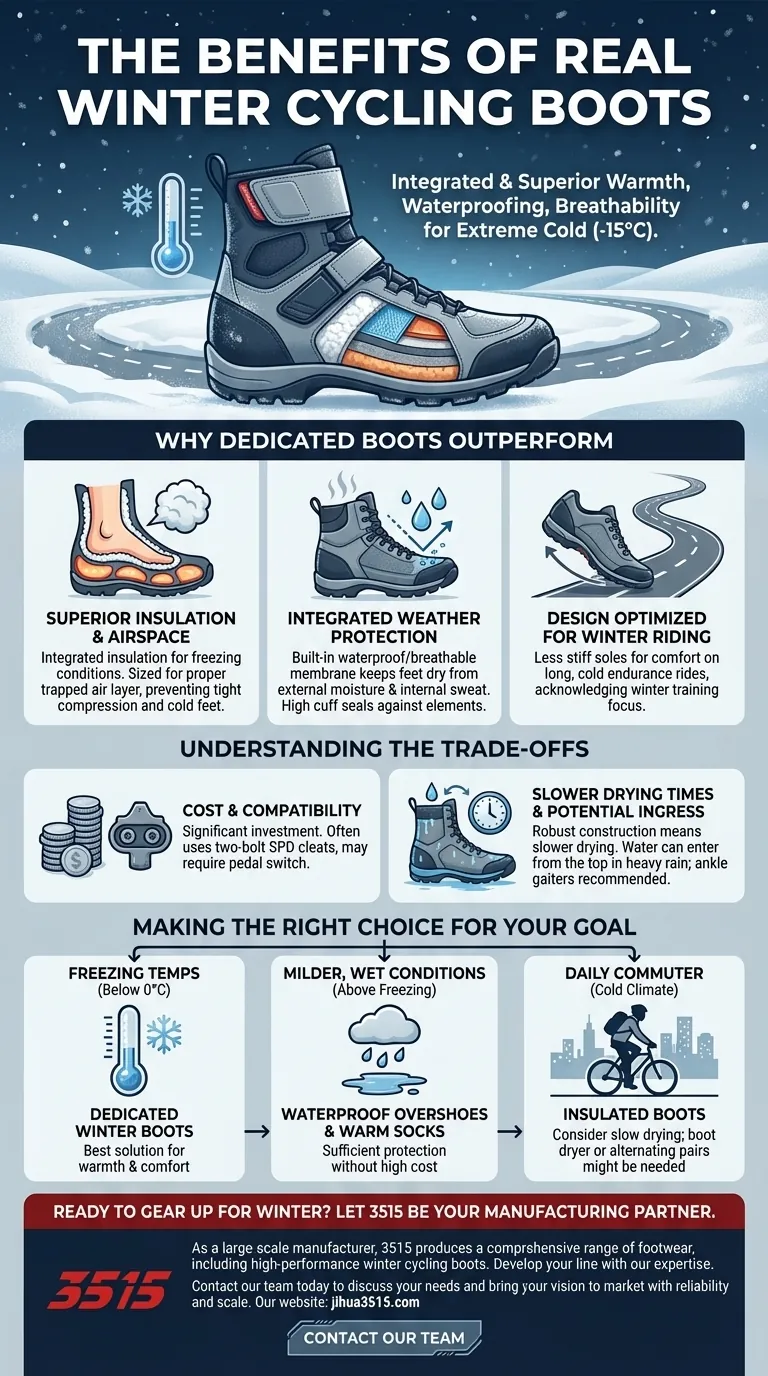
Superior Insulation and Airspace
Purpose-built winter boots are constructed with integrated insulation designed for freezing conditions.
Crucially, they are sized to allow for proper air space around your feet, even with thicker winter socks. This trapped layer of air is a vital insulator, and boots are designed to prevent the tight compression that can cut off circulation and lead to cold feet.
Integrated Weather Protection
Winter boots feature waterproof and breathable membranes built directly into their construction.
This keeps your feet dry from external moisture like snow and slush while allowing sweat vapor to escape, preventing the chilling effect of damp socks.
They often include a high, over-the-ankle cuff, which provides a better seal against the elements than the gap often left between cycling tights and overshoes.
Design Optimized for Winter Riding
The soles of winter boots are typically less stiff than high-performance summer racing shoes.
This design choice acknowledges that winter riding often focuses on base miles and endurance rather than explosive, high-intensity efforts. The slightly more flexible sole can improve comfort on long, cold rides.
Understanding the Trade-offs
Cost and Compatibility
Dedicated winter boots represent a significant investment compared to a simple pair of overshoes.
They also commonly use a two-bolt SPD-style cleat system, which may require you to switch pedals if you are accustomed to a three-bolt road cleat.
Slower Drying Times
The same robust insulation and waterproofing that keep you warm and dry on the ride make these boots slow to dry afterward.
This can be a significant drawback for cyclists who ride on consecutive days, as putting on damp boots is a recipe for cold feet.
Potential for Water Ingress
While highly water-resistant, water can still enter from the top of the boot, especially in heavy rain. This risk can be mitigated with ankle gaiters.
Their heavy insulation also means they are often better suited for cold, dry conditions rather than merely cool, wet weather where a less insulated option might suffice.
Making the Right Choice for Your Goal
The decision to invest in winter cycling boots depends entirely on the conditions you face and your commitment to riding through them.
- If your primary focus is riding in truly freezing temperatures (below 0°C): Dedicated winter boots are the most effective and reliable solution for maintaining warmth and comfort.
- If your primary focus is riding in milder, wet winter conditions (above freezing): A high-quality set of waterproof overshoes and warm socks may provide sufficient protection without the cost and drying time of dedicated boots.
- If you are a daily commuter in a cold climate: The slow drying time of insulated boots might be a significant issue, requiring a boot dryer or alternating pairs.
Ultimately, choosing the right footwear is about removing barriers so you can enjoy your ride, no matter the weather.
Summary Table:
| Benefit | Description |
|---|---|
| Superior Insulation | Integrated insulation & proper airspace for warmth down to -15°C. |
| Integrated Weather Protection | Built-in waterproof/breathable membrane & high cuff seal. |
| Winter-Optimized Design | Slightly less stiff soles for comfort on long, cold endurance rides. |
| Trade-off: Cost & Compatibility | Higher initial investment; typically uses two-bolt SPD cleats. |
| Trade-off: Drying Time | Robust construction means slower drying after wet rides. |
Ready to Gear Up for Winter? Let 3515 Be Your Manufacturing Partner.
As a large-scale manufacturer, 3515 produces a comprehensive range of footwear for distributors, brand owners, and bulk clients. Our production capabilities encompass all types of shoes and boots, including high-performance technical footwear like winter cycling boots.
We can help you develop and produce a line of dedicated winter cycling boots that deliver the superior warmth, waterproofing, and comfort your customers demand. Contact our team today to discuss your specific needs and how we can bring your vision to market with reliability and scale.
Visual Guide
Related Products
- Premium Insulated Safety Boots and Shoes for Wholesale & Bulk Orders
- Factory Direct Wholesale Rain Boots Durable Waterproof & Fully Customizable
- Durable Waterproof Rain Boots | Custom Manufacturer for Wholesale & Brands
- Heavy-Duty Waterproof Nubuck Safety Boots Safety Shoes for Bulk Supply
- Durable Goodyear Welt Leather Work Boots for Wholesale & Private Label
People Also Ask
- What are the recommended insulation ratings for mild winter conditions? A Guide for Active & Stationary Workers
- How does insulation thickness correlate with temperature ranges? A Guide to Choosing the Right Warmth
- What insulation level is needed for severe cold and stationary work? 1200g or Higher is Essential
- What safety advantages do insulated boots offer beyond warmth? Dielectric Protection & Superior Grip
- How does fleece lining contribute to the warmth of insulated boots? Trapping Air for Superior Cold Protection