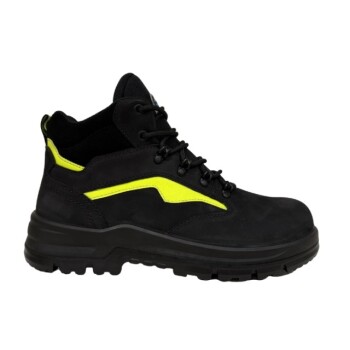
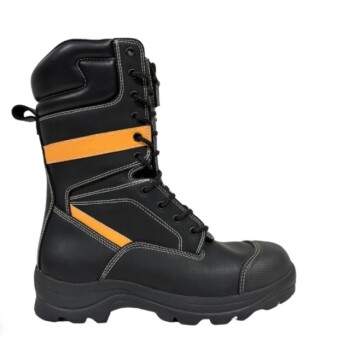
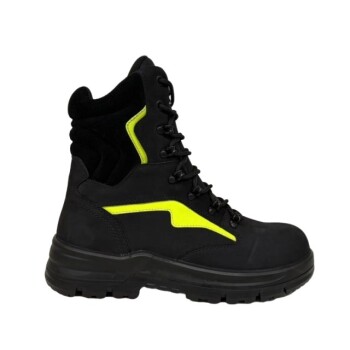
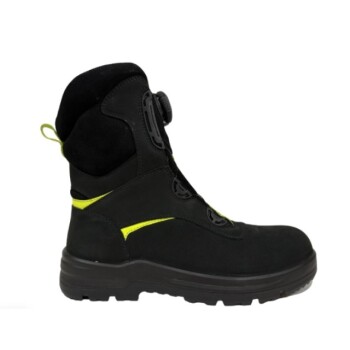
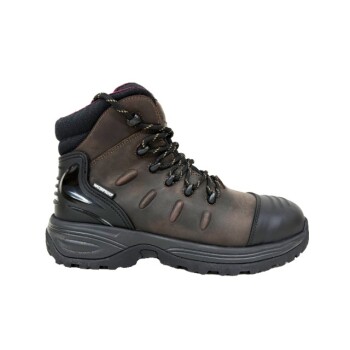
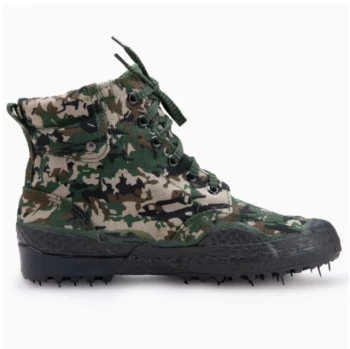
At their core, waterproof boots are a specialized tool for environmental control. Their primary advantage is creating an impenetrable barrier that keeps your feet completely dry, regardless of rain, snow, or submersion. This protection is fundamental to maintaining comfort, warmth, and foot health in wet or cold conditions.
The true value of waterproof boots extends beyond simple comfort. They are a critical piece of safety equipment, preventing the cascade of health issues—from blisters and fungal infections to frostbite—that begins the moment your feet get wet.
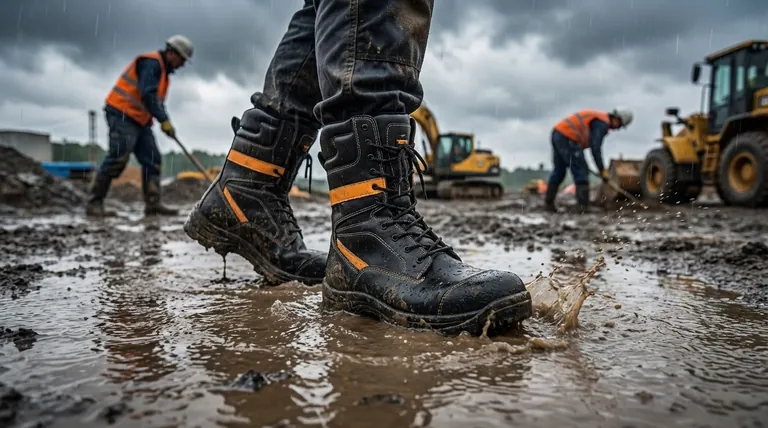
The Core Function: A Barrier Against Moisture
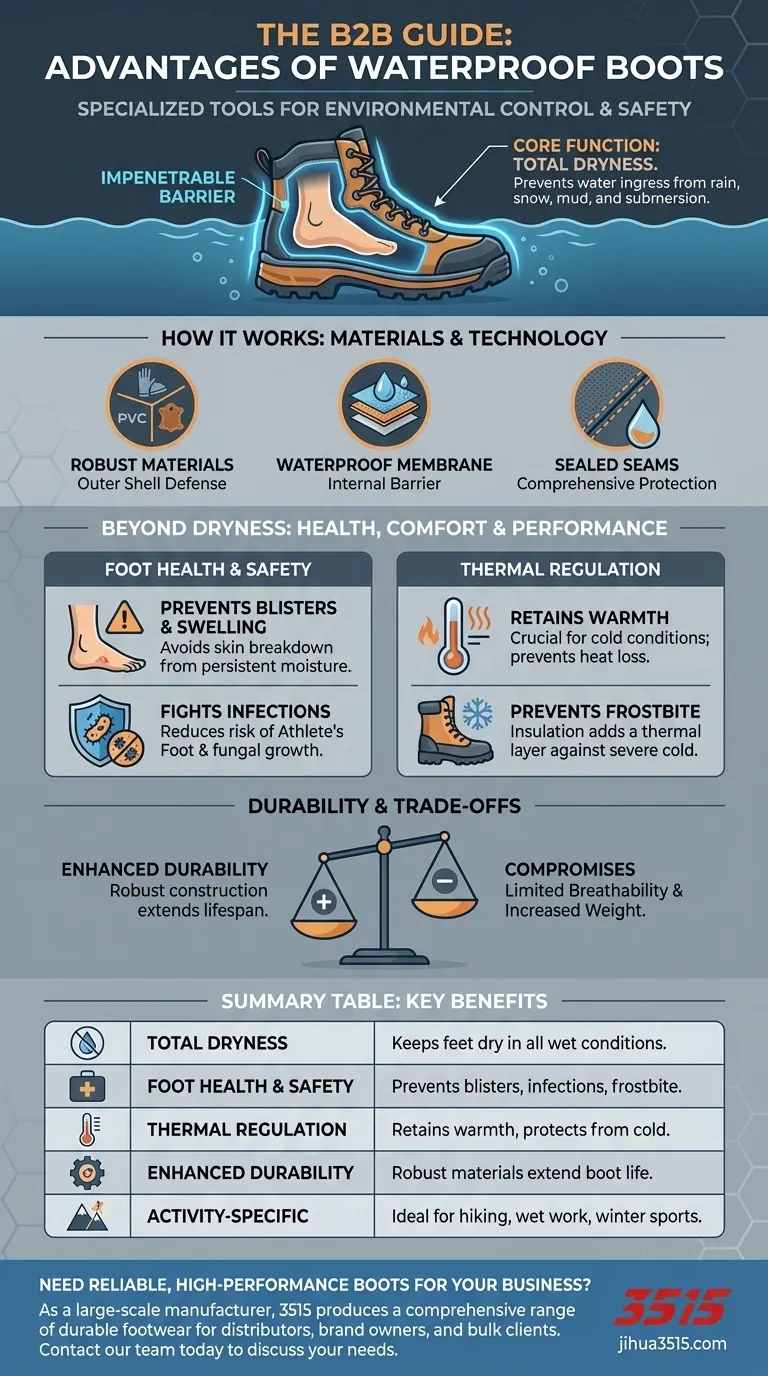
The fundamental purpose of a waterproof boot is to prevent water from the outside environment from reaching your foot. This is achieved through specific materials and construction techniques.
Preventing Water Ingress
Waterproof boots are engineered to handle direct exposure to moisture. This allows you to walk through wet grass, muddy trails, deep puddles, and even streams without getting your feet wet.
The materials themselves provide the first line of defense. Materials like rubber or PVC create a completely waterproof shell, while specially treated leathers can also repel water effectively.
Key Waterproofing Technologies
Modern boots often rely on more than just the outer material. A waterproof lining or membrane is a common feature that acts as an internal barrier.
Furthermore, sealed seams are critical. This process ensures that water cannot penetrate the boot through the tiny holes created by stitching, providing comprehensive protection.
Beyond Dryness: The Health and Comfort Benefits
Keeping feet dry is not just about avoiding a soggy feeling. It has direct and significant impacts on your overall health and ability to perform, especially over long periods.
Maintaining Foot Health
Persistently wet feet create an environment where skin breaks down, leading to painful blisters and swelling.
This moisture also promotes the growth of bacteria and fungi, which can cause conditions like athlete's foot or other infections. For those working in wet environments, this is a serious occupational health risk.
Regulating Temperature
Water pulls heat away from the body much faster than air. Wet feet quickly become cold feet, which can be deeply uncomfortable and, in freezing temperatures, dangerous.
By keeping feet dry, waterproof boots are essential for warmth. Many designs, particularly snow boots, also include insulation to provide an additional thermal layer, protecting against severe cold and frostbite.
Enhancing Durability
The construction required to make a boot waterproof often results in a more robust and durable product. The materials and sealed seams that keep water out are also highly resilient to wear and tear, extending the lifespan of the footwear.
Understanding the Trade-offs
While invaluable in the right context, the advantages of waterproof technology come with inherent compromises. Objectivity requires acknowledging these limitations.
The Breathability Compromise
The same barrier that locks water out can also lock moisture in. Waterproof membranes have limited breathability, meaning they can struggle to vent the sweat your feet produce.
In hot and dry conditions, this can lead to overheating and feet that are damp from sweat, defeating the purpose of staying dry.
The Weight Factor
Waterproofing adds layers and requires more robust materials. Consequently, waterproof boots are often heavier and less flexible than their non-waterproof counterparts, which can be a factor during long-distance treks.
Making the Right Choice for Your Needs
Selecting the right footwear depends entirely on the environment and activity you anticipate.
- If your primary focus is hiking in varied conditions: Waterproof boots are essential for handling unexpected rain, mud, and stream crossings.
- If your primary focus is working in consistently wet environments: The health and safety benefits of waterproof boots are non-negotiable.
- If your primary focus is winter or snow activities: Insulated waterproof boots are critical for preventing frostbite and maintaining warmth.
- If your primary focus is activity in hot, dry climates: A non-waterproof, highly breathable boot is the superior choice for comfort and moisture management.
Ultimately, choosing a waterproof boot is about matching the tool to the task to ensure your safety, health, and comfort.
Summary Table:
| Advantage | Key Benefit |
|---|---|
| Total Dryness | Keeps feet dry in rain, snow, and mud with sealed seams and membranes. |
| Foot Health & Safety | Prevents blisters, fungal infections, and frostbite by maintaining a dry environment. |
| Thermal Regulation | Insulated designs retain warmth, protecting against cold and hypothermia. |
| Enhanced Durability | Robust waterproof materials and construction extend the boot's lifespan. |
| Activity-Specific Performance | Ideal for hiking, wet work environments, and winter sports. |
Need reliable, high-performance waterproof boots for your business or brand?
As a large-scale manufacturer, 3515 produces a comprehensive range of durable footwear for distributors, brand owners, and bulk clients. Our production capabilities encompass all types of waterproof safety boots, hiking boots, and winter boots designed to protect and perform.
Let us help you equip your customers with the best. Contact our team today to discuss your specific needs and explore our extensive catalog.
Visual Guide
Related Products
- Premium Wholesale Waterproof Safety Boots High Performance Protection for Industrial Markets
- High Performance Fire-Retardant Waterproof Safety Boots
- Wholesale Premium Waterproof Nubuck Safety Shoes Boots
- Premium Flame-Retardant Waterproof Safety Boots and Shoes
- Durable Waterproof Rain Boots | Custom Manufacturer for Wholesale & Brands
People Also Ask
- What weather and chemical protections do premium boots offer? Your Complete Guide to Safety & Performance
- Why are waterproof safety boots recommended for certain work environments? Essential Protection for Wet & Hazardous Jobs
- What are the primary protective functions of industrial safety boots in oil palm plantations? Master Rough Terrain Safety
- Why are oil-resistant and anti-slip properties critical for industrial safety boots? Expert Outsole Engineering Guide
- What are the best types of shoes for different gardening conditions? Find Your Perfect Match.