
The core of their question about Gore-Tex boots in wet conditions is a classic trade-off: keep water out, but manage the inevitable sweat that builds up inside. It's not a simple yes/no. Gore-Tex is a tool for managing moisture, and its effectiveness depends entirely on the type of wet environment.
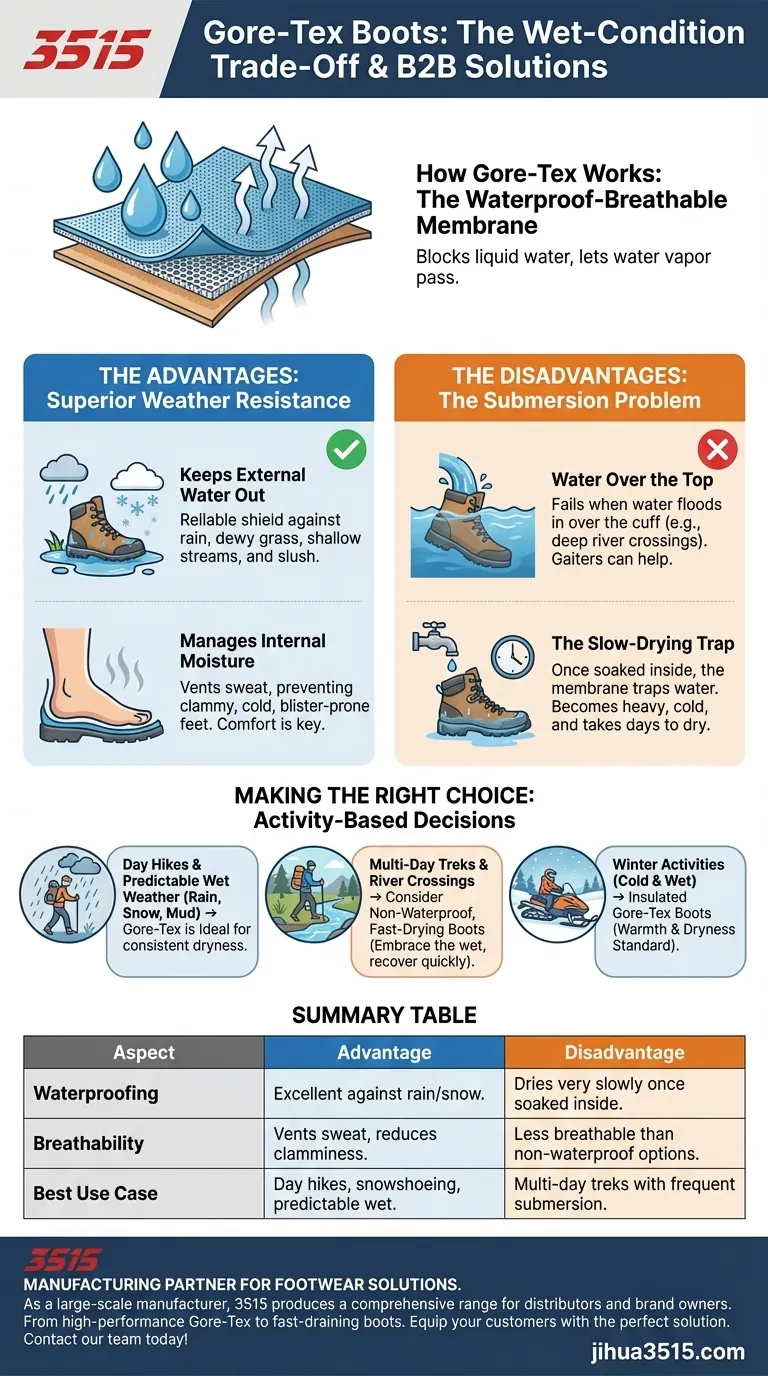
How Gore-Tex Works (Quick Tech Overview): It's a membrane with tiny pores. These pores are small enough to block liquid water (rain, puddles) but large enough to let water vapor (sweat) pass through. That's the core "waterproof-breathable" concept.
The Primary Advantage: Weather Resistance
- Keeps External Water Out: It does a great job of protecting against rain, wet grass, dew, and snow. No more soggy socks during a drizzle!
- Manages Internal Moisture (Breathability): By venting sweat, it prevents that clammy feeling that can lead to cold feet and blisters, which is a massive advantage over simple rubber boots.
Understanding the Critical Disadvantage: Submersion
- The Point of Failure: Water Over the Top: The Gore-Tex itself doesn't fail. The problem is when water gets inside the boot, usually over the top. This negates the waterproofing benefit, but you can fix this with gaiters or waterproof pants.
- The Slow-Drying Problem: Here's the kicker: once the boot is soaked through, the membrane that kept water out now traps it. The boot becomes heavy, cold, and takes ages to dry. This is the Achilles' heel.
The Trade-offs: Gore-Tex vs. Non-Waterproof Alternatives
- The Case for Gore-Tex: Best for activities where you'll encounter rain, wet grass, or snow, but submersion is unlikely. The goal here is keeping your feet consistently dry from both external water and sweat.
- The Case for Non-Waterproof Boots: Better for activities with expected and frequent submersion, like river crossings or wading. These boots get wet, but they drain quickly and dry faster, minimizing discomfort. The philosophy is "embrace the wet, but recover quickly."
Actionable Advice (Based on Goals):
- Day hiking in unpredictable weather (rain, puddles): Gore-Tex is your ideal choice.
- Multi-day backpacking with river crossings: Consider fast-drying, non-waterproof boots with good drainage.
- Winter activities like snowshoeing or snowmobiling: Insulated Gore-Tex boots are the standard for warmth and dryness.
Ultimately, choosing the right boot is about matching its strengths to your specific activity and expected conditions. I hope this helps! In short, the primary advantage of Gore-Tex boots is their ability to keep your feet dry from external moisture like rain and puddles while allowing sweat to escape. However, their significant disadvantage is that once water gets inside—typically by going over the top of the boot—they become heavy and take an extremely long time to dry.
The core issue isn't whether Gore-Tex "works," but understanding its intended purpose. It is a barrier against environmental moisture, not a system for managing full submersion. Your choice should depend on whether you expect to block water out or recover from being soaked through.
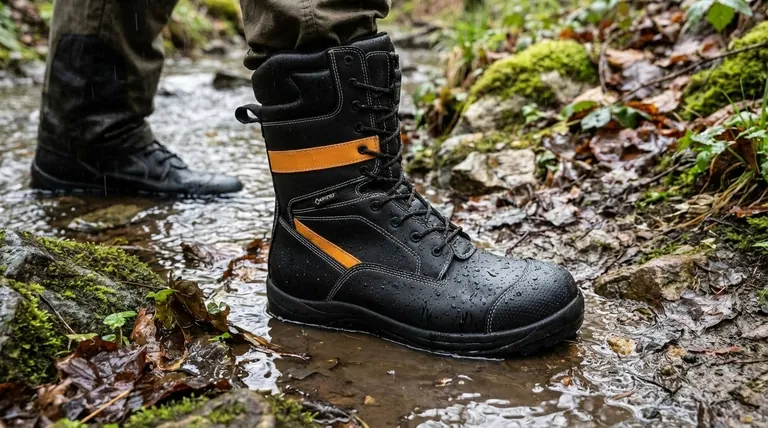
How Gore-Tex Technology Functions
The "Waterproof Yet Breathable" Membrane
At its heart, a Gore-Tex boot contains a specialized membrane with microscopic pores.
These pores are thousands of times smaller than a liquid water droplet, which prevents rain and puddle water from getting in.
Simultaneously, these pores are large enough for water vapor (sweat) to pass through, allowing your foot to breathe and stay comfortable.
The Role of Insulation
In colder conditions, such as for snowmobiling or winter hiking, this waterproof-breathable membrane is often paired with insulation.
This combination ensures your feet stay warm by keeping them dry from both external wetness (snow) and internal moisture (sweat), which can rapidly cool the foot.
The Advantage: Superior Weather Resistance
Keeping External Water Out
The most obvious benefit is reliable waterproofing against common environmental wetness.
This includes walking through rain, dewy grass, shallow streams, or slushy snow. The membrane acts as a dependable shield, keeping your socks and feet completely dry.
Managing Internal Moisture
Unlike a simple rubber boot, Gore-Tex allows sweat to escape.
This breathability is critical for comfort and foot health. It prevents the clammy, damp feeling that can lead to blisters, discomfort, and your feet getting cold even in mild temperatures.
The Disadvantage: The Submersion Problem
The Point of Failure is Over the Top
The Gore-Tex membrane itself rarely fails. The problem occurs when water floods in over the cuff of the boot, which happens during deep puddle missteps or river crossings.
This can be partially mitigated by wearing ankle gaiters or ensuring waterproof pants are worn over the boot cuffs, creating a shingled effect to shed water.
The Slow-Drying Trap
Once a Gore-Tex boot is soaked internally, its key advantage becomes its greatest weakness.
The same membrane that so effectively keeps water out now works to keep it in. The boot becomes heavy, waterlogged, and can take days to dry out, creating a cold and uncomfortable environment for your feet.
Making the Right Choice for Your Activity
Your decision to use Gore-Tex should be based on the type of wet conditions you anticipate facing.
- If your primary focus is day hiking in rain, snow, or muddy terrain: Gore-Tex is the ideal choice for keeping your feet consistently dry and comfortable.
- If your primary focus is multi-day trekking with expected river crossings: Consider non-waterproof, quick-draining boots that will get soaked but dry out rapidly.
- If your primary focus is winter activities in cold, wet conditions: Insulated Gore-Tex boots provide the necessary combination of warmth and protection from snow and slush.
Ultimately, choosing the right boot means matching the technology to the specific environmental challenge you will face.
Summary Table:
| Aspect | Advantage | Disadvantage |
|---|---|---|
| Waterproofing | Excellent protection from rain, puddles, and snow. | Once soaked inside, dries very slowly. |
| Breathability | Allows sweat vapor to escape, reducing clamminess. | Not as breathable as non-waterproof alternatives. |
| Best Use Case | Day hikes, snowshoeing, predictable wet conditions. | Multi-day treks with river crossings, frequent submersion. |
Need the Right Boots for Your Conditions?
As a large-scale manufacturer, 3515 produces a comprehensive range of footwear for distributors, brand owners, and bulk clients. Whether you need high-performance Gore-Tex boots for reliable weather protection or fast-draining boots for rugged terrain, we have the production capabilities and expertise to meet your needs.
Let us help you equip your customers with the perfect footwear solution.
Contact our team today to discuss your requirements!
Visual Guide
Related Products
- High Performance Fire-Retardant Waterproof Safety Boots
- Premium Wholesale Waterproof Safety Boots High Performance Protection for Industrial Markets
- Factory Direct Wholesale Rain Boots Durable Waterproof & Fully Customizable
- Wholesale Waterproof Tactical Boots Custom Suede & High-Traction Soles
- Premium Waterproof High-Cut Industrial Safety Boots for Wholesale and Bulk Orders
People Also Ask
- Why are waterproof safety boots recommended for certain work environments? Essential Protection for Wet & Hazardous Jobs
- What roles do 3D vision systems and industrial robots play in the manufacturing of fire safety boots? Smart Automation
- What are the primary benefits of incorporating waterproof technology into professional and outdoor boots? Boost Value
- What are the drawbacks of waterproof boots? The Breathability vs. Protection Trade-Off
- How does boot construction affect waterproofing? The Science Behind Truly Dry Feet


















