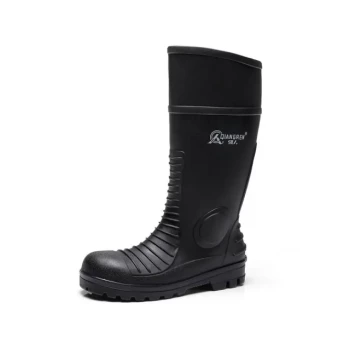
The primary function of industrial safety shoes in polymer recycling is to provide a comprehensive shield against the specific mechanical and environmental hazards present in heavy machinery zones. These shoes are engineered to prevent compression injuries from forklift collisions and falling objects, block punctures from sharp polymer fragments, and maintain critical traction on surfaces compromised by oil or fine powders.
In the context of polymer recycling, safety footwear serves as the final, non-negotiable barrier against high-force trauma, acting simultaneously as armor against heavy machinery and as a stabilizer on hazardous, debris-strewn floors.
Mitigating Mechanical Trauma
In recycling facilities, the interaction between human workers and heavy machinery creates a high-risk environment for severe foot trauma.
Defending Against Compression
The most immediate threat in these environments comes from forklifts and heavy machinery.
Safety shoes are designed with reinforced toe caps, often steel or composite, to withstand massive compressive forces. This structure protects the foot from being crushed if a vehicle rolls over it or if heavy equipment components are dropped during maintenance.
Dispersing Impact Energy
Beyond gradual compression, there is the risk of sudden impact from falling objects.
The protective layers in these shoes function by dispersing instantaneous force across a wider area. This mechanism is crucial for preventing bone cracks or fractures when heavy raw materials or machine parts strike the foot.
Navigating Environmental Hazards
Polymer recycling plants present unique ground-level hazards that standard work boots cannot address.
Preventing Puncture Injuries
The recycling process inevitably generates sharp polymer fragments and debris.
Industrial safety shoes for this sector feature puncture-resistant midsoles. These barriers stop sharp objects from penetrating the sole and injuring the foot, allowing workers to move safely through areas where debris may be present.
Ensuring Stability on Slippery Surfaces
A major function of these shoes is preventing falls in areas contaminated by oil or polymer powders.
These substances can create incredibly slick surfaces, turning simple movements into slip hazards. To combat this, safety shoes utilize specialized slip-resistant outsoles designed to cut through surface contaminants and grip the floor, significantly reducing the risk of falls in high-risk zones.
Understanding the Trade-offs
While industrial safety shoes are essential, selecting the highest level of protection involves functional compromises that must be managed.
Weight vs. Fatigue
Shoes designed for maximum impact and compression resistance often utilize heavier materials like steel.
While this maximizes safety against heavy machinery, the increased weight can lead to worker fatigue over long shifts. Heavier footwear requires more energy to lift with every step, potentially affecting agility and comfort by the end of the day.
Rigidity vs. Flexibility
To provide puncture resistance and crush protection, the soles and uppers must be rigid.
This structural integrity creates a trade-off with flexibility. Workers who need to crouch frequently or work in tight spaces may find that the rigid construction limits their range of motion compared to lighter, less protective footwear.
Making the Right Choice for Your Goal
Selecting the correct safety footwear requires balancing the specific hazards of your facility with the needs of the wearer.
- If your primary focus is working near forklifts and heavy loads: Prioritize shoes with certified compression resistance and steel toe caps to prevent crush injuries.
- If your primary focus is traversing processing areas with debris: Ensure the footwear includes a high-grade puncture-resistant midsole to block sharp polymer fragments.
- If your primary focus is preventing falls on coated floors: Look for shoes with aggressive slip-resistant outsoles specifically rated for oil and powder traction.
The right safety shoe is not just a uniform requirement; it is a specialized tool that ensures a worker walks out of the facility as healthy as they walked in.
Summary Table:
| Hazard Category | Protection Mechanism | Key Benefit in Recycling |
|---|---|---|
| Heavy Machinery | Reinforced Toe Caps (Steel/Composite) | Prevents crush injuries from forklifts & falling equipment |
| Sharp Fragments | Puncture-Resistant Midsoles | Blocks sharp polymer debris from penetrating the sole |
| Slick Surfaces | Slip-Resistant Outsoles | Ensures stability on floors coated in oil or polymer powders |
| High Impact | Energy Dispersion Layers | Reduces risk of bone fractures from sudden falling objects |
Secure Your Workforce with 3515 High-Performance Safety Footwear
In the demanding environment of polymer recycling, standard boots aren't enough. As a large-scale manufacturer serving distributors and brand owners, 3515 offers comprehensive production capabilities for all footwear types, anchored by our flagship Safety Shoes series.
Our extensive portfolio covers work and tactical boots, outdoor shoes, training shoes, and sneakers, as well as Dress & Formal shoes to meet your diverse bulk requirements. We provide the durability, compression resistance, and specialized traction needed to mitigate risks around heavy machinery and hazardous debris.
Ready to elevate your product line with industrial-grade protection? Contact us today to discuss your bulk manufacturing needs
References
- Martin Schobesberger, Alois Ferscha. Designing Proactive Safety Systems for Industrial Workers Using Intelligent Mechanisms. DOI: 10.1145/3529190.3534775
This article is also based on technical information from 3515 Knowledge Base .
Related Products
- Wholesale Mesh Steel Toe Safety Shoes with Dial Closure Factory Production
- Premium Wheat Nubuck Safety Shoes for Bulk Distribution
- Wholesale Anti-Smash & Puncture-Proof Safety Shoes Custom Manufacturing for Brands
- Durable Steel Toe Safety Boots Wholesale & Custom Manufacturing
- Premium Waterproof High-Cut Industrial Safety Boots for Wholesale and Bulk Orders
People Also Ask
- What type of safety shoe is recommended for workers exposed to heavy machinery? Steel Toe Boots for Ultimate Protection
- Why is it mandatory to wear safety shoes with steel toe protection during metal loading? Prevent Crushing Injuries
- What are the main materials used in steel toe safety shoes? A Guide to Protective Footwear Construction
- Why are steel toes popular in safety footwear? The Ultimate Guide to Heavy-Duty Protection
- Is the myth about steel toe shoes cutting off toes true? Debunking the Safety Footwear Myth