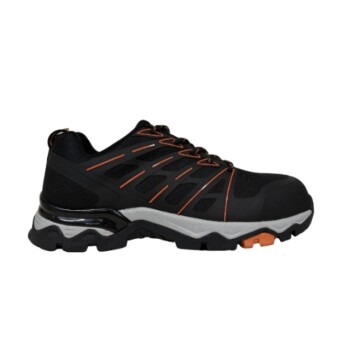
Professional safety shoes are the critical last line of defense against catastrophic injury in injection molding environments. When personnel are handling molds that can weigh hundreds of kilograms, standard footwear offers zero protection against the crushing forces involved in assembly and disassembly operations.
Handling heavy machinery requires more than just caution; it requires engineered personal protective equipment (PPE). Professional safety shoes provide a non-negotiable layer of risk management, combining impact resistance with environmental stability to prevent both acute trauma and chronic strain.
Mitigating Mechanical Trauma
The Threat of Heavy Loads
In injection molding, the primary hazard involves the manipulation of heavy metal molds and tools. These components frequently weigh hundreds of kilograms.
Reinforced Toe Protection
If a heavy mold or machine part falls, the foot is the most vulnerable point of contact. Professional footwear features reinforced anti-smash toe caps designed to withstand massive compressive forces, preventing crushing injuries that could result in permanent disability.
Defending Against Sharp Debris
The assembly area often accumulates sharp metal scraps and debris. Safety shoes equipped with puncture-resistant midsoles prevent these sharp objects from penetrating the sole and injuring the foot.
Ensuring Stability and Environmental Safety
Traction on Compromised Surfaces
Industrial molding floors are rarely pristine; they are often slick with oil or fluids. Professional safety shoes provide specialized slip resistance, ensuring the operator maintains a stable stance while maneuvering heavy loads.
Ankle Support and Stability
Uneven or oily ground increases the risk of twisting or spraining an ankle. High-strength work boots utilize reinforced structural designs to provide superior lateral stability, keeping the ankle aligned during high-intensity loading tasks.
Electrical Hazard Protection
Heavy machinery environments often present electrical risks. Professional footwear can offer essential insulation against electrical leakage, adding a layer of safety that standard shoes lack.
Long-Term Health and Ergonomics
Reducing Operator Fatigue
Assembly personnel often endure long hours of standing on hard concrete. Professional boots are engineered with shock-absorbing properties and ergonomic designs that absorb ground impact.
Preventing Chronic Injury
By reducing the strain on feet and joints, high-quality safety footwear lowers the risk of chronic musculoskeletal injuries. This allows personnel to maintain focus and performance over time without succumbing to physical exhaustion.
Understanding the Trade-offs
Weight vs. Agility
Maximum protection often results in a heavier boot. While steel toes offer the highest impact resistance, the added weight can contribute to leg fatigue over extended shifts compared to lighter, non-protective footwear.
Rigidity vs. Flexibility
The reinforced structure required for ankle support and puncture resistance can make the shoe stiffer. This reduced flexibility may require a "break-in" period and can feel restrictive during tasks that require significant crouching or kneeling.
Making the Right Choice for Your Team
Selecting the correct safety footwear depends on the specific nature of the daily tasks within the molding facility.
- If your primary focus is heavy mold manipulation: Prioritize boots with maximum-rated anti-smash toe caps and puncture-resistant midsoles to prevent traumatic injury.
- If your primary focus is long shifts and maintenance: Look for footwear emphasizing ergonomic shock absorption and lighter composite protective materials to reduce fatigue.
- If your primary focus is oily or wet floor conditions: Ensure the footwear is certified for high-grade slip resistance to prevent falls during component transport.
Invest in footwear that matches the specific hazards of the environment to ensure your team remains safe, stable, and productive.
Summary Table:
| Hazard Category | Protection Feature | Primary Benefit |
|---|---|---|
| Heavy Mold Impact | Reinforced Toe Caps | Prevents crushing injuries and permanent disability |
| Sharp Metal Debris | Puncture-Resistant Midsole | Stops sharp objects from penetrating the sole |
| Oily/Slick Floors | Slip-Resistant Outsole | Ensures stable traction and prevents falls |
| Electrical Leakage | Insulated Footwear | Provides a layer of protection against electrical hazards |
| Long-Standing Shifts | Shock-Absorbing Design | Reduces operator fatigue and chronic joint strain |
Secure Your Team's Safety with 3515 Footwear Solutions
As a large-scale manufacturer serving distributors and brand owners, 3515 offers comprehensive production capabilities for all footwear types, anchored by our flagship Safety Shoes series. Whether your team handles heavy mold assembly or manages high-intensity industrial floors, our footwear is engineered to provide the non-negotiable protection and ergonomic support required to minimize risk and maximize productivity.
Our extensive portfolio covers:
- Work & Tactical Boots: Built for high-impact environments.
- Outdoor & Training Shoes: Combining durability with agility.
- Sneakers & Dress Shoes: Professional solutions for diverse bulk requirements.
Contact us today to discuss how our manufacturing expertise can benefit your brand and keep your personnel safe.
References
- Spyridon Damilos, Elias P. Koumoulos. Occupational Safety Analysis for COVID-Instigated Repurposed Manufacturing Lines: Use of Nanomaterials in Injection Moulding. DOI: 10.3390/polym14122418
This article is also based on technical information from 3515 Knowledge Base .
Related Products
- Premium KPU Injection Athletic Style Safety Shoes
- Premium Wheat Nubuck Safety Shoes for Bulk Distribution
- Durable Leather Safety Boots for Wholesale & Custom OEM Manufacturing
- Heavy-Duty Waterproof Nubuck Safety Boots Safety Shoes for Bulk Supply
- Premium Wholesale Tactical Style Safety Shoes Boots with Quick Lacing
People Also Ask
- How do athletic-style safety shoes balance flexibility and safety? Perfect Agility for Active Professionals
- What is a recommended alternative to using hairspray for slip resistance? Ditch Unreliable Hacks for Real Safety
- What workplace hazards indicate the need for safety shoes? Identify risks to protect your workforce.
- Why should ergonomics and comfort be prioritized when selecting safety shoes? Boost Compliance & Worker Health
- What role does blockchain play in footwear supply chain transparency? Enhance Safety Shoe Traceability and Verification