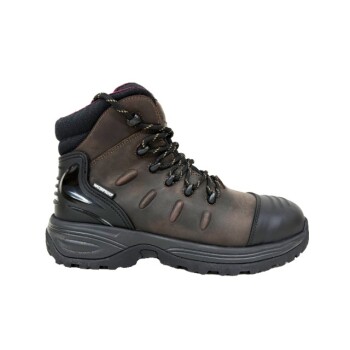
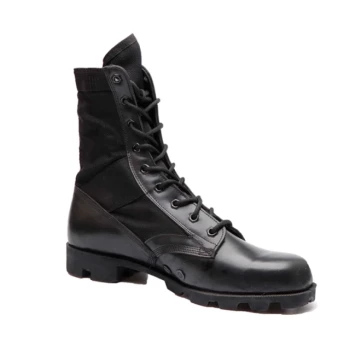
When it comes to user-recommended waterproof footwear, several brands consistently stand out for their performance and durability across different conditions. Top recommendations frequently include insulated wellies like Muckboots and Aigle, robust hiking boots such as the Salomon Quest 4D 3 GTX, and durable work-specific options from brands like Carhartt. The key is to look beyond the brand name and understand the specific model's intended use.
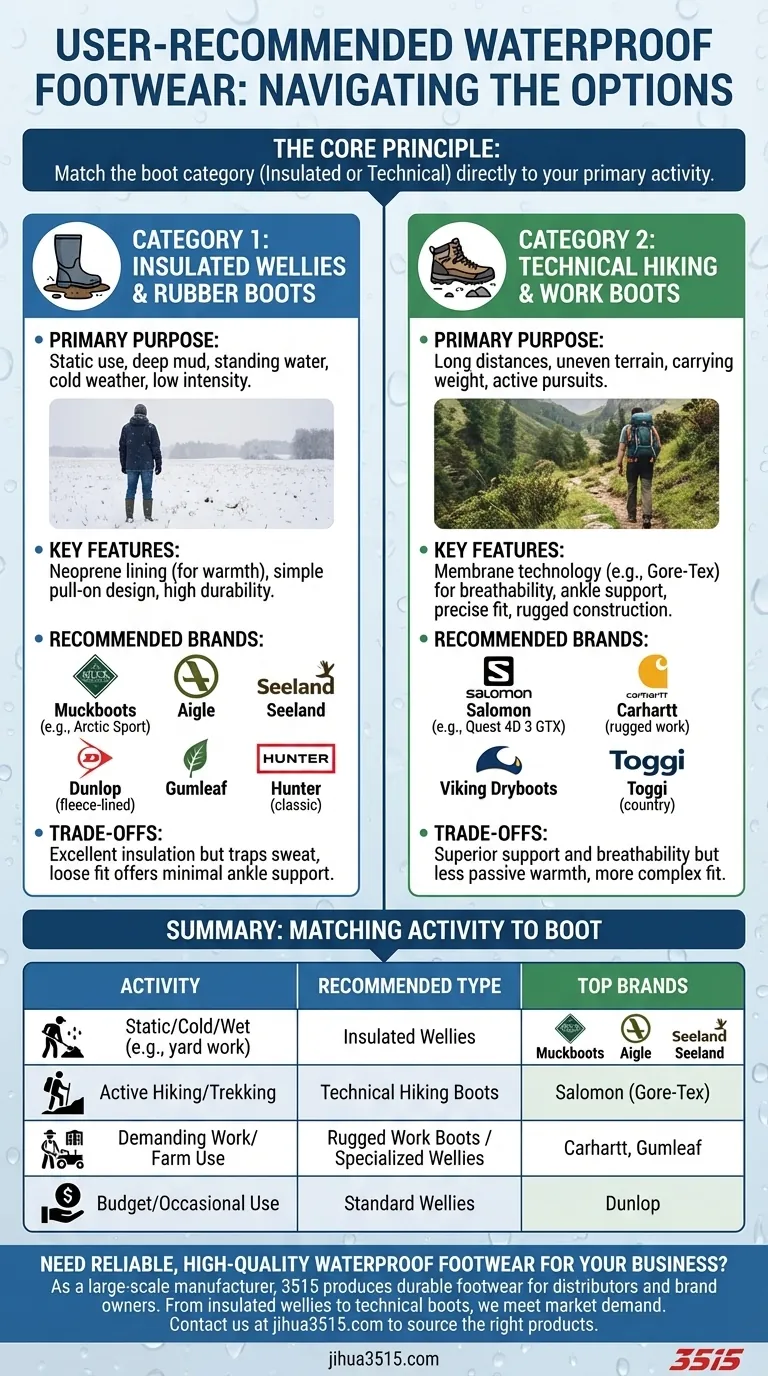
The most common mistake is choosing a boot by brand alone. The "best" waterproof footwear is not a single model, but a category—either an insulated rubber boot or a technical hiking boot—that must be matched directly to your primary activity and environment.
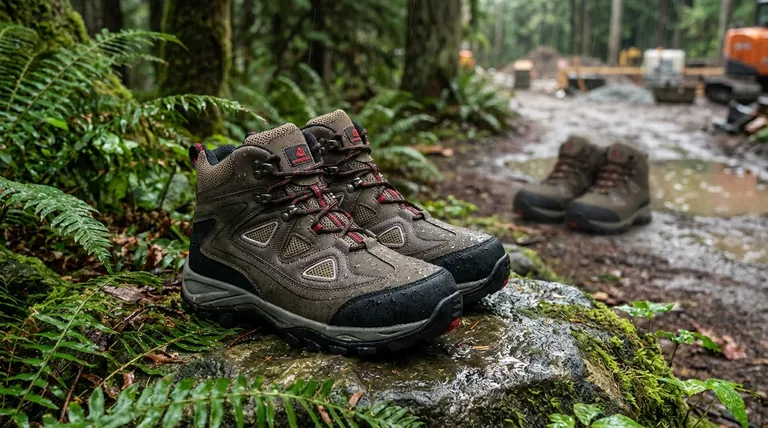
The Two Paths of Waterproof Footwear
Waterproof footwear generally falls into two distinct categories, each designed for a different purpose. Understanding this distinction is the first step in making a wise investment. One path prioritizes absolute water-blocking and insulation for static or low-intensity use, while the other focuses on breathable waterproofing for active pursuits.
Category 1: Insulated Wellies and Rubber Boots
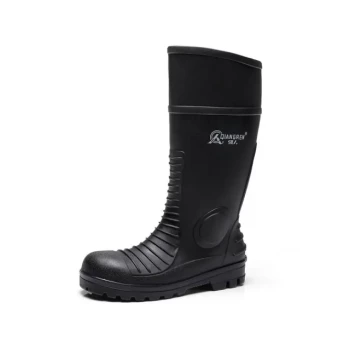
These boots are the go-to choice for mud, standing water, and cold weather where you aren't covering long, challenging distances. Their primary benefit is simple, pull-on waterproof protection and warmth.
Neoprene-Lined for Superior Warmth Models from Muckboots (like the Arctic Sport range), Aigle, and Seeland are frequently praised. The key feature is a neoprene lining, the same material used in wetsuits, which provides excellent insulation against the cold.
Fleece-Lined and Standard Options Brands like Dunlop offer fleece-lined wellies that provide a basic level of warmth at an accessible price point. Hunters are a classic choice, though users often note they can be cold without the addition of thick socks or specialized insoles like Supafeet.
Focus on Durability and Grip For more demanding farm or estate work, brands like Seeland (specifically the Estate Vibram model) and Gumleaf are recommended. The mention of a Vibram sole indicates a focus on superior traction and long-term durability.
Category 2: Technical Hiking and Work Boots
When your activity involves walking long distances, carrying weight, or navigating uneven terrain, a structured boot is essential. These boots use membrane technology to achieve a balance of waterproofing and breathability.
Maximum Support for Active Hiking The Salomon Quest 4D 3 GTX is a prime example of a technical hiking boot. The "GTX" stands for Gore-Tex, a waterproof, breathable membrane that allows sweat vapor to escape while blocking liquid water from entering. This is critical for preventing moisture buildup during strenuous activity.
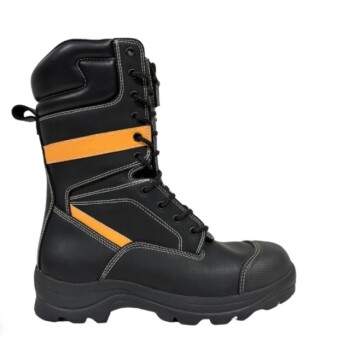
Rugged Design for Work Environments Carhartt boots are built with the durability required for job sites and demanding physical labor. They provide waterproof protection along with the safety and support features needed for a work environment.
Specialized and Lighter Alternatives Other options like Viking Dryboots or Toggi country boots bridge the gap, offering waterproof performance in styles that may be suited for specific equestrian or country pursuits.
Understanding the Trade-offs
Choosing the right boot requires acknowledging the inherent compromises in each design. What makes a boot excellent for one task makes it unsuitable for another.
Insulation vs. Breathability
This is the most critical trade-off. The neoprene lining in a Muckboot is fantastic for keeping your feet warm while standing in a cold, wet field. However, on a strenuous hike, that same insulation will trap sweat, leading to damp, uncomfortable feet. A Gore-Tex boot is the opposite; it excels during activity but offers less passive insulation.
Fit, Comfort, and Support
Wellies offer a looser, less precise fit. This makes them easy to slip on and off but provides minimal ankle support, increasing the risk of a twisted ankle on rough ground. Hiking boots are designed to lock your heel in place and support your ankle, which is essential for stability and long-distance comfort.
Durability and Long-Term Value
A premium wellie from Aigle or Seeland uses high-quality natural rubber and robust sole construction, offering years of service. Cheaper alternatives may crack or wear out much faster. Similarly, a high-end hiking boot justifies its cost with advanced materials and construction that withstand abrasion and repeated flexing.
Making the Right Choice for Your Activity
Your decision should be driven by your most common use case. Analyze what you will be doing most often while wearing the boots.
- If your primary focus is daily dog walking, yard work, or standing in wet conditions: An insulated, neoprene-lined wellie like a Muckboot or Aigle is your best choice for warmth and convenience.
- If your primary focus is hiking, trekking, or covering varied terrain: A waterproof, breathable hiking boot with ankle support, such as the Salomon Quest 4D GTX, is non-negotiable for comfort and safety.
- If your primary focus is demanding physical labor or farm work: Look to durable, purpose-built boots from brands like Carhartt or specialized wellies with high-traction soles like the Seeland Estate Vibram.
- If your primary focus is budget-friendly, basic protection for occasional use: A standard fleece-lined wellie from a brand like Dunlop will serve its purpose effectively.
Ultimately, choosing the right waterproof footwear means matching the boot's specific design to your real-world needs.
Summary Table:
| Activity | Recommended Type | Top User-Recommended Brands/Models |
|---|---|---|
| Static/Cold/Wet Conditions (e.g., dog walking, yard work) | Insulated Wellies / Rubber Boots | Muckboots Arctic Sport, Aigle, Seeland Estate Vibram |
| Active Hiking/Trekking | Technical Hiking Boots | Salomon Quest 4D 3 GTX (Gore-Tex) |
| Demanding Work/Farm Use | Rugged Work Boots / Specialized Wellies | Carhartt, Gumleaf |
| Budget/Occasional Use | Standard Wellies | Dunlop (fleece-lined) |
Need Reliable, High-Quality Waterproof Footwear for Your Business?
As a large-scale manufacturer, 3515 produces a comprehensive range of durable footwear for distributors, brand owners, and bulk clients. Whether your customers need insulated wellies for casual use, rugged boots for demanding work, or technical hiking footwear, our production capabilities encompass all types of shoes and boots to meet market demand.
Let us help you source the right products. Contact our team today to discuss your specific needs and discover how we can add value to your supply chain.
Visual Guide
Related Products
- Premium Wholesale Waterproof Safety Boots High Performance Protection for Industrial Markets
- Premium Flame-Retardant Waterproof Safety Boots and Shoes
- Durable Waterproof Rain Boots | Custom Manufacturer for Wholesale & Brands
- Premium Waterproof Nubuck Safety Boots for Wholesale
- Heavy-Duty Waterproof Nubuck Safety Boots Safety Shoes for Bulk Supply
People Also Ask
- What weather and chemical protections do premium boots offer? Your Complete Guide to Safety & Performance
- Why are waterproof safety boots recommended for certain work environments? Essential Protection for Wet & Hazardous Jobs
- What are the primary protective functions of industrial safety boots in oil palm plantations? Master Rough Terrain Safety
- Why are oil-resistant and anti-slip properties critical for industrial safety boots? Expert Outsole Engineering Guide
- What are the best types of shoes for different gardening conditions? Find Your Perfect Match.