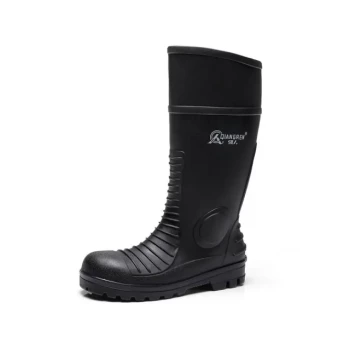
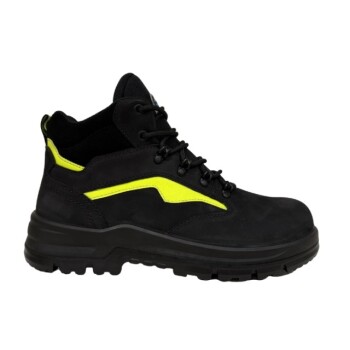
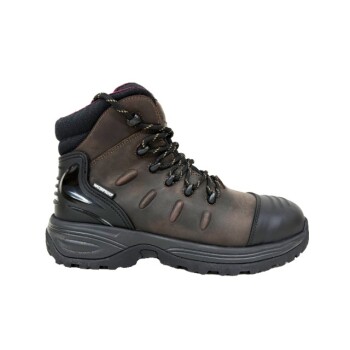
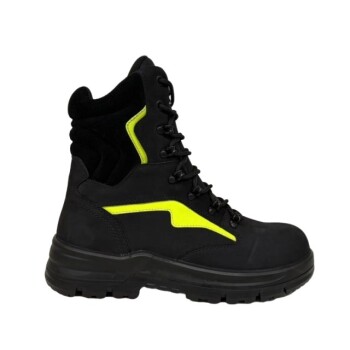
In short, modern PVC work boots have evolved far beyond basic waterproof shells. They now incorporate features like advanced shock-absorbing insoles for all-day comfort, specialized ergonomic designs tailored to specific job demands, and enhanced chemical-resistant coatings for superior protection in hazardous environments.
The core innovation in PVC work boots is the shift from a one-size-fits-all protective shell to a highly specialized tool. Modern designs now focus on ergonomic comfort, task-specific features, and advanced material science to improve both safety and user endurance.
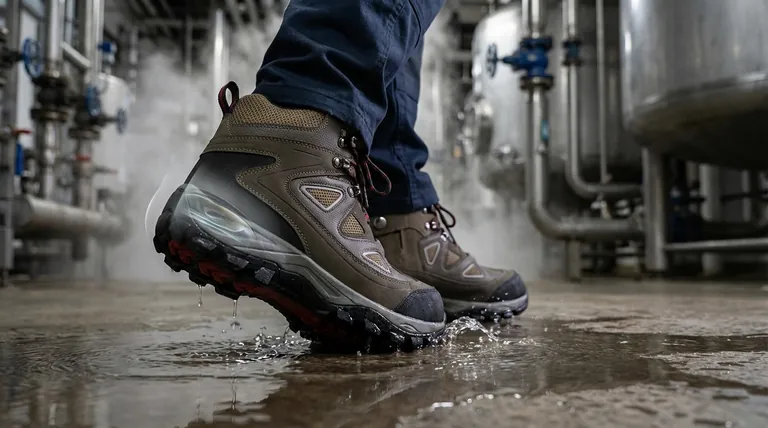
Beyond Waterproofing: The New Standard in PVC Boots
The fundamental value of a PVC boot has always been its exceptional waterproofing and durability. It provides a simple, effective barrier against water, mud, and basic chemicals.
However, innovation has pushed the design focus from simple protection to holistic performance, addressing the real-world needs of professionals who spend all day in their boots.
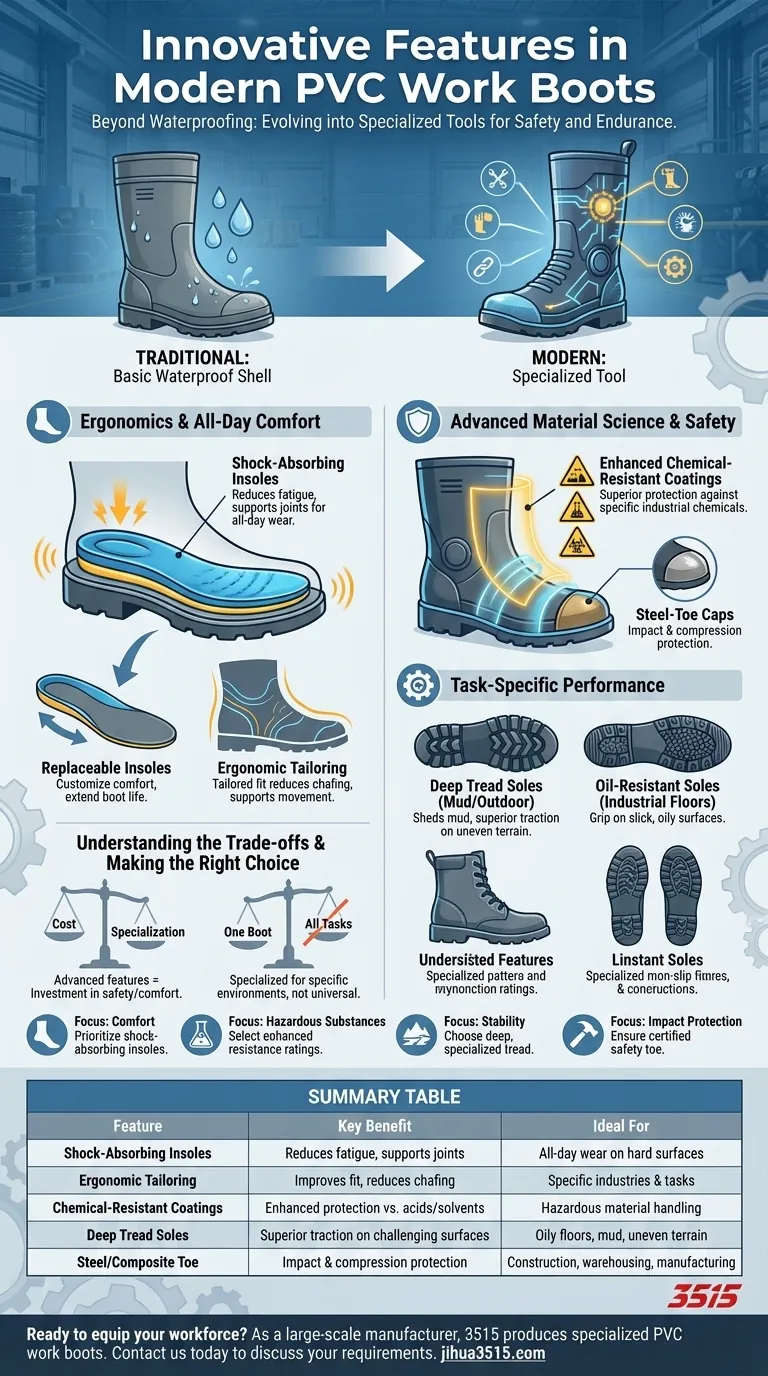
Ergonomics and All-Day Comfort
A primary complaint about traditional PVC boots was fatigue. Modern designs directly address this with features that support the foot and reduce physical strain.
Shock-absorbing insoles are now a key feature, designed to dissipate the force of impact from walking on hard surfaces like concrete. This significantly reduces stress on the feet, knees, and lower back.
Many boots also feature replaceable insoles, allowing users to customize their comfort or replace worn-out components, extending the boot's useful life.
Finally, ergonomic tailoring means the boot's shape is no longer generic. Designs are now available that are specifically contoured for different industries, providing a better fit that reduces chafing and supports natural foot movement.
Advanced Material Science and Safety
The core PVC material itself is being enhanced to meet more demanding safety requirements.
Enhanced chemical-resistance coatings provide a higher level of protection against specific industrial chemicals, acids, and solvents, going far beyond the general resistance of basic PVC.
Of course, foundational safety features remain critical. Steel-toe caps are integrated into many modern designs to offer proven protection against impact and compression hazards.
Task-Specific Performance
Innovation also means tailoring the boot's external features to its intended environment.
Deep tread soles are engineered with specific patterns to provide maximum traction on challenging surfaces. The design for shedding mud in an agricultural setting is different from one designed to grip oily industrial floors.
Understanding the Trade-offs
While innovative features offer significant benefits, it's crucial to understand the compromises involved. True expertise lies in choosing the right tool for the job.
Cost vs. Specialization
Advanced features come at a higher price. A basic, waterproof PVC boot is inexpensive, but a boot with specialized chemical resistance and ergonomic insoles is an investment in safety and comfort.
The Myth of "One Boot Fits All"
A boot highly specialized for one task may be ill-suited for another. A heavily insulated boot is ideal for cold storage but will be uncomfortable in a warm environment. A boot with superior chemical resistance might not have the most aggressive tread for outdoor work.
Making the Right Choice for Your Work Environment
Selecting the correct boot requires a clear understanding of your primary daily challenges.
- If your primary focus is all-day comfort and reduced fatigue: Prioritize boots with high-quality shock-absorbing and replaceable insoles.
- If your primary focus is safety in hazardous substance handling: Look for models with enhanced, specific chemical-resistance ratings and coatings.
- If your primary focus is stability on slippery or uneven terrain: Seek out designs with deep, specialized tread patterns built for that specific surface.
- If your primary focus is protection from impact and compression: Ensure the boot is certified with a steel or composite safety toe.
By understanding these innovations, you can select a boot that functions not just as protection, but as a specialized tool for your trade.
Summary Table:
| Feature | Key Benefit | Ideal For |
|---|---|---|
| Shock-Absorbing Insoles | Reduces fatigue, supports joints | All-day wear on hard surfaces |
| Ergonomic Tailoring | Improves fit, reduces chafing | Specific industries & tasks |
| Chemical-Resistant Coatings | Enhanced protection vs. acids/solvents | Hazardous material handling |
| Deep Tread Soles | Superior traction on challenging surfaces | Oily floors, mud, uneven terrain |
| Steel/Composite Toe | Impact and compression protection | Construction, warehousing, manufacturing |
Ready to equip your workforce with the right tool for the job?
As a large-scale manufacturer, 3515 produces a comprehensive range of specialized PVC work boots for distributors, brand owners, and bulk clients. Our production capabilities allow us to incorporate the latest innovations—from ergonomic comfort to task-specific safety features—ensuring your team has the protection and performance they need.
Contact us today to discuss your requirements and discover how 3515 can be your trusted partner in safety footwear.
Visual Guide
Related Products
- Wholesale Customizable Safety Boots Durable & Protective Footwear Manufacturing
- Wholesale Heavy-Duty Waterproof Steel Toe Work Boots OEM Manufacturer
- Durable Leather Moc Toe Work Boots for Wholesale & Custom Manufacturing
- Durable Leather Work Boots for Wholesale & Custom OEM Manufacturing
- Durable Leather Work Boots for Wholesale & Custom Manufacturing
People Also Ask
- Why are industrial safety boots with steel toes necessary for machine operators? Essential Foot Protection for Safety
- What is the history of steel toe work boots? From German Invention to Modern Safety Standard
- What are the different types of steel toe work boots? Choose the Right Boot for Your Job
- What are the pros and cons of steel toe work boots? A Guide to Maximum Protection vs. Comfort
- What industries are safety toe work boots best suited for? Protect Your Feet in High-Risk Environments