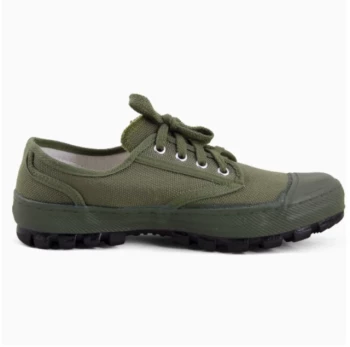
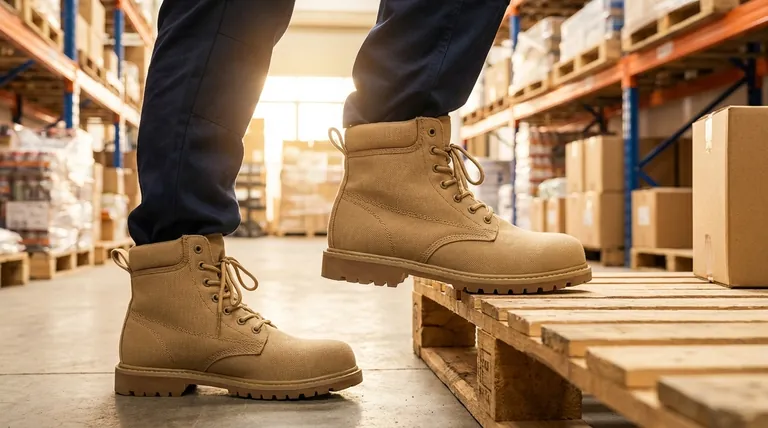
Canvas work boots are specifically designed for light-duty jobs where comfort, breathability, and mobility are more important than heavy-duty protection. They excel in warm climates and for roles that require constant movement, such as in warehousing, delivery services, and light landscaping or gardening.
The decision to use a canvas work boot is a calculated trade-off. You are intentionally choosing superior lightweight comfort and breathability at the direct expense of the high-level protection and durability found in leather or rubber boots.
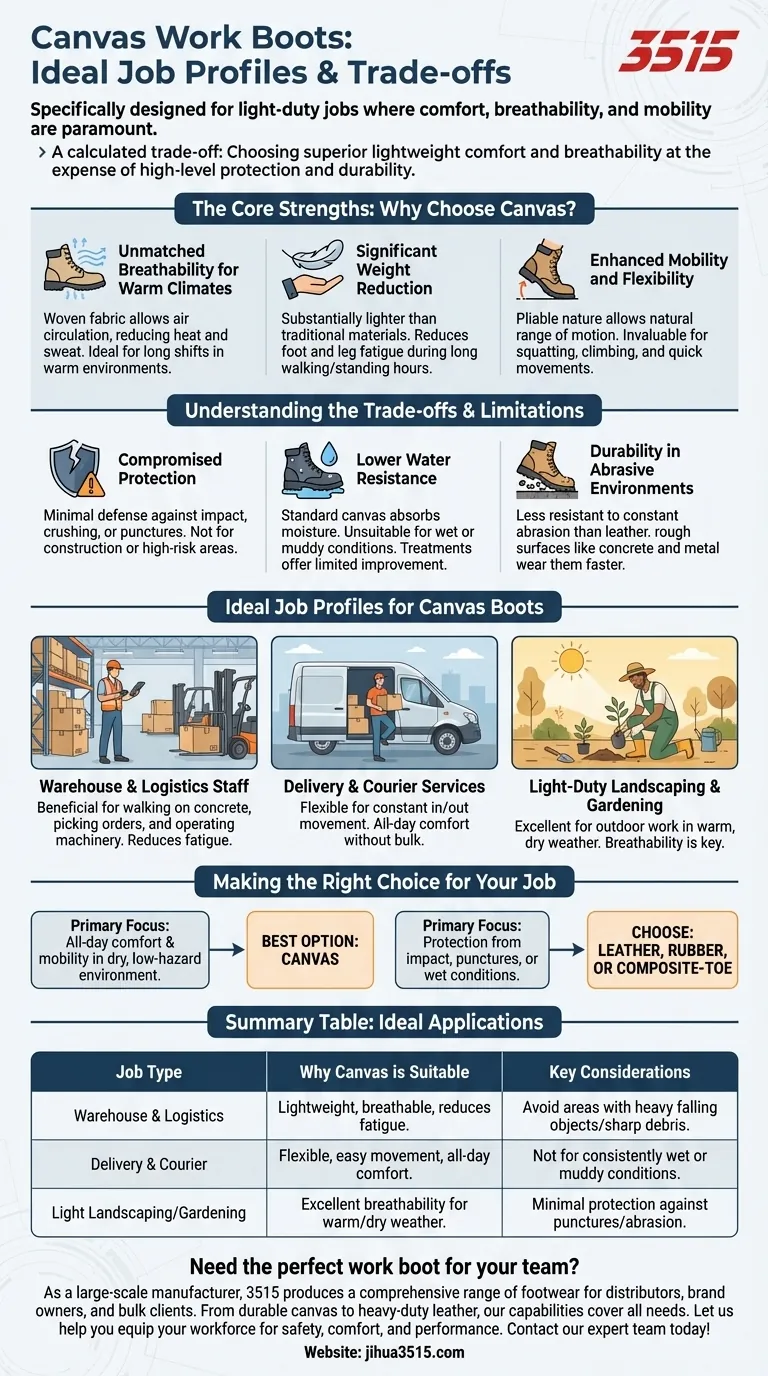
The Core Strengths: Why Choose Canvas?
Canvas offers a unique set of benefits that make it the ideal choice for specific working conditions. Understanding these strengths is key to knowing when to select it over other materials.
Unmatched Breathability for Warm Climates
Canvas is a woven fabric that allows air to circulate freely. This significantly reduces heat and sweat buildup, making it far more comfortable than non-porous materials like leather or rubber during long shifts in warm environments.
Significant Weight Reduction
Canvas is substantially lighter than traditional boot materials. This reduction in weight translates directly to less foot and leg fatigue over the course of a workday, a critical factor for anyone who walks or stands for hours.
Enhanced Mobility and Flexibility
The pliable nature of canvas allows for a more natural range of motion. This flexibility is invaluable for jobs that require frequent squatting, climbing, or quick movements, where a stiff leather boot could feel restrictive.
Understanding the Trade-offs and Limitations
To make an informed decision, you must be aware of the inherent weaknesses of canvas. It is not a universally suitable material, and using it in the wrong environment can be ineffective or unsafe.
Compromised Protection
Canvas offers minimal defense against impact, crushing forces, or punctures. It is not the correct choice for construction sites, heavy manufacturing, or any job with a significant risk of falling objects or sharp ground debris.
Lower Water Resistance
Standard canvas is not waterproof. It will quickly absorb moisture, making it entirely unsuitable for wet or muddy conditions. While some treatments can add water resistance, they cannot match the performance of rubber or properly treated leather.
Durability in Abrasive Environments
While modern manufacturing has improved the tear resistance of canvas, it does not stand up to constant abrasion as well as leather. Jobs that involve frequent contact with rough surfaces like concrete, gravel, or metal will wear through canvas boots much faster.
Ideal Job Profiles for Canvas Boots
Based on its strengths and weaknesses, canvas is the superior choice for a clear set of professional roles.
Warehouse and Logistics Staff
Workers who spend their shifts walking on concrete floors, picking orders, or operating forklifts benefit immensely from the lightweight and breathable properties of canvas, which reduce fatigue and increase comfort.
Delivery and Courier Services
For drivers who are constantly getting in and out of a vehicle and walking short distances, the flexibility and low weight of canvas boots provide all-day comfort without the bulk of a heavier boot.
Light-Duty Landscaping and Gardening
In dry weather, canvas is an excellent option for gardeners and landscapers performing tasks like planting, trimming, and general maintenance. The breathability is a major advantage when working outdoors in the heat.
Making the Right Choice for Your Job
Your work environment and daily tasks are the only factors that matter when selecting your footwear.
- If your primary focus is all-day comfort and mobility in a dry, low-hazard environment: Canvas is likely your best option.
- If your primary focus is protection from impact, punctures, or wet conditions: You must choose a leather, rubber, or composite-toe boot instead.
Choosing the right boot material is a foundational decision for your daily comfort and safety on the job.
Summary Table:
| Job Type | Why Canvas is Suitable | Key Considerations |
|---|---|---|
| Warehouse & Logistics | Lightweight, breathable, reduces fatigue on concrete floors. | Avoid areas with heavy falling objects or sharp debris. |
| Delivery & Courier Services | Flexible, easy for in/out of vehicle movement, all-day comfort. | Not suitable for consistently wet or muddy conditions. |
| Light Landscaping/Gardening | Excellent breathability for outdoor work in warm, dry weather. | Provides minimal protection against punctures or abrasion. |
Need the perfect work boot for your team?
As a large-scale manufacturer, 3515 produces a comprehensive range of footwear for distributors, brand owners, and bulk clients. Whether you need durable canvas boots for your warehouse staff or heavy-duty leather boots for construction crews, our production capabilities encompass all types of shoes and boots.
Let us help you equip your workforce with the right footwear for safety, comfort, and performance.
Contact our expert team today to discuss your specific needs and request a quote!
Visual Guide
Related Products
- Durable Canvas Work Shoes with Rubber Lug Sole | Wholesale Manufacturer
- Factory-Direct Wholesale Canvas Boots with High-Traction Rubber Soles
- Wholesale Durable Camo Canvas Shoes with High-Traction Rubber Soles
- Durable High-Traction Canvas Sneakers Wholesale & Custom Manufacturing
- Wholesale Durable Camouflage Canvas Shoes with High-Traction Cleated Rubber Sole
People Also Ask
- What are the properties of canvas as a shoe material? A Guide to Lightweight Comfort & Style
- Why is the selection of high-strength fabric materials necessary in the production of canvas shoes and training shoes?
- Can canvas shoes be worn in rainy conditions? The Truth About Water Resistance
- What are the functional advantages of choosing rubber soles over leather soles for work boots? Superior Safety & Durability
- What are the characteristics of canvas as a shoe material? A Guide to Lightweight, Breathable Footwear