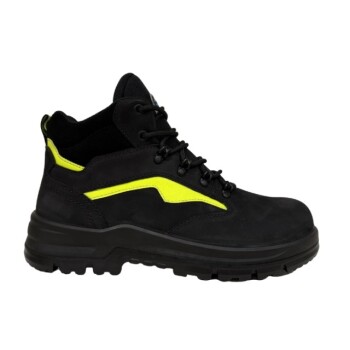
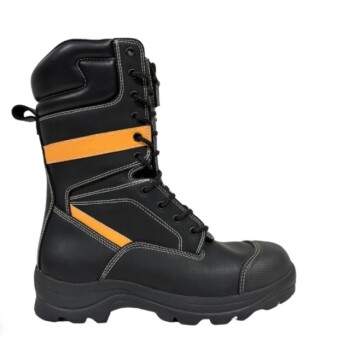
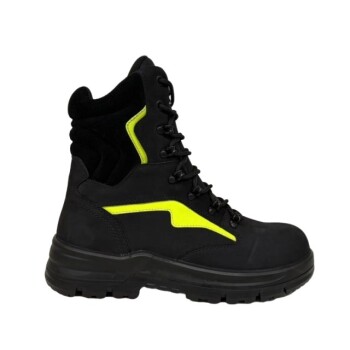
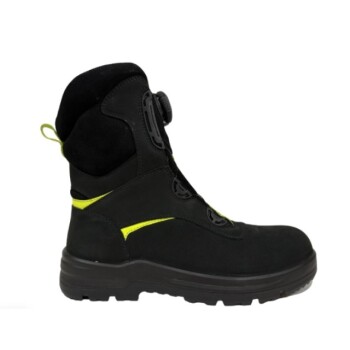
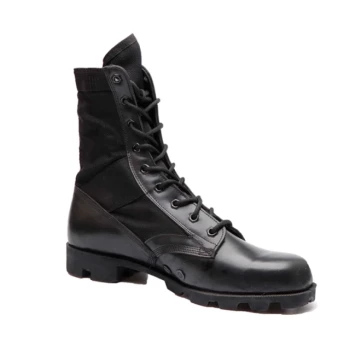
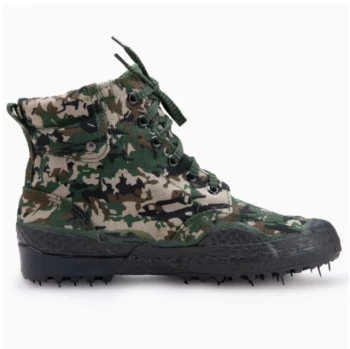
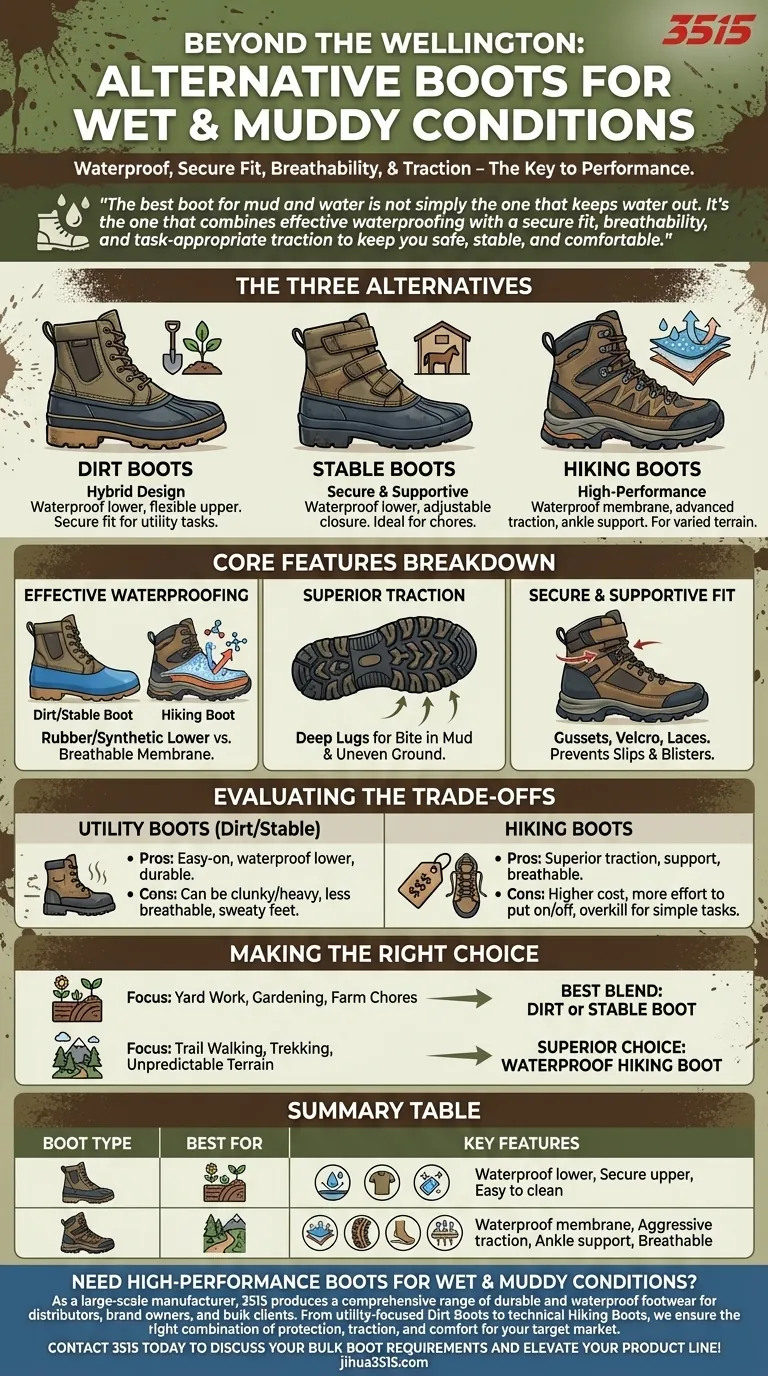
When dealing with wet and muddy conditions, the most common alternatives to traditional wellingtons are Dirt Boots, Stable Boots, and technical Hiking Boots. These options move beyond simple rubber construction to offer a more secure fit and superior performance by integrating waterproof lower sections with weather-resistant uppers or by utilizing advanced waterproof membranes.
The best boot for mud and water is not simply the one that keeps water out. It's the one that combines effective waterproofing with a secure fit, breathability, and task-appropriate traction to keep you safe, stable, and comfortable.
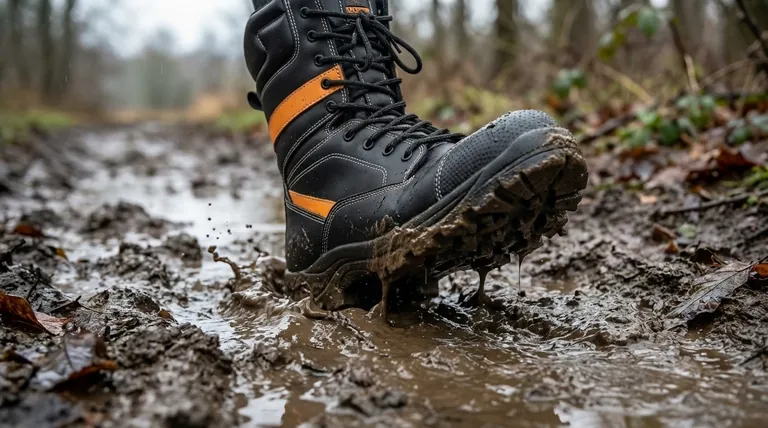
The Core Problem: Waterproofing vs. Performance
A standard rubber boot is excellent at keeping water out, but it often fails in other critical areas. Its loose fit can lead to blisters or cause it to be pulled off in deep mud, and its lack of breathability creates a damp, uncomfortable internal environment from sweat. The right alternative addresses these shortcomings.
The Foundation: Effective Waterproofing
All effective mud boots start with waterproofing. Dirt Boots and Stable Boots typically use a fully waterproof rubber or synthetic material for the entire foot area, ensuring protection when standing in puddles or muck.
Hiking boots, in contrast, often rely on an internal waterproof and breathable membrane. This membrane blocks external water molecules while allowing sweat vapor to escape, providing a more comfortable experience during extended wear.
The Differentiator: Superior Traction
Traction is what prevents slips and falls on slick surfaces. The effectiveness of a boot's grip is determined by its outsole, specifically the depth and pattern of its lugs—the rubber indentations that bite into the ground.
A deep, aggressive lug pattern provides a more secure footing in thick mud and on uneven ground. This is an area where hiking boots almost always excel over simpler boot designs.
The Necessity: A Secure and Supportive Fit
A loose boot is a liability in the mud. Dirt Boots and Stable Boots solve this by combining their waterproof lower section with a more flexible upper that includes closures like gussets, Velcro, or laces.
This design allows you to securely fasten the boot around your ankle and calf. A snug fit prevents your foot from sliding inside the boot and provides the stability needed to walk confidently on challenging terrain.
Evaluating the Alternatives
Each boot type is designed with a specific use case in mind. Understanding their intended purpose helps clarify which is right for you.
Dirt and Stable Boots
These are hybrid designs built for utility. They are ideal for tasks like gardening, farm chores, or any activity where you are frequently moving between wet, muddy ground and drier surfaces.
Their key advantage is the combination of a fully waterproof, easy-to-clean lower section with an upper that provides a more secure fit than a standard pull-on boot.
High-Performance Hiking Boots
A waterproof hiking boot is a technical piece of footwear designed for performance across varied and unpredictable terrain. Their higher tops are excellent at preventing water, mud, and debris from getting inside.
With features like advanced waterproof-breathable membranes and aggressive outsoles, they offer the best possible combination of protection, traction, and all-day comfort for strenuous activity.
Understanding the Trade-offs
There is no single perfect boot for every situation. Choosing the right one means acknowledging the limitations of each design.
The Limits of Utility Boots
While excellent for chores, Dirt Boots and Stable Boots can feel clunky and heavy for long-distance walking. The rubber lower section is also not breathable, which can lead to sweaty feet during high-exertion activities or in warmer weather.
When Hiking Boots Are Overkill
The technical features of a high-end hiking boot come at a higher price. For simple tasks like walking the dog or working in the garden, they may be unnecessary. They also require more effort to put on and take off compared to a slip-on or Velcro-strapped Dirt Boot.
Making the Right Choice for Your Goal
To select the best boot, match its features to your primary activity.
- If your primary focus is on yard work, gardening, or farm chores: A Dirt Boot or Stable Boot offers the best blend of easy-on waterproofing and a secure fit for moderate activity.
- If your primary focus is on trail walking, trekking, or navigating unpredictable terrain: A waterproof hiking boot is the superior choice for its advanced traction, ankle support, and breathability.
Ultimately, selecting the correct boot means matching its specific design strengths to the unique demands of your activity and environment.
Summary Table:
| Boot Type | Best For | Key Features |
|---|---|---|
| Dirt & Stable Boots | Gardening, Farm Chores | Waterproof lower, Secure upper (laces/Velcro), Easy to clean |
| Hiking Boots | Trail Walking, Trekking | Waterproof membrane, Aggressive traction, Ankle support, Breathable |
Need high-performance boots for wet and muddy conditions?
As a large-scale manufacturer, 3515 produces a comprehensive range of durable and waterproof footwear for distributors, brand owners, and bulk clients. Our production capabilities encompass all types of boots, from utility-focused Dirt Boots to technical Hiking Boots, ensuring you get the right combination of protection, traction, and comfort for your target market.
Contact 3515 today to discuss your bulk boot requirements and elevate your product line!
Visual Guide
Related Products
- Premium Wholesale Waterproof Safety Boots High Performance Protection for Industrial Markets
- High Performance Fire-Retardant Waterproof Safety Boots
- Wholesale Premium Waterproof Nubuck Safety Shoes Boots
- Premium Flame-Retardant Waterproof Safety Boots and Shoes
- Durable Waterproof Rain Boots | Custom Manufacturer for Wholesale & Brands
People Also Ask
- What weather and chemical protections do premium boots offer? Your Complete Guide to Safety & Performance
- Why are waterproof safety boots recommended for certain work environments? Essential Protection for Wet & Hazardous Jobs
- What are the primary protective functions of industrial safety boots in oil palm plantations? Master Rough Terrain Safety
- Why are oil-resistant and anti-slip properties critical for industrial safety boots? Expert Outsole Engineering Guide
- What are the best types of shoes for different gardening conditions? Find Your Perfect Match.